The Expanded lobsterclaw Plant Advantage: Maximizing Home and Office Appeal and Wellness
1
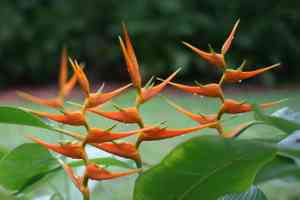
Heliconia rostrata draws in helpful pollinators such as hummingbirds and bees.
2
This plant offers striking aesthetic value through its vibrant, unusual blooms.
3
Heliconia rostrata flourishes in both tropical and subtropical environments.
Why Opt for Expanded Lobsterclaw in Your Garden?
Attracts Pollinators
A key advantage of Expanded Lobsterclaw is its capacity to draw in various pollinators, such as hummingbirds and bees. These creatures are vital for plant reproduction, boosting garden biodiversity. Pollinators are drawn to its vibrant colors and appealing nectar, making it a central element in your garden's ecological system.
Enhances Visual Appeal
The striking look of Expanded Lobsterclaw makes it a prominent feature in any garden. Its brightly colored blooms, from orange to deep red, create a dramatic visual impact. This plant's distinct form and vivid hues can act as a focal point, helping to craft a more dynamic and attractive garden scene. Whether as a centerpiece or border plant, it offers a burst of color sure to impress.
How Does Expanded Lobsterclaw Benefit the Environment?
Promotes Biodiversity
Expanded Lobsterclaw plays a vital role in fostering biodiversity within your garden. By drawing in diverse pollinators, this plant helps cultivate a richer ecosystem. A garden rich in various species is more resilient and better able to resist pests and diseases, thus reducing the need for chemical interventions.
Supports Local Wildlife
Beyond pollinators, Expanded Lobsterclaw also aids local wildlife like birds and insects. The plant offers habitat and a food source, contributing to the well-being of various species. This ecological contribution makes your garden not just a visual delight but also a valuable sanctuary for local fauna.
What Are the Cultivation Needs for Expanded Lobsterclaw?
Sunlight and Watering Needs
Expanded Lobsterclaw flourishes in conditions mirroring its tropical and subtropical origins. It prefers full sun to partial shade and needs consistent watering to maintain its lush foliage and vibrant blooms. Steady moisture is crucial, but be sure to prevent waterlogging, which can harm the plant's roots.
Soil and Fertilization
Well-drained, fertile soil is ideal for growing Expanded Lobsterclaw. Incorporating organic matter like compost can improve soil fertility and structure, ensuring the plant gets the nutrients it needs to thrive. Regular fertilization with a balanced, slow-release product can also support healthy growth and vivid flowers.
How to Integrate Expanded Lobsterclaw into Your Garden Design?
Creating Focal Points
An effective way to incorporate Expanded Lobsterclaw into your garden design is by using it to establish focal points. Its bright flowers and unique structure make it a natural centerpiece in flower beds or along garden edges. Consider planting it in areas where you wish to attract attention and create visual interest.
Companion Planting
Companion planting is another excellent method to maximize Expanded Lobsterclaw's potential. Pair this plant with other tropical or subtropical species to create a cohesive and visually stunning garden theme. Plants like hostas, ferns, and other shade-tolerant flowers can complement its vibrant colors and bold appearance.
What Are the Maintenance Practices for Expanded Lobsterclaw?
Pruning and Deadheading
Maintaining Expanded Lobsterclaw involves regular pruning and deadheading to encourage new growth and extend blooming periods. Remove any spent flowers and damaged leaves to keep the plant looking its best. Pruning can also help manage the plant's size and shape, ensuring it fits well within your garden layout.
Pest and Disease Management
While Expanded Lobsterclaw is quite robust, it can still be susceptible to pests and diseases. Regularly inspect the plant for signs of trouble, such as discolored leaves or stunted growth. Natural pest control methods, like introducing beneficial insects, can help manage potential threats without resorting to chemical treatments.
Where to Acquire and Plant Expanded Lobsterclaw?
Finding Reputable Suppliers
When obtaining Expanded Lobsterclaw for your garden, it's crucial to purchase from reputable nurseries or garden centers. Quality plants free from diseases or pests will have a greater chance of thriving once transplanted into your garden.
Planting Techniques
Plant Expanded Lobsterclaw during the growing season, ideally in spring or early summer, to give it the best start. Ensure the planting hole is twice the width of the root ball and equally deep. Gently place the plant in the hole, backfill with soil, and water thoroughly to establish a strong foundation.



