How to Propagate Expanded lobsterclaw?
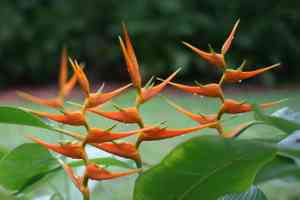
Heliconia bihai flourishes when multiplied through separation, a technique well-suited to its clustered growth pattern. The ideal period for propagation is immediately following the main blooming phase, when the specimen is at its strongest. Gently divide the rhizomes, making sure each segment possesses a minimum of one growth point. Embed these in a potting blend that drains effectively, providing elevated humidity and warm conditions to foster root formation. Consistent irrigation and dappled light will further aid vigorous development during this early stage.
What Is the Best Time To Propagate Expanded Lobsterclaw?
Propagation Type
Division
Propagation Season
Spring,Autumn
What Tools Are Used in Expanded Lobsterclaw Propagation?
Sharp Knife or Pruning Shears
A keen knife or a pair of pruning shears are vital for making clean cuts through the rhizomes of expanded lobsterclaw. These instruments help guarantee precise incisions without harming plant tissues, which is crucial for fostering vigorous new growth. Employing a clean, sharp blade lowers the chance of infection, significantly contributing to the plant's well-being during healing and regrowth.
Spade or Garden Fork
These implements are utilized to excavate around expanded lobsterclaw to gently lift the plant from the earth without causing undue root damage. A spade or fork is especially beneficial for loosening the soil surrounding the plant, which aids in carefully separating the rhizomes for propagation. This tool is essential for minimizing plant stress, thereby improving the likelihood of successful replanting.
Rooting Hormone
Applying a rooting hormone to the freshly cut surfaces of expanded lobsterclaw's rhizomes can significantly enhance root development. This is particularly useful for encouraging quicker establishment and improved root growth, which is vital for the health and vigor of new plants. Rooting hormones are especially advantageous when propagating plants sensitive to transplant shock or slow to root.
Watering Can with a Fine Rose
Gentle irrigation is crucial after dividing and replanting expanded lobsterclaw. A watering can equipped with a fine rose attachment ensures a soft, even distribution of water, minimizing soil displacement and providing the necessary hydration to the plant without overwhelming it. This tool helps maintain optimal moisture levels around the newly planted divisions, facilitating better root development and plant stabilization.
How to Propagate Expanded Lobsterclaw?
Propagation Type
Easy
How to Care for Your Newly Propagated Expanded Lobsterclaw?
How to Care for Your Newly Propagated Expanded Lobsterclaw?
Following propagation, it's essential to maintain consistent moisture levels without saturating the soil around expanded lobsterclaw. Position the plant where it can receive partial to full sunlight, mimicking its natural tropical environment. Regular feeding with a balanced, slow-release fertilizer during the growing season will support robust growth. Monitor for pests and diseases, especially during warm, humid periods. Regularly check soil and drainage conditions to ensure they remain optimal for expanded lobsterclaw's health.
Common Mistakes to Avoid When Propagating Expanded Lobsterclaw
Insufficient humidity
When propagating expanded lobsterclaw, a lack of adequate humidity is a frequent error. Expanded lobsterclaw originates from tropical regions, where humidity levels are naturally elevated. Insufficient humidity during propagation can lead to poor root development and heighten the risk of plant stress, potentially causing wilting or death.
Overwatering
While expanded lobsterclaw requires a moist environment, excessive watering can be harmful. This mistake often results in waterlogged soil, promoting root rot and fungal infections, which hinder healthy root growth and overall plant vitality.
Inadequate light
Another common error is providing either too much or too little light. Expanded lobsterclaw thrives in bright, indirect light, and incorrect lighting can impede its growth. Too little light stunts development, while too much direct sunlight can scorch the leaves and damage the plant.
Using inappropriate soil mix
Choosing the wrong soil mix when propagating expanded lobsterclaw can severely impact its root health. Expanded lobsterclaw needs well-draining soil rich in organic matter. Using a heavy, clay-based soil or a very sandy one can lead to poor water retention or drainage, respectively.
Tips For Propagating Expanded Lobsterclaw
Maintain high humidity
To successfully propagate expanded lobsterclaw, maintain a high humidity environment. This can be achieved by using a humidity tray or enclosing the plant in a clear plastic bag to create a mini-greenhouse effect, which will help mimic expanded lobsterclaw's natural tropical habitat.
Monitor watering
Ensure the soil remains consistently moist but not waterlogged. Using a pot with good drainage and checking the soil moisture regularly can prevent the issues associated with overwatering.
Optimal lighting conditions
Provide expanded lobsterclaw with bright, indirect sunlight. If natural light conditions are insufficient, consider using grow lights to supplement, ensuring that they're positioned in a way to simulate indirect light.
Suitable soil mix
Use a well-draining, rich organic soil mix for expanded lobsterclaw. Incorporating materials like perlite, vermiculite, and organic compost can enhance soil texture and nutrient content, promoting robust root growth and overall plant health.



