How to Transplant Platanillo?
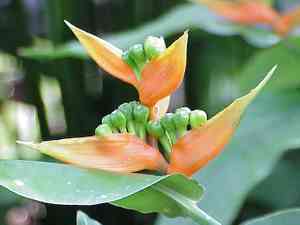
For platanillo, the ideal period for relocation is during the peak of early to mid-spring, as this timeframe encourages vigorous development. Choose locations that receive filtered sunlight and possess fertile, adequately draining soil. Careful handling assists in root integration, boosting overall health.
Essential Preparations Before Relocating Platanillo
Optimal Period for Relocating Platanillo?
For platanillo, the moment winter's chill recedes and new growth emerges offers an ideal window for relocation. Moving these perennials during this active growth phase ensures they establish themselves robustly as the season begins. This timing capitalizes on moderate temperatures and increasing daylight, creating an environment perfect for root development and subsequent vigorous growth. Transplanting now sets platanillo up for a full season of strong health, leading to a striking display of its unique foliage and blooms.
Required Spacing Between Platanillo Plants?
Greetings! Before you move your platanillo, ensure each plant has ample room to thrive. Aim to position them approximately 2-3 feet (60-90 cm) apart. This spacing will provide sufficient room for growth and prevent competition for vital nutrients.
Best Soil Blend for Platanillo Relocation?
For your platanillo, the soil acts as a comfortable foundation. Select a rich, well-draining loamy soil, and before planting, incorporate high-quality organic compost as a foundational fertilizer. This will foster a nourishing environment for your plants to flourish from the outset!
Where to Position Your Platanillo?
Your platanillo enjoys sunlight but also benefits from some shade. Choose a spot that provides dappled sunlight or partial shade, especially in warmer climates. This way, your platanillo can absorb the sun's rays without experiencing excessive exposure!
Equipment Needed Before Relocating Platanillo?
Gardening Gloves
To safeguard your hands while handling soil and plants.
Shovel or Spade
For excavating and lifting the platanillo.
Watering Can or Hose
To hydrate the plant before and after its removal.
Wheelbarrow
To move the platanillo from its original spot to the new location.
Pruning Shears
To trim any damaged roots or leaves during the process.
Measuring Tape
To verify the new hole's dimensions are suitable for the plant's root ball.
How to Extract Platanillo from the Ground?
How to Extract Platanillo from the Ground?
From Ground: Start by watering the platanillo to moisten the soil, which simplifies extraction and reduces plant stress. Dig a wide circle around the plant, then carefully slide a shovel or spade beneath the root ball, gently prying to lift the plant without harming its root system.From Pot: First, water the platanillo to help the roots slide out more easily. Turn the pot on its side and gently tap the edges to loosen the soil. Grasp the plant's base carefully and pull it out while supporting the root ball with your other hand.From Seedling Tray: Ensure the seedlings are well-hydrated before beginning. Use a planting tool or spoon to carefully lift each seedling from its compartment, taking care not to damage the delicate roots and stem.
Step-by-Step Guide for Relocating Platanillo
Preparation
Ensure the new planting site is prepared before removing the platanillo from its current spot. The hole should be excavated to twice the width of the platanillo's root ball and of equal depth.
Removal
Follow the appropriate removal procedure for the platanillo's current location (ground, pot, or seedling tray). Proceed cautiously to keep the root ball and surrounding soil intact.
Transport
Using a wheelbarrow, move the platanillo immediately to the new hole to prevent the roots from drying out. If the distance is short, you can carry the plant by hand.
Planting
Position the platanillo in the center of the hole so the top of the root ball is level with the surrounding ground. Gently backfill around the root ball with soil, ensuring not to bury the plant deeper than its original growing depth.
Firming Soil
Lightly press down on the soil around the platanillo to secure it and eliminate any air pockets.
Watering
After planting, water the platanillo generously to settle the soil around the roots and help minimize transplant shock.
Post-Relocation Care for Platanillo
Root Establishment
Support the platanillo's root development by watering deeply and consistently, especially during its initial growing season after relocation.
Pruning
Trim any leaves or stems that were damaged during the relocation to encourage new growth and reduce stress on the platanillo.
Mulching
Apply mulch around the base of the platanillo to retain moisture and regulate soil temperature.
Monitoring
Observe the platanillo for signs of stress, such as wilting or discolored foliage, and address any issues promptly.
Resolving Common Issues with Platanillo Relocation.
When is the best time to move platanillo?
The ideal time to relocate platanillo is during mild weather, typically early to mid-spring, allowing ample time for establishment before summer heat.
How far apart should platanillo be spaced when relocating?
For optimal development, space platanillo approximately 2-3 feet (60-90 cm) apart, giving them room to spread and thrive.
Why are my platanillo leaves yellowing after relocation?
Yellowing leaves can indicate transplant shock. Ensure platanillo receives adequate water and isn't in waterlogged soil.
What soil type is best for relocating platanillo?
Utilize a well-draining, fertile soil rich in organic matter to provide platanillo with necessary nutrients and hydration without waterlogging.
How do I know if my platanillo has enough water after relocation?
Check soil moisture by feeling about 1-2 inches (2.5-5 cm) deep. If dry, it's time to water. Avoid overwatering to prevent root rot.
Can I relocate platanillo on a hot, sunny day?
Relocating platanillo on a cooler, overcast day is preferable to minimize stress and prevent rapid water evaporation.
How deep should I plant platanillo when relocating?
Dig a hole as deep as the root ball and twice as wide, allowing roots to spread easily without constraint.
Should I fertilize platanillo immediately after relocation?
Wait a few weeks before fertilizing to avoid root burn, then use a balanced, slow-release fertilizer to promote healthy growth.
My platanillo is wilting post-relocation; what should I do?
Wilting likely signals stress. Ensure platanillo has proper shade, water, and check for root damage or pests.
Can I relocate platanillo near other plants?
Yes, but maintain proper spacing and ensure compatible light and moisture needs for successful growth.



