How to Propagate Platanillo?
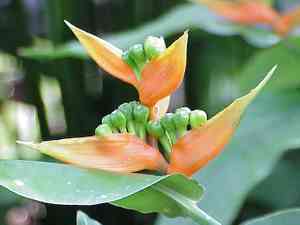
Effective propagation of platanillo usually entails separation, a dependable and straightforward technique for this lively tropical specimen. Cultivators ought to gently detach rhizomes, exercising caution to avoid harming the root structures. After separation, each segment should be re-established in porous soil, guaranteeing sufficient hydration and warmth to encourage root formation and plant vitality. This strategy facilitates the preservation of the plant's distinct attributes and encourages more resilient, flourishing growth.
Optimal Timing for Platanillo Propagation
Propagation Method
Separation
Propagation Period
Spring,Autumn
Tools for Platanillo Propagation
Sharp knife or pruning shears
These are vital for making clean cuts on rhizomes or shoots during platanillo division. A sharp tool minimizes plant tissue damage, which is key for preventing infections and encouraging faster recovery and growth. Stainless steel blades are recommended for durability and rust resistance.
Sterilizing agent (e.g., isopropyl alcohol or bleach solution)
Used to sanitize cutting tools before and after each use. This practice prevents disease spread among plant parts during propagation. Keeping tools clean is especially important for platanillo's health, as they are prone to fungal infections.
Garden spade or fork
Useful for carefully lifting the platanillo plant from the ground or container with minimal root disturbance. A spade or fork with a wide, flat blade is ideal for getting under the plant and gently extracting it, particularly when rhizomes are widely spread.
Rooting hormone (optional)
Though not always required, applying rooting hormone to the cut surfaces of platanillo's rhizomes can boost root development in new divisions. This is especially helpful for promoting vigorous growth in less-than-ideal propagation conditions or ensuring success in younger plants.
Watering can with a gentle shower head
Necessary for watering newly planted platanillo divisions with a soft, diffused flow that won't disturb the soil or the young plants. Proper watering is crucial for re-establishing the plant's root system after division and during early growth.
How to Propagate Platanillo?
Propagation Type
Simple
Caring for Your Newly Propagated Platanillo
Caring for Your Newly Propagated Platanillo
Maintain elevated humidity by regularly misting the plants, especially in dry conditions. Position platanillo in a spot with bright, indirect illumination. Lightly fertilize with a balanced, slow-release fertilizer every few months to support development. Monitor for pests and diseases, treating as needed to keep platanillo healthy.
Common Errors to Avoid When Propagating Platanillo
Overwatering
Providing too much water can lead to root rot and fungal growth, as platanillo's roots need well-drained conditions to thrive. Excessive moisture suffocates the roots, reducing the plant's ability to absorb nutrients.
Using overly compact soil
Employing a dense soil mix can hinder water drainage and restrict root expansion. For platanillo, a loose, well-aerated medium is vital to allow roots to spread and access essential nutrients.
Incorrect rhizome section size
When propagating platanillo by dividing rhizomes, using sections that are too small may lack sufficient energy reserves and growth points, resulting in poor or failed development.
Tips For Propagating Platanillo
Use a sharp and sterilized cutting tool
When dividing platanillo's rhizomes for propagation, ensuring that cutting tools are sharp and sterilized helps prevent disease transmission and promotes clean cuts that heal quicker, fostering better growth.
Provide bright indirect light
While platanillo appreciates light, direct sunlight can be too intense and lead to leaf scorch. Optimal growth is achieved under bright, indirect light where the plant can photosynthesize efficiently without the risk of heat stress.
Maintain high humidity
Mimicking platanillo's native humid environment supports healthy leaf and root development. Using a humidity tray or a misting routine can help in maintaining an ideal microclimate during the establishment phase.



