The Platanillo Plant Advantage: Maximizing Home and Office Appeal and Wellness
1
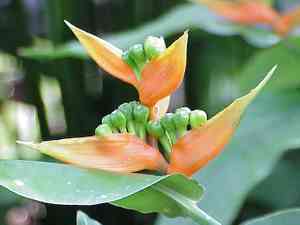
The Platanillo plant adds beauty to gardens with its bright, tropical blooms.
2
It contributes to local ecosystems by drawing in birds and various insects.
3
Platanillo is quite simple to care for, perfect for those new to gardening.
Why Should You Consider Growing Platanillo?
Aesthetic Appeal
A primary reason to cultivate Platanillo is its undeniable visual charm. The plant's vibrant blooms introduce a burst of tropical color to any environment, instantly enhancing your garden's beauty. Whether designing a tropical landscape or simply seeking a colorful accent, Platanillo is an excellent choice.
Ecological Benefits
Beyond its visual charm, Platanillo plays a crucial role in supporting local fauna. Its flowers draw in various pollinators, including bees, butterflies, and hummingbirds, contributing to your garden's overall ecosystem health. By planting Platanillo, you not only beautify your garden but also foster biodiversity.
Low Maintenance
Platanillo is relatively easy to care for, making it suitable for both new and experienced gardeners. The plant thrives in typical garden soil and requires minimal upkeep. Once established, it becomes quite drought-resistant, offering a practical option for those desiring a low-maintenance yet vibrant garden.
Where Can You Plant Platanillo for Maximum Impact?
Ideal Locations
Platanillo flourishes best in areas receiving partial to full sun exposure. It's perfect for planting along borders, in garden beds, or even in large pots. When choosing a spot for Platanillo, ensure it has good drainage to prevent waterlogging, which can impede its growth.
Companion Planting
To maximize Platanillo's effect in your garden, consider pairing it with other plants. Combine it with other tropical or perennial species that share similar light and water needs. This not only boosts your garden's visual appeal but also promotes a diverse and healthy ecosystem.
What are the Best Practices for Cultivating Platanillo?
Soil and Watering Needs
While Platanillo adapts to various soil types, it prefers well-draining soil rich in organic matter. Watering should be consistent, especially during the initial planting phase. Once established, Platanillo becomes more drought-tolerant, but regular watering will keep it looking its best, particularly during dry periods.
Fertilization and Pruning
A balanced, slow-release fertilizer can be applied during the growing season to encourage healthy development. Pruning is generally not necessary, but removing faded flowers and any dead or damaged leaves will help maintain the plant's appearance and overall health.
Pest and Disease Management
Platanillo is relatively resistant to pests and diseases, but it's always wise to inspect the plant for any signs of issues. Address any problems promptly with organic or eco-friendly solutions to keep your garden safe and flourishing.
Can Platanillo Enhance Your Indoor Space?
Indoor Aesthetics
Beyond its outdoor uses, Platanillo can also serve as a stunning indoor plant. Its striking flowers and lush foliage make it an excellent choice for brightening interior spaces. Place it in a well-lit area and enjoy the tropical atmosphere it brings to your home.
Maintenance Tips for Indoor Growth
Growing Platanillo indoors requires slightly different care. Ensure the plant receives ample indirect sunlight and maintain a consistent watering schedule. Indoor Platanillo may also benefit from occasional misting to replicate the humid environment it naturally thrives in.
How Does Platanillo Support Wildlife?
Attracting Pollinators
Platanillo's vibrant flowers are a magnet for pollinators, making it a valuable addition to any wildlife-friendly garden. Bees, butterflies, and hummingbirds are particularly drawn to this plant, assisting in your garden's pollination.
Providing Shelter
In addition to attracting pollinators, Platanillo also offers refuge for various small animals and insects. Its dense foliage provides a hiding place and protection, allowing these creatures to thrive in your garden.
Integrating with Native Plants
For an even greater ecological impact, consider combining Platanillo with other native plants that support local wildlife. This combination will create a more resilient and self-sustaining ecosystem in your garden.



