How to Prune Platanillo?
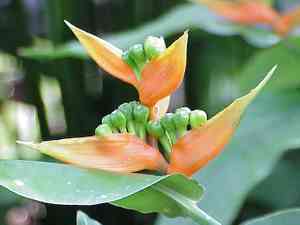
Platanillo enhances tropical garden aesthetics with its striking blossoms and abundant leaves. To ensure peak vitality, cut back any impaired or aged stalks once blooming concludes. Eliminate faded flower stems and thin out dense clusters to foster proper airflow. The ideal period for this is in early spring or late winter, prior to the emergence of new shoots. Such targeted trimming aids platanillo by stimulating robust development, intensifying its vivid appearance, and averting ailments. Always employ disinfected implements to preclude contamination.
Advantages of Trimming Platanillo
Advantages of Trimming Platanillo
Trimming platanillo encourages robust development by reallocating energy to emerging shoots, thereby fostering larger blossoms. Strategic cutting maintains platanillo's desirable shape, enhancing both garden aesthetics and plant vitality.
Optimal Period for Pruning Platanillo
Optimal Period for Pruning Platanillo
Pruning or trimming platanillo in late winter, prior to spring growth, allows for the removal of any dead or damaged foliage without disrupting the plant's growth cycle. This timing aligns with the plant's dormant phase, reducing stress and minimizing the risk of pest infestation or disease transmission through open wounds. Furthermore, pruning before the early spring growth spurt facilitates better resource distribution, enabling platanillo to channel energy into producing new, healthy growth. Removing old stems also encourages platanillo to develop vibrant blooms during its flowering season, which can be negatively impacted if pruning occurs too late.
Essential Tools for Pruning Platanillo
Hand Pruners
Perfect for making clean cuts on smaller stems and branches, ensuring minimal harm to platanillo's overall health.
Lopping Shears
Offer leverage for cutting through platanillo's thicker stems that hand pruners cannot manage, thanks to their extended handles.
Pruning Saw
Required for severing mature stalks and larger branches safely and efficiently without causing undue stress to platanillo.
Gardening Gloves
Shield hands from sharp edges and potential skin irritants while working on platanillo.
Cleaning Solution
Utilize to sanitize tools before and after pruning platanillo to prevent disease spread.
How to Prune Platanillo
Clean Tools
Sanitize pruning shears or scissors before beginning to prevent disease transmission to platanillo.
Cut Diseased Leaves
Identify and carefully remove any diseased leaves from platanillo by cutting them at the base where the leaf meets the stem, avoiding damage to the main stalk.
Remove Withered Leaves
Cut back withered or brown leaves to the base in a similar fashion, allowing platanillo to direct energy towards new growth.
Dispose
Discard all removed foliage far from the plant to prevent any potential disease re-infection.
Cleanup
Clear the area around platanillo of any remaining debris to maintain good air circulation and reduce the risk of fungal diseases.
Common Pruning Errors with Platanillo
Over-Pruning
Removing excessive foliage from platanillo at once can stress the plant, weakening it and potentially leading to disease or death.
Improper Cut Location
Cutting platanillo too far from the node can result in unsightly stubs that won't heal properly. Conversely, cutting too close to the node can damage the plant's growth point.
Using Dull Tools
Pruning platanillo with dull tools can cause jagged cuts that are more susceptible to infections.
Ignoring Dead Material
Failing to remove dead or dying leaves and stems from platanillo can lead to a buildup of pests and diseases.
Pruning Healthy Growth
Mistakenly pruning new, healthy growth on platanillo can reduce the plant's vigor and flowering potential.
General Pruning Advice for Platanillo
Sanitation
Always use clean, sharp pruning tools when cutting back platanillo to prevent the spread of disease.
Selective Pruning
Prune selectively, focusing on removing dead or dying foliage and stems to improve the plant's health and appearance.
Post-Flowering Cuts
After platanillo has finished flowering, cut the flowered stems back to the base to encourage new growth and future blooms.
Thinning
Thin out dense areas of platanillo to increase air circulation, which helps prevent fungal infections.
Supportive Cutting
Make cuts at a 45-degree angle, just above a leaf node, to promote healthy regrowth in platanillo and to prevent water accumulation at the cut site, which could cause rot.



