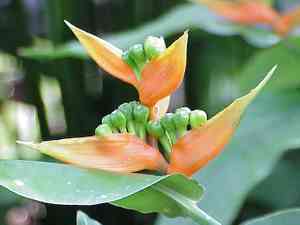
Platanillo (Heliconia collinsiana)
Also known as: Collins Heliconia, Santa Marta Heliconia
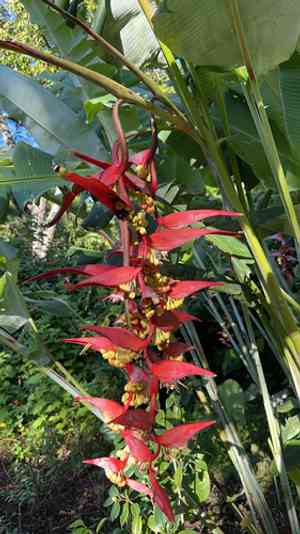
The Platanillo plant, known for its vivid bracts in shades like red and orange, uses these colorful structures to draw in pollinators, particularly hummingbirds. These bracts also offer protection to the plant's small, hidden flowers. Found in humid, tropical regions, Platanillo features large leaves similar to those of banana plants, helping it thrive in dense jungle environments.
In This Article
Attributes of Platanillo
Lifespan
Perennial
Plant Type
Herb
Plant Height
6 to 10 feet
Spread
3 to 5 feet
Leaf Color
Dark green
Flower Size
2 to 3 inches (for each individual flower)
Flower Color
Red, orange
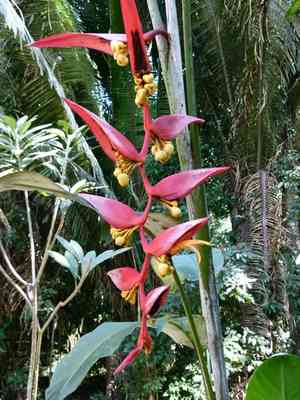
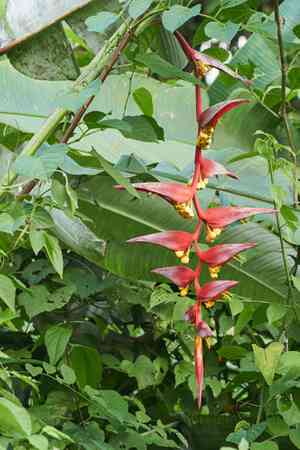
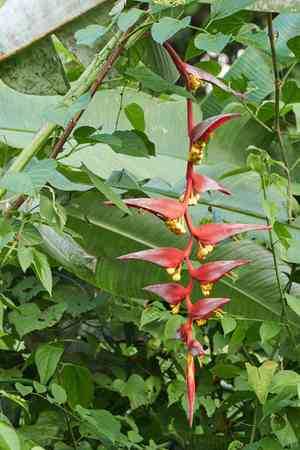
Images of Platanillo
Quickly Identify Platanillo
1
To identify Heliconia collinsiana, look for its tall and broad leaves with a banana-like appearance, and vibrant bracts that hold small, tubular flowers. The plant typically grows in clumps and can reach considerable heights.
Scientific Classification of Platanillo
Phylum
Vascular plants
Class
Monocotyledons
Order
Zingiberales
Family
Heliconia
Genus
Lobster-claws
Species
Platanillo
Planting and Growing of Platanillo
Care Difficulty
Hard
Watering Schedule
Every 8 days
Sunlight Requirements
Full sun
Sunshine Duration
6-10 hours
Ideal Temperature
68-82℉
Soil Type
Potting Mix, Peat Mix
Soil pH
6.5-7.5
Fertilizer Type
Balanced
Pruning Season
Spring, Summer
Pruning Area
Branches, Leaves
Pruning Frequency
2 times a year
Repotting Season
Spring
Pot Type
Plastic, Ceramic
 How to Water Platanillo?
Heliconia collinsiana prefers moist but not waterlogged soil. Watering should be deep and thorough, ensuring the top 2 inches of soil are moist while allowing excess water to drain away fully. This will help to mimic its natural tropical environment.
What are the symptoms of an underwatered Platanillo?
›
What should I do if my Platanillo is not getting enough water?
›
What are the symptoms of an overwatered Platanillo?
›
How to save an overwatered Platanillo?
›
 What Are the Sunlight Requirements for Platanillo?
Heliconia collinsiana prefers a light range of 6 to 8 hours of sun per day. Adequate sunlight ensures the plant performs photosynthesis effectively, producing sufficient energy for growth and blooming, leading to a lush, vivid display of its characteristic flowers and foliage.
How much sunlight does Heliconia collinsiana ideally need?
›
What solutions are available for providing ideal light?
›
What are the benefits of ideal lighting for this plant?
›
 What Is the Ideal Temperature Range for Platanillo?
Heliconia collinsiana thrives within a temperature range of 68°F to 82°F. This range provides the warmth and humidity these tropical plants require to flourish. They need consistent warmth due to their tropical origin. Maintaining this temperature range ensures optimal growth, vibrant foliage, and healthy blooms.
 What Soil is Best for Platanillo?
Heliconia collinsiana thrives in well-drained soil that prevents water logging. Excess moisture can lead to root rot, while well-drained conditions promote healthy root development and vibrant growth. Rich, fertile soil ensures the Heliconia receives ample nutrients. This leads to lush foliage and splendid flowering, enhancing the plant's ornamental appeal in your garden. A soil mix that retains moisture without becoming waterlogged is ideal. Consistent moisture supports continuous growth and flowering, especially in warmer climates.
 How to Fertilize Platanillo?
For Heliconia collinsiana, it's crucial to strike the right balance in fertilization. Generally, a moderate amount is recommended, such as using a balanced 15-15-15 NPK formula. For liquid fertilizers, around 1 tablespoon per gallon of water is adequate. Adjust the amount according to the plant's response and growth phase.
 How to Prune Platanillo?
Begin by assembling your pruning tools: sharp pruning shears, gloves, and a sterilizing solution. Ensuring your tools are clean and sharp reduces the risk of disease transmission and ensures clean cuts that heal more quickly. Start by removing any dead or yellowing leaves at the base of the plant. Trim back any stems that look weak or are crossing over others, as these can hinder the growth of healthier parts. Make cuts at a 45-degree angle to prevent water accumulation on the cut surface.
More About Pruning Techniques→
 How to Propagate Platanillo plant?
1
Ensure the soil is well-drained and rich in organic matter, as heliconias thrive in such conditions. Mix in compost to increase the soil's fertility, which can support healthy growth for newly propagated plants.
2
Carefully dig around the base of the plant to expose the rhizomes. Using a clean, sharp knife, cut healthy sections with at least a couple of growth nodes. These will be replanted to encourage new growth.
3
When propagating from seeds, soak them overnight to promote faster germination. Plant the seeds at a depth of about twice the seed's diameter in a tray filled with a mix of sand and potting soil.
 How to Repot Platanillo plant?
1
Heliconia collinsiana needs repotting when its roots begin to emerge from the drainage holes. Another indicator is if the plant's growth becomes stunted, signaling that it's likely outgrown its current container. Spring and summer are ideal times to repot as the plant begins its active growth period, allowing it to adjust more easily to its new environment.
2
Select a pot that is one size larger than the current one, ensuring it has adequate drainage holes. Heliconia collinsiana thrives when it has space to grow without being waterlogged. A slightly larger pot prevents root rot and supports robust plant growth, as it provides room for the roots to expand but still limits excess moisture retention.
3
A well-draining potting mix is essential for Heliconia collinsiana to prevent waterlogged roots. The ideal mix contains peat moss, pine bark, and perlite or sand. This combination ensures sufficient drainage, aeration, and retains enough moisture for the tropical plant’s needs, which mimics its native environment conditions.
Learn More About Platanillo Diseases
Anthracnose
Bacterial Leaf Spot
Bacterial Soft Rot
Bacterial Wilt
Crown Gall
Cyst Nematode
Damping-off
Downy Mildew
Drought Stress
Fusarium Wilt
Gray Mold
Leaf Spot
Mosaic
Nutrient Deficiency
Nutrient Toxicity
Powdery Mildew
Root Rot
Root-knot Nematode
Rusts
Sooty Mold
Spider Mites
Temperature Stress
Thrips Damage
White Mold



