How to Transplant Texas false agave?
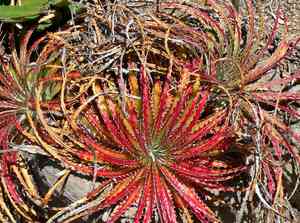
Transplanting Hesperaloe parviflora is most successful when carried out from mid-spring through early summer, providing moderate temperatures conducive to root development. Select sunny, adequately draining locations and carefully manage the root system to prevent shock.
What Preparations are Needed Before Transplanting Texas False Agave?
What is the Ideal Time for Transplanting Texas False Agave?
Initiate texas false agave's relocation shortly after winter's cold recedes, during the peak of the rejuvenation period. This timing promotes root establishment under optimal growth conditions. By moving texas false agave as nature reawakens, you provide it with the gentle warmth and increasing daylight it desires, enhancing its vitality and resilience. This favorable environment stimulates robust root development well before summer's heat, ensuring a strong beginning for texas false agave.
How Much Space Should You Leave Between Texas False Agave Plants?
When rehousing your texas false agave, it's best to allow ample room for growth. Aim for a separation of approximately 18-24 inches (45-60 cm) between each plant. This guarantees that every texas false agave has sufficient area to develop without competing for nutrients and sunlight.
What is the Best Soil Mix for Texas False Agave Transplanting?
Before settling your texas false agave into its new spot, soil preparation is crucial. Select a well-draining soil mixture, as texas false agave thrives in conditions that mimic its natural environment. Enhance your planting site with a cactus or succulent potting mix and a slow-release, low-nitrogen fertilizer to encourage a vigorous start.
Where Should You Relocate Your Texas False Agave?
Find a sunny location for your texas false agave where it can absorb at least 6 hours of sunlight daily. Full sun exposure is this plant's ideal condition, so an area with direct light will help your texas false agave flourish. Ensure it's a spot where the bright, afternoon rays can reach its leaves for optimal development.
What Equipments Should You Prepare Before Transplantation Texas False Agave?
Spade or Shovel
For digging around and beneath the plant to ensure safe removal.
Hand Trowel
Useful for managing smaller plants or working in confined areas.
Gardening Gloves
To safeguard your hands while handling soil and the plant.
Watering Can or Hose
For hydrating the plant prior to and following transplantation.
Wheeled Cart or Wheelbarrow
To securely move the plant from one place to another.
Pruning Shears
For trimming any damaged roots or foliage.
Measuring Tape
To ensure proper spacing between plants during transplantation.
How Do You Remove Texas False Agave from the Soil?
How Do You Remove Texas False Agave from the Soil?
From Ground: Hydrate the texas false agave to moisten the earth. Then, excavate a wide trench around the plant using a spade, ensuring the root ball remains intact. Carefully maneuver the spade under the root ball to lift the plant from its original position.From Pot: Begin by watering the texas false agave to dampen the soil, facilitating easier removal. Incline the pot to one side and gently tap the base to dislodge the plant. Support the plant by its base and slowly ease it out of the container.From Seedling Tray: Water the seedlings to moisten the soil. Use a hand trowel or your fingers to carefully lift the texas false agave from its cell, making sure to retain as much soil around the roots as possible.
Step-by-Step Guide for Transplanting Texas False Agave
Preparation
Before extracting your texas false agave, confirm all necessary tools are ready and the new site is prepared.
Digging the New Hole
Excavate a hole in the ground that is twice as wide and equivalent in depth to the root ball of the texas false agave.
Root Pruning
Examine the root ball and trim any lifeless or injured roots with pruning shears.
Placement
Position the texas false agave in the new hole, ensuring it sits at the same depth as its previous growth. Orient the plant so its most appealing side faces the desired direction.
Filling the Hole
Gently backfill around the texas false agave with soil. While filling, periodically compact the soil to eliminate air pockets.
Watering
Thoroughly water the texas false agave after planting to settle the soil and aid in root-soil contact.
Mulching
Apply a layer of mulch around the base of the texas false agave to conserve moisture and stabilize soil temperature.
How Do You Care For Texas False Agave After Transplanting?
Monitoring
Regularly inspect the texas false agave for indications of transplant shock, such as wilting, leaf drop, or discoloration, and implement corrective measures if necessary.
Support
If the texas false agave is tall or top-heavy, consider staking it for support to prevent leaning or uprooting by wind.
Pruning
Post-transplantation, trim any excessively long or damaged leaves to encourage new growth and redirect energy to the roots.
Regular Care
Continue standard care practices, such as weeding around the texas false agave, to minimize competition for resources.
Troubleshooting Common Issues with Texas False Agave Transplantation.
What's the best time of year to transplant texas false agave?
Relocate texas false agave when the warmth of mid to late spring arrives, ensuring stable growing conditions.
How far apart should I space texas false agave when transplanting?
Allow ample room for each texas false agave plant to grow by spacing them 18-24 inches (45-60 cm) apart.
Can texas false agave be transplanted in full sun?
Certainly, texas false agave flourishes in full sun, but ensure gradual acclimatization to prevent shock.
Why is my texas false agave wilting after transplanting?
Wilting might be due to transplant shock. Keep the soil moist and provide shade until it recovers.
How deep should the hole be for transplanting texas false agave?
The hole should match the root ball's depth and be twice its width to promote root expansion.
What type of soil is best for transplanting texas false agave?
Utilize well-draining soil. Incorporating sand or gravel can enhance drainage and mimic texas false agave's natural habitat.
How much should I water texas false agave after transplanting?
Water thoroughly post-transplantation, then maintain moderate moisture without overwatering to avoid root rot.
Should I fertilize texas false agave after transplanting?
Wait a few weeks before applying fertilizer to allow texas false agave to establish and prevent root burn.
How do I handle root bound texas false agave during transplanting?
Gently separate the roots or make vertical cuts to encourage growth in the new location.
Can I transplant an adult texas false agave?
Yes, but exercise extra caution to preserve as much of the root system as possible for successful establishment.



