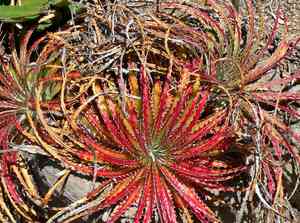
Texas false agave (Hechtia texensis)
Also known as: Texas Hechtia, Texas False Agave
The Texas false agave (Hechtia texensis) is native to arid regions in northern Mexico and central to western Texas. It thrives in rocky, sandy soils under hot, sunny conditions. Despite being an evergreen, its branches often appear red. When grown in gardens, it can be cared for similarly to cacti.
In This Article
Attributes of Texas false agave
Lifespan
Perennial
Plant Type
Herb
Plant Height
30 cm to 60 cm
Spread
30 cm to 60 cm
Leaf Color
Silver-green
Flower Size
Small, typically less than 1 cm
Flower Color
White to pinkish
Images of Texas false agave
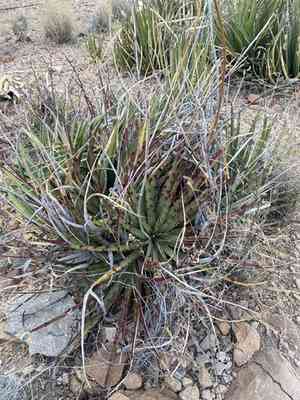
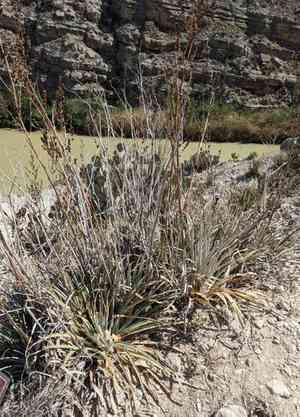
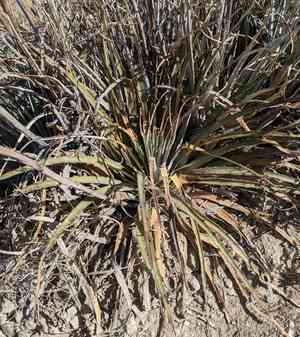
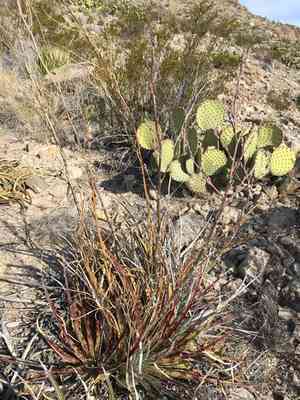
Quickly Identify Texas false agave
1
Hechtia texensis can be identified by its rosette of spiny, succulent leaves, which are usually silver-green. The inflorescences are tall and bear small, white to pinkish flowers.
Scientific Classification of Texas false agave
Phylum
Vascular plants
Class
Monocotyledons
Order
Poales
Family
Bromeliad
Genus
Hechtia
Species
Texas false agave
Planting and Growing of Texas false agave
Care Difficulty
Easy
Watering Schedule
Every 2 days
Sunlight Requirements
Full sun
Sunshine Duration
4-8 hours
Ideal Temperature
65-85℉
Soil Type
Potting Mix, Peat Mix
Soil pH
6.5-7.5
Fertilizer Type
Balanced
Pruning Season
Spring, Summer
Pruning Area
Branches, Leaves
Pruning Frequency
2 times a year
Repotting Season
Spring
Pot Type
Plastic, Ceramic
 How to Water Texas false agave?
When watering Hechtia texensis, aim for about 200 ml each time. This succulent prefers dry conditions, so be sure the soil is completely dry between waterings. Overwatering can lead to root rot, so err on the side of underwatering if unsure.
What are the symptoms of an underwatered Texas false agave?
›
What should I do if my Texas false agave is not getting enough water?
›
What are the symptoms of an overwatered Texas false agave?
›
How to save an overwatered Texas false agave?
›
 What Are the Sunlight Requirements for Texas false agave?
Hechtia texensis ideally requires a light range that includes full sun to partial sun, thriving under consistent bright conditions. Ideal light contributes to better photosynthesis, enhancing growth and preventing stress.
More About Sunlight Requirements Techniques→
How much light does Hechtia texensis need?
›
How to ensure ideal lighting for Hechtia texensis?
›
What are the benefits of ideal sunlight for Hechtia texensis?
›
 What Is the Ideal Temperature Range for Texas false agave?
Hechtia texensis thrives in a warm environment ideally between 65°F and 85°F. This temperature range supports optimal growth and sustenance. Mornings and evenings are best for checking and maintaining these conditions, as this helps ensure that the plant does not experience unnecessary stress from sudden temperature shifts. Additionally, maintaining this range allows for the plant's metabolic processes to function efficiently.
 What Soil is Best for Texas false agave?
Hechtia texensis thrives in soil that offers excellent drainage. This prevents root rot, as the plant is susceptible to waterlogged conditions. Providing such soil mimics its natural habitat, ensuring optimal growth. This plant prefers moderately fertile soil. Excess nutrients can lead to aggressive growth that compromises the plant's natural form. Balanced fertility allows the plant to flourish while maintaining its striking appearance. A coarser soil texture, found in sandy and calcareous soils, is essential. It allows air circulation around the roots, promoting healthy growth. The rough texture mirrors its native environments in rocky terrains.
 How to Fertilize Texas false agave?
Hechtia texensis requires careful fertilization as it is adapted to nutritionally poor environments. Use a balanced liquid fertilizer diluted to half the recommended strength. Each application should not exceed 100 ml per plant, ensuring that the soil is merely moistened and not waterlogged. Over-fertilizing can quickly damage the plant.
 How to Prune Texas false agave?
Remove offsets or 'pups' that grow at the base of the plant. Use clean tools to carefully separate them and consider potting them to propagate and expand your collection. Wear gloves and protective clothing when pruning, as the plant has sharp spines at the edges of the leaves. Proper attire keeps you safe from potential cuts and abrasions.
More About Pruning Techniques→
 How to Propagate Texas false agave plant?
1
Begin by filling a seed tray with a well-draining potting mix. Scatter the seeds evenly across the surface and lightly press them into the soil. Maintain even moisture without over-saturating, and cover with a clear lid or plastic wrap to retain humidity.
2
Select a healthy parent plant and cut a mature leaf or stem section using a clean, sharp knife. Allow the cut end to callous over for a few days before planting it into a well-draining substrate to prevent rot.
3
Carefully remove the plant from its pot and gently separate the rootball into smaller sections, each with its own set of roots. Plant these divisions into individual pots filled with suitable soil, ensuring they are firmly placed and well-watered.
 How to Repot Texas false agave plant?
1
Hechtia texensis shows signs of needing a new pot when its roots start to circle inside the container or protrude through drainage holes. Another indicator is when the plant's growth rate slows significantly, suggesting it's not receiving enough nutrients or space. Repotting should ideally align with the growing seasons of spring or summer, ensuring the plant has optimal conditions to adjust to its new environment.
2
Selecting the right pot for Hechtia texensis is vital. Choose a pot slightly larger than the existing one, ideally 1-2 inches greater in diameter. The pot should have adequate drainage holes to prevent waterlogging, which can lead to root rot. Clay pots are often recommended as they allow breathability, helping to regulate moisture levels effectively.
3
The ideal soil for repotting Hechtia texensis is a well-draining cacti mix. This type of soil prevents water accumulation around the roots, reducing the risk of rot. A mix containing sand, perlite, and peat moss ensures adequate drainage and aeration while providing essential nutrients for growth.
Learn More About Texas false agave Diseases
Anthracnose
Bacterial Leaf Spot
Bacterial Soft Rot
Chemical Injury
Crown Gall
Damping-off
Downy Mildew
Drought Stress
Fusarium Wilt
Gray Mold
Leaf Spot
Mosaic
Nutrient Deficiency
Nutrient Toxicity
Powdery Mildew
Root Rot
Root-knot Nematode
Rusts
Sooty Mold
Spider Mites
Temperature Stress
Thrips Damage
White Mold



