How to Prune Texas false agave?
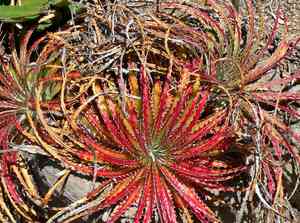
A succulent featuring blade-like foliage, texas false agave flourishes with infrequent trimming. Detach withered or compromised leaves from the base to foster vigorous development. Perform pruning in late winter or early spring prior to the emergence of new shoots. Prompt elimination of faded flower stalks improves the plant's aesthetic and deters self-propagation. Restricted pruning benefits texas false agave by lowering the chance of harm, enabling energy to concentrate on strong development.
What Are the Advantages of Trimming Texas False Agave?
What Are the Advantages of Trimming Texas False Agave?
Trimming texas false agave promotes robust development and helps maintain its desired form. By eliminating old or damaged foliage, air circulation improves, lowering disease risk and encouraging strong new leaves.
When Is the Optimal Time for Trimming Texas False Agave?
When Is the Optimal Time for Trimming Texas False Agave?
Trimming or shaping texas false agave in late winter or early spring is ideal as this period aligns with the plant's dormant phase before new growth begins. This allows gardeners to sculpt the plant without impeding emerging foliage. Additionally, removing spent or damaged leaves during this time minimizes stress on texas false agave, which can encourage vigorous growth and enhance its natural shape once the growing season starts. Proper trimming during these seasons helps maintain plant health and can prevent potential disease or pest infestations that are more likely to occur if old or damaged plant material is left in place during the growing season.
What Equipment Do I Need to Trim Texas False Agave?
Long-handled pruning shears
Perfect for reaching into the dense, spiky foliage of texas false agave without getting too close, thereby reducing the chance of injury from its sharp spines and edges.
Leather gardening gloves
Essential for protecting hands while trimming texas false agave, as its leaves can be sharp and potentially harmful.
Sharp, sterilized scissors
Useful for snipping off dead or dying flower stalks or leaves of texas false agave, ensuring clean cuts and fostering healthy plant development.
Eye protection
Safety glasses should be worn to prevent injury from the spiny leaves and debris while trimming texas false agave.
How to Trim Texas False Agave
Clean tools
Before trimming texas false agave, sanitize the pruning tools with isopropyl alcohol or a 10% bleach solution to prevent the spread of diseases.
Remove diseased leaves
Identify and carefully remove any leaves that show signs of illness. Use sharp, clean scissors to cut the leaf at its base where it meets the stem, ensuring not to tear the leaf to avoid injury to texas false agave.
Remove withered leaves
Examine texas false agave for withered or dead leaves. Gently pull these away from the plant if they detach easily or use the sterilized scissors to trim them off cleanly at the point of attachment.
Dispose trimmed material
Dispose of all trimmed material from texas false agave away from your garden to reduce the risk of disease spread. Do not compost diseased or withered leaves.
Clean up
After trimming texas false agave, clean the area around the plant to remove any fallen debris. Sterilize the pruning tools again to be ready for the next use.
Common Trimming Errors with Texas False Agave
Over-trimming
Removing too much foliage from texas false agave can stress the plant and hinder its growth. As a succulent, it requires a certain amount of leaves to photosynthesize and store water efficiently.
Incorrect cut locations
Cutting texas false agave leaves or stems without considering the plant's natural shape and growth can result in an uneven appearance and potentially harm the plant's health.
Using dull tools
Utilizing dull trimming tools can damage texas false agave's tissue, leading to jagged cuts that are more susceptible to disease and pest infestation.
Neglecting tool hygiene
Not cleaning and disinfecting trimming tools before use can introduce diseases to texas false agave, especially if the tools were previously used on infected plants.
Trimming healthy tissue
Cutting away healthy leaves and stems unnecessarily can reduce texas false agave's vigor and resilience. Only trim dead or damaged material unless shaping the plant for aesthetic reasons.
Ignoring plant structure
Failing to recognize and maintain the rosette structure of texas false agave can compromise its aesthetic and functional integrity. Texas false agave has a distinctive growth pattern that should guide trimming.
General Trimming Advice for Texas False Agave
Sterilize tools
Before trimming, sterilize all tools to prevent the spread of disease to texas false agave. Clean tools ensure clean cuts and a healthier plant.
Trim damaged leaves
Remove any damaged or dying leaves from texas false agave to promote better air circulation and direct the plant's energy towards new growth.
Follow natural shape
Trim texas false agave by following its natural rosette shape, enhancing its appearance without altering its innate growth pattern.
Sharp instrumentation
Ensure the use of sharp and precise tools for trimming texas false agave, achieving clean cuts that heal faster and minimize stress to the plant.
Limit trimming
Conduct minimal trimming on texas false agave, only as necessary to remove unhealthy tissue or to control its size within the space, thus preserving its health and aesthetic form.
Protect core
Avoid cutting into the central core of texas false agave, as this could severely damage the plant. Focus on removing only the outermost leaves when they are brown or decaying.



