How Much Sunlight Do Texas false agave Need?
1
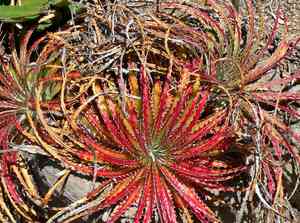
Texas false agave flourishes optimally with ample sunlight, needing over 6 hours of direct sun each day.
2
It can endure some shade, though this might lead to reduced growth rate and less vibrant leaf coloration.
3
Inadequate light exposure may lead to elongated stems and a fragile plant form.
Optimal Illumination Requirements for Texas False Agave
Full Sun Needs
The Texas false agave thrives in abundant sunlight. It flourishes best with at least six hours of direct sun daily, a condition it is well-suited for. Ideally, this sun exposure should occur in the morning to avoid the harshest afternoon rays. Consistent full sun encourages robust development and vibrant foliage. Position your Texas false agave where it can receive ample daylight for most of the day to ensure its peak health.
Partial Sun Considerations
While the Texas false agave prefers full sun, it can tolerate partial sun, meaning 4 to 6 hours of daily sunlight, often with significant shade. In such conditions, its growth may be less vigorous, and its colors less vivid. However, in extremely hot climates, partial sun can shield the plant from sunburn and overheating. Providing some shade during the hottest part of the afternoon can balance its light needs, especially in intense heat.
Ensuring Proper Light for Texas False Agave
Selecting the Right Spot
Proper placement is key to providing your Texas false agave with adequate sunlight. Ideally, plant it in a south-facing location to maximize sun absorption. If grown indoors, place it near a bright window that receives ample light throughout the day. Outdoor plants should not be overshadowed by taller structures or plants that create prolonged shade. Remember, more sun generally leads to better growth and health for your Texas false agave.
Evaluating Natural Light
Before choosing a planting site, assess the available natural light. Observe how sunlight moves across your garden or indoor area over a day. Identify spots that receive at least six hours of direct sun. Consider seasonal light changes. Using reflective surfaces or minor landscape adjustments can also enhance light access. This proactive evaluation ensures your Texas false agave gets consistent, ideal sunlight.
Can Texas False Agave Thrive Under Artificial Illumination?
Suitable Artificial Light Types for Texas False Agave
Texas false agave can grow under artificial lights if natural light is insufficient. Fluorescent and LED grow lights are most effective, offering a full spectrum that mimics natural sunlight. Select lights with blue and red wavelengths, crucial for photosynthesis and healthy development. Position the lights approximately 30-45 centimeters (12-18 inches) above the plant to prevent leaf burn while ensuring adequate light.
Artificial Light Duration and Strength
To simulate full sun, Texas false agave should receive artificial light for about 12-14 hours daily. This duration compensates for the natural daylight hours the plant would typically experience. Monitor light intensity and adjust as needed to prevent overheating. Many LED lights offer adjustable intensity, allowing you to fine-tune the light exposure. Consistent and properly timed artificial light can help a Texas false agave flourish even with limited natural sunlight.
Common Light-Related Issues for Texas False Agave
Indicators of Excessive Sunlight
While Texas false agave loves sun, too much intense light can be harmful. Signs of overexposure include scorched or sunburned leaves, appearing brown and brittle. The plant may also show dehydration symptoms despite regular watering. If these signs appear, consider moving the plant to a partially shaded area during peak sun hours, especially in very hot climates. Mulching around the base can also help retain soil moisture and reduce plant stress.
Addressing Insufficient Sunlight
Lack of adequate sunlight often leads to etiolated growth, yellowing leaves, and a general decline in the Texas false agave's health. To remedy this, promptly move the plant to a brighter location. Indoor plants may benefit from supplemental artificial lighting if outdoor relocation isn't possible. Regularly rotating the pot ensures even light exposure on all sides. Addressing light deprivation quickly can restore your Texas false agave's vigor and attractive appearance.



