How to Transplant Easter cactus?
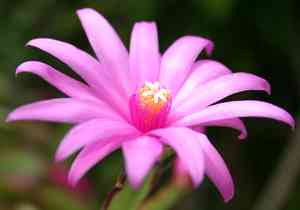
The ideal period for relocating easter cactus spans from the beginning to the end of spring, coinciding with the plant's emergence from its resting phase. Select a spot that offers ample, diffused illumination and some dappled shade. During the repotting process, carefully disentangle the root mass and tenderly place easter cactus into its new container.
Preparations Required Before Relocating Easter Cactus?
Optimal Period for Transplanting Easter Cactus?
Moving easter cactus between its seasonal beginning and end - early to late spring - is most suitable. This timeframe enables easter cactus to flourish, due to favorable growing conditions, promising the plant a fresh start, with enhanced vigor and vitality. Heed this counsel, my gardening friend, you won't regret it!
Recommended Spacing Between Easter Cactus Plants?
When relocating your easter cactus, it's best to position them approximately 6-8 inches (15-20 cm) apart. This provides ample room for them to grow and thrive without becoming overcrowded.
Ideal Soil Mixture for Easter Cactus Relocation?
For your easter cactus, prepare a well-draining soil blend, consisting of equal parts peat moss, coarse sand, and perlite. Incorporate some organic compost as a foundational fertilizer to supply essential nutrients and improve soil structure.
Where to Replant Your Easter Cactus?
Select a location for your easter cactus that receives abundant indirect sunlight. Avoid placing them in direct sun as it can harm their leaves. A bright windowsill or a protected spot near the edge of a shaded area would be perfect.
Equipment Needed Before Transplanting Easter Cactus?
Gardening Gloves
To safeguard your hands from the prickly surface when handling easter cactus.
Trowel
This tool will be used for digging holes and transferring the plant.
Pruning Shears
To trim any dead or damaged stems from the easter cactus prior to transplanting.
Watering Can or Hose
For hydrating the easter cactus both before and after its relocation.
Compost or Organic Matter
This will be added to the hole before transplanting to supply nutrients for easter cactus.
Garden Spade
If you're moving it from the ground, you'll need this to excavate the easter cactus's root ball.
Container or Pot
If you're moving it from a pot, you'll need a new one. If you're moving it from the ground, you'll need this for temporary holding.
How to Extract Easter Cactus from the Soil?
How to Extract Easter Cactus from the Soil?
From Ground: First, water the easter cactus plant to soften the earth. Then, dig a wide trench around the plant using a garden spade, keeping clear of the main stems to ensure the plant's root system remains intact. Gently lift the plant from the ground, raising it from the bottom to keep the root ball secure.From Pot: If the easter cactus is currently in a pot, start by watering it, then invert the pot while holding your hand over the soil, bracing the plant between your fingers. Gently begin tapping the edge of the pot on the ground until the plant and its root system slide out. Be careful not to pull the plant forcefully as it can damage the roots.From Seedling Tray: When transplanting seedlings, it's crucial to handle the young easter cactus very delicately. Start by watering the tray, then use a spoon or a small trowel to scoop out individual seedlings, making sure to get underneath the roots.
Step-by-Step Guide for Relocating Easter Cactus
Preparation
Prepare the area where you will relocate your easter cactus. This involves removing weeds and adding compost or organic matter to the planting hole.
Removal
Follow the advice in the removal process section of the guide to safely extract the easter cactus from its current spot.
Transplant Hole
Dig a hole with your trowel that is twice as wide and just as deep as the root ball of the easter cactus.
Placement
Position your plant in the hole, ensuring that the top of the root ball is level with the surrounding soil.
Backfill
Refill the hole with soil, gently firming it around the base of the easter cactus without compacting it too much as this can hinder root development.
Water
Water the easter cactus thoroughly immediately after transplanting to settle the soil.
Post-Transplant Care for Easter Cactus?
Watering
Water the easter cactus after transplanting, and keep the soil consistently moist but not waterlogged for the subsequent weeks. Excessive watering can lead to root rot.
Pruning
Trim any dead or damaged-looking stems from the easter cactus after transplanting. This allows the plant to focus energy on new growth.
Protection
Monitor for pests or diseases that might take advantage of the easter cactus's recovery period. Treat with a suitable organic deterrent or pesticide if necessary.
Patience
Don't be concerned if the easter cactus appears somewhat stressed in the initial weeks post-transplant. This is normal. Continue watering, and new growth should soon emerge.
Troubleshooting Common Issues with Easter Cactus Transplantation.
What is the best season to transplant easter cactus?
The optimal period for relocating easter cactus is from early spring to late spring. It's when the plant is most vigorous and receptive.
What is the ideal distance between easter cactus during transplantation?
A spacing of approximately 6-8 inches (15-20 cm) between each easter cactus provides ample room for healthy growth and prevents overcrowding.
Should I water easter cactus right after transplanting?
Wait a couple of days before watering easter cactus post-transplant to prevent root rot from excessive soil moisture.
What kind of soil is best for easter cactus when transplanting?
Easter cactus thrives best in well-drained, nutrient-rich soil. A potting mix formulated for succulents or cacti can ensure optimal growth.
What size pot is ideal for transplanting easter cactus?
Choose a pot that is slightly larger than the root ball of easter cactus. This ensures sufficient space for root expansion without excessive moisture retention.
What's the best location to place my transplanted easter cactus?
Easter cactus prefers a location with bright, indirect sunlight. Direct sunlight might cause sunburn to the leaves.
What should I do if my transplanted easter cactus shows signs of distress?
Firstly, remain calm. Verify that you have followed all transplanting steps correctly. It might simply need some time to adapt to the new environment.
How deep should I plant easter cactus when transplanting?
When transplanting easter cactus, ensure to plant it at the same depth as it was in its original pot. Anything deeper can lead to stem rot.
What to do if my transplanted easter cactus isn't blooming?
Easter cactus may require time to adjust after transplanting before it begins to bloom. Ensure it receives adequate light and water, and be patient.
Can I fertilize easter cactus immediately after transplanting?
Refrain from fertilizing your newly transplanted easter cactus until you observe new growth. This could be a few weeks post-transplant.



