Enhancing Your Garden Design with the Easter cactus Plant: A Landscaping Guide
1
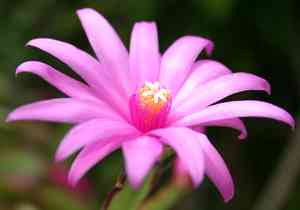
Easter cactus displays vivid flowers, bringing a burst of color to any outdoor space.
2
When placing Easter cactus, take into account your garden's microclimate and soil composition.
3
Pairing plants can improve both the development and aesthetic charm of Easter cactus.
Introducing Easter Cactus to Your Landscape Design
An Overview of Easter Cactus's Distinctive Visual Charm
Easter cactus is renowned for its brilliant and striking blossoms, appearing in shades of red, pink, and occasionally white. These flowers are tubular, offering a unique aesthetic appeal compared to typical garden flora. Its rich green foliage provides a consistent backdrop, allowing the colorful blooms to truly stand out. Beyond its flowers, the plant's overall structure, with its branched stems and drooping growth habit, adds a unique textural element to any garden scheme.
Exploring Easter Cactus's Adaptability to Various Garden Styles
A wonderful aspect of Easter cactus is its flexibility in suiting diverse garden themes. Whether you're aiming for a tropical haven, a sleek minimalist design, or a classic cottage garden, Easter cactus integrates seamlessly. Its unique look makes it perfect for adding an exotic touch to more relaxed, natural settings or introducing structured elegance to a formal garden. Given its ability to thrive in containers, you can also use Easter cactus to add vertical interest when placed on tiered stands or in hanging baskets.
Optimal Placement of Easter Cactus in Your Garden
Key Considerations for Ideal Positioning
When deciding where to position Easter cactus in your garden, evaluate factors such as light exposure, temperature, and soil composition. Easter cactus thrives in bright but indirect sunlight, making it perfect for shaded areas that receive filtered light throughout the day. Regarding temperature, aim to place it in spots protected from strong winds and extreme temperature fluctuations. Well-draining soil is vital, as waterlogged conditions can lead to root rot, to which these plants are highly vulnerable.
Suggested Arrangements: Borders, Focal Points, or Groupings
Easter cactus can be utilized in various garden areas to establish different focal points. For border planting, it can serve as an attractive edge plant that smoothly transitions your garden's structure into softer, more naturalistic zones. As a centerpiece, Easter cactus offers a stunning focal point, especially when in full bloom. Grouping several Easter cactus plants together can create a lush, colorful display that captures attention and adds a cohesive element to your garden design.
Seasonal Care for Easter Cactus
Optimal Times of Year for Introducing Easter Cactus to Your Landscape
The best period to introduce Easter cactus into your landscape is during spring or early summer when temperatures are moderate. This allows the plant to adapt to its new surroundings and develop strong roots before the temperature extremes of summer or winter. Planting during these seasons ensures Easter cactus has the best chance of flourishing and showcasing its beautiful blooms when other plants might be starting to fade.
Managing Easter Cactus During Varying Weather Conditions
Easter cactus requires specific attention during severe weather. In the summer heat, ensure it receives ample water, but prevent the soil from becoming waterlogged. Mulching can help retain moisture and regulate soil temperature. During colder months, if you reside in a frost-prone region, consider moving potted Easter cactus indoors or providing frost covers for outdoor plants. Consistent care throughout the changing seasons will help maintain the plant's health and vibrancy.
Companion Planting Strategies for Easter Cactus
Selecting Suitable Companion Plants for Easter Cactus
Choosing appropriate companion plants for Easter cactus can enhance its visual appeal and growth. Consider pairing Easter cactus with plants that have complementary foliage or bloom colors. Ferns and hostas are excellent choices, as their green hues provide a perfect backdrop for the vibrant flowers of Easter cactus. Additionally, other succulents can help create a unified look, as they share similar watering and soil requirements.
How Companion Planting Boosts Easter Cactus's Growth and Allure
Companion planting offers both aesthetic and developmental advantages for Easter cactus. Strategically chosen companions can help safeguard Easter cactus from pests and diseases by fostering a more biodiverse environment. Moreover, these plants can heighten Easter cactus's appeal by offering textural contrast or filling in gaps, making the arrangement appear fuller and more visually engaging. This symbiotic relationship promotes healthier and more robust growth for all plants involved.
Maintaining the Aesthetic Appeal of Easter Cactus
Regular Inspections and Care for a Thriving Easter Cactus
To keep Easter cactus looking its best, consistent maintenance is crucial. Perform routine checks for signs of pests, diseases, or stress. Trim any dead or damaged stems to encourage new growth and maintain a neat appearance. Proper watering is essential â ensure the soil is moist but well-drained, and reduce watering during the dormant winter months. Fertilize during the growing season with a balanced, slow-release fertilizer to support abundant blooming.
Visual Techniques to Maximize Easter Cactus's Impact in Your Garden
Maximize the visual impact of Easter cactus by employing creative placement and design strategies. Position Easter cactus against contrasting backgrounds, such as dark foliage or garden walls, to highlight its vibrant blooms. Utilizing height variations can also create more depth and interest â consider placing Easter cactus on elevated stands or incorporating it into multi-tiered planting arrangements. Use decorative pots and planters that complement the blooms to further accentuate its beauty.



