How to Overwinter Easter cactus
1
Easter cactus thrives in a cool, arid setting throughout winter for best maintenance.
2
Periodically check your Easter cactus for insects to deter outbreaks.
3
Slowly acclimate your Easter cactus to outdoor settings in spring to prevent stress.
What is an Easter cactus?
What is an Easter cactus?
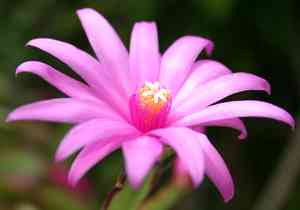
The Easter cactus (Hatiora gaertneri) is a popular indoor plant recognized for its vivid, tubular flowers that bloom around Easter, hence its name. Originating from the Brazilian rainforests, this plant thrives in bright, indirect illumination and prefers moderate humidity, making it an excellent option for indoor gardening. Its distinctive segmented stems and long-lasting blossoms make it not only visually appealing but also a favorite among plant enthusiasts.
Why is Overwintering Important for Easter cactus?
Understanding Easter cactus Frost Sensitivity
The Easter cactus is susceptible to frost, meaning it cannot endure freezing temperatures. When the temperature drops, bringing your Easter cactus indoors is essential. Exposure to frost can cause severe harm to the plant's cells, leading to blackened, soft segments, and potentially killing the plant. Therefore, comprehending and acting on its frost sensitivity is crucial for ensuring its health and longevity.
Preparing Your Easter cactus for Overwintering
Pruning and Cleaning the Plant
Before relocating your Easter cactus indoors for the winter, it's vital to trim dead or damaged stems. This practice helps the plant conserve energy during its dormant period and encourages healthier growth when it revives in spring. Additionally, cleaning the plant by removing any fallen debris or dust from its foliage ensures it remains healthy throughout the winter.
Inspecting for Pests and Diseases
Carefully examine your Easter cactus for any indications of pests such as spider mites or mealybugs before moving it indoors. Early detection and treatment of infestations prevent these pests from spreading to other houseplants. Use a magnifying glass if necessary to uncover hidden pests and treat with an appropriate insecticidal soap.
Adjusting Watering Schedule
As Easter cactus enters its dormant phase in winter, it requires less frequent watering. Excessive watering during this period can lead to root rot, a common issue for this plant. Reduce watering to once every 3-4 weeks, ensuring the soil remains slightly moist but not dry.
Fertilization Needs
Fertilizing your Easter cactus during the winter months is generally not needed as the plant's growth slows considerably. However, if you notice any signs of nutrient deficiency, you can apply a balanced, water-soluble fertilizer at half strength to support its basic nutritional requirements.
Ideal Indoor Conditions for Easter cactus During Winter
Optimal Temperature Range
Create a suitable indoor environment for your Easter cactus by maintaining a temperature range of 10-15°C (50-59°F). This cooler temperature range mimics its natural habitat and promotes the plant's dormancy.
Humidity Requirements
While the Easter cactus is not overly particular about humidity, maintaining a relative humidity of around 40-50% can help keep the plant comfortable. Using a humidifier or a pebble tray filled with water can be effective ways to increase humidity levels if needed.
Lighting Needs
Place your Easter cactus in an area where it can receive bright, indirect light. Avoid direct sunlight, which can scorch its leaves, and insufficient light, which can hinder its bloom cycle. A north-facing window or a spot with filtered light works best.
Ventilation Considerations
Good air circulation is essential for preventing mold and pest issues during winter. Ensure the room housing the Easter cactus is well-ventilated but free from cold drafts that could harm the plant.
Common Problems and Solutions While Overwintering Easter cactus
Preventing and Managing Root Rot
Root rot is a frequent problem for Easter cactus if the soil remains too wet. Ensure your pot has adequate drainage, and reduce watering to prevent water from stagnating. If root rot does occur, remove the affected roots and repot the cactus in fresh, well-draining soil.
Dealing with Leaf Drop
Leaf drop can be a sign of stress in Easter cactus, often caused by sudden changes in environment or watering routines. Minimize leaf drop by transitioning the plant gradually and maintaining consistent care. If leaves do drop, ensure the plant isn't overwatered and check for pests.
Managing Pest Infestations
Managing pests like spider mites and mealybugs is critical during overwintering. Regularly inspect the plant and treat any infestations promptly with insecticidal soap or neem oil. Keeping the plant area clean and ensuring good air circulation can also help prevent pest problems.
How to Transition Your Easter cactus Back Outdoors
When to Move Your Easter cactus Outside
Wait until the risk of frost has passed in the spring, usually after the last expected frost date in your area. This timing ensures your Easter cactus won't be exposed to harmful cold temperatures.
Gradually Reintroducing Light and Temperature
When it's time to move your Easter cactus back outside, do so gradually. Start by placing it in a shaded, protected area and slowly increase its light exposure over several weeks. This gradual transition helps the plant acclimate without shock.
Monitoring for Stress and Shock
After moving your Easter cactus outside, keep a close eye on it for signs of stress or shock, such as wilting or yellowing leaves. Adjust its position and care as needed to help it acclimate smoothly to the outdoor conditions.



