How to Propagate Easter cactus?
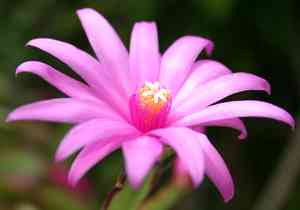
The favored propagation technique for Easter cactus involves utilizing cuttings, generally performed in the spring or summer seasons. This procedure is relatively straightforward, and the emergence of new foliage signifies successful rooting. Applying rooting hormone can potentially boost the chances of success.
Optimal Period for Easter Cactus Propagation
Propagation Method
Cutting
Propagation Season
Spring, Summer
Tools Required for Easter Cactus Propagation
Sharp and sterilized pruning shears or scissors
These tools are primarily used to make precise cuts on easter cactus stem segments for propagation. Sharpness prevents tissue damage, aiding healing and reducing infection risk. Sterilization is vital to prevent disease transmission.
Rubbing alcohol or bleach solution
These agents are employed to sanitize cutting instruments before and after use. It's crucial to eliminate any pathogens that could harm easter cactus or compromise propagation success.
Rooting hormone powder or gel
This substance assists in stimulating root formation on the severed ends of easter cactus stem segments. While easter cactus can root without it, a rooting hormone can enhance propagation success, especially for weaker cuttings.
Cactus or succulent potting mix
This medium offers the necessary drainage and aeration for easter cactus, which is critical for the rooting process. Inappropriate soil can retain excessive moisture, leading to rot in delicate cuttings.
Small pots or propagation trays
These containers are essential for planting cuttings as they develop roots. Properly sized pots or trays help maintain ideal soil moisture and provide adequate space for root growth.
Plastic bags or humidity domes
These create a moist environment around easter cactus cuttings, maintaining the humidity needed for root development. This microclimate prevents cuttings from drying out during the crucial rooting phase.
How to Propagate Easter Cactus?
Propagation Type
Cutting
Difficulty Level
Easy
Caring for Your Newly Propagated Easter Cactus
Caring for Your Newly Propagated Easter Cactus
New easter cactus propagations require consistent watering when the top inch of soil is dry, bright indirect light, and avoidance of high humidity to prevent rot. During active growth, a diluted cactus fertilizer can boost health and flowering. Winter care involves less water and cooler temperatures to encourage spring blooms. Repot every few years to refresh soil and accommodate growth.
Common Errors to Avoid When Propagating Easter Cactus
Overwatering cuttings
After planting easter cactus cuttings, gardeners often overwater, causing rot. The plant's succulent segments store water, requiring less frequent irrigation than other plant types.
Using diseased or weak segments
Successful easter cactus propagation relies on healthy initial material. Using diseased or weak segments can hinder rooting and spread pathogens.
Cutting too short segments
Segments that are excessively short may lack sufficient resources to support new growth, impeding the rooting process of easter cactus.
Too much direct sunlight
While easter cactus needs bright indirect light, direct sun can scorch sensitive cuttings, impairing their ability to root and grow.
Planting cuttings too deep
Easter cactus cuttings planted too deeply in the soil can rot before establishing roots. Proper shallow planting is essential.
Tips For Propagating Easter Cactus
Use a sharp, sterile tool
This minimizes infection risk and ensures a clean cut, vital for healthy easter cactus propagation.
Allow cuttings to callous
Before planting, let the cut ends form a callus for a few days to reduce rot risk and promote better root development.
Use well-draining soil
A mix providing good aeration and drainage is crucial to prevent waterlogging and root rot in easter cactus cuttings.
Provide indirect light
Placing easter cactus in bright, indirect sunlight encourages rooting without sunburn risk, benefiting its growth.
Maintain moderate humidity
Ensuring consistent, moderate humidity around easter cactus cuttings aids new root formation without encouraging fungal growth.



