How to Transplant False sarsaparilla?
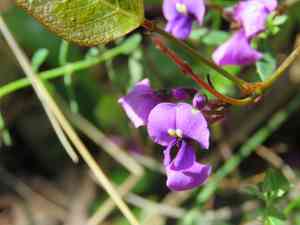
Relocate false sarsaparilla during the favorable, growth-inducing conditions of mid-spring through early summer. Select a site offering full sun to partial shade and well-aerated soil. It is crucial for the root system to become established prior to the intense heat of peak summer.
What Preparations are Needed Before Transplanting False Sarsaparilla?
What is the Ideal Time for Transplanting False Sarsaparilla?
The optimal period for relocating false sarsaparilla is at the onset of mid to late spring. This timing ensures the ground is warming and the plant can establish roots effectively before the intense summer heat. Benefits of transplanting false sarsaparilla now include robust root development, providing a strong foundation for summer growth. You're giving false sarsaparilla the best opportunity to flourish by transplanting when temperatures are moderate, ensuring a smooth transition to its new spot.
How Much Space Should You Leave Between False Sarsaparilla Plants?
For false sarsaparilla, adequate spacing is crucial. Aim for a distance of approximately 3-4 feet (0.9-1.2 meters) between each plant. This provides ample room for growth and expansion, ensuring their vitality.
What is the Best Soil Mix for False Sarsaparilla Transplanting?
The soil for false sarsaparilla should drain well and be rich in organic material. Prepare your garden bed by incorporating a base layer of decomposed compost or a slow-release organic fertilizer. This nourishes your plant and enhances soil quality.
Where Should You Relocate Your False Sarsaparilla?
Select a site that receives full sun to partial shade. False sarsaparilla thrives in sunlight, but also appreciates some afternoon shade. This balance enhances their coloration and promotes vigorous growth.
What Equipments Should You Prepare Before Transplantation False Sarsaparilla?
Gardening Gloves
To safeguard your hands while handling soil and plants.
Garden Shovel
To excavate the planting hole, and to extract the plant from its original location if it's currently in the ground.
Garden Trowel
To add or remove soil around the plant's base.
Watering Can
To keep the plant hydrated before, during, and after relocation.
Gardening Scissors/Pruners
To trim any damaged or dead roots or foliage prior to transplanting.
Stake or Garden Cane
To provide support for the false sarsaparilla during its initial growth phases post-transplant, if required.
Compost
To enrich the soil and encourage healthy development.
Mulch
To help retain moisture and suppress weed growth.
How Do You Remove False Sarsaparilla from the Soil?
How Do You Remove False Sarsaparilla from the Soil?
From Ground: First, hydrate the false sarsaparilla to moisten the soil. Then, using your garden shovel, dig a sufficiently wide and deep trench around the plant to encompass its root ball without causing damage. Carefully work the shovel beneath the root ball, lifting the plant while trying to avoid root injury.From Pot: Water the false sarsaparilla plant, allow it to soak, then tilt the pot sideways. If the plant doesn't slide out, tap the rim on a firm surface. If your plant is root-bound (roots encircling the soil ball), make vertical cuts in the root ball and then gently separate the roots.From Seedling Tray: Water trays before transplanting. Hold seedlings by their leaves to prevent damage to their stems and roots. Insert a dibber (or similar tool) into the soil to one side of the seedling, then lever it up and out. Handle the seedling with care.
Step-by-Step Guide for Transplanting False Sarsaparilla
Plant Removal
Follow the aforementioned instructions to safely extract your false sarsaparilla plant.
Hole Preparation
Excavate a hole using your garden shovel that is twice as wide and equal in depth to the root ball.
Placement
Position the plant in the hole ensuring it is upright and the top of the root ball is level with the soil surface.
Backfill
Incorporate the compost into the hole around the root ball, backfill the hole with soil, and firm the plant in place with your hands.
Support
If necessary, install a stake or garden cane adjacent to the plant.
Watering
Immediately after planting, prevent transplant shock by watering thoroughly using a watering can.
Mulching
After watering, cover the area with mulch, ensuring it does not touch the plant's base to prevent rot.
How Do You Care For False Sarsaparilla After Transplanting?
Watering
Maintain consistent moisture in the soil around your false sarsaparilla, but avoid waterlogging, during the initial weeks post-transplanting.
Support
Continue to check the stability of your stake or cane, if utilized.
Pruning
If any signs of stress appear, such as yellowing foliage, consider light pruning to reduce the plant's resource demands.
Feeding
If you did not add compost to the soil during planting, regular fertilization may be beneficial. Use a balanced slow-release fertilizer unless otherwise instructed.
Troubleshooting Common Issues with False Sarsaparilla Transplantation.
When is the best time to transplant false sarsaparilla?
The optimal period to transplant false sarsaparilla is between the second and fourth season. This allows the plant ample time to establish its root system before its peak growth period.
What is the ideal spacing for false sarsaparilla when transplanting?
Provide each false sarsaparilla with sufficient room to grow. Consider leaving 3-4 feet (approximately 0.9-1.2 meters) between individual plants.
Why are the leaves of my transplanted false sarsaparilla yellowing?
Yellowing leaves may indicate transplant shock or nutritional deficiencies. Consider testing your soil and adjusting your watering or feeding regimen as needed.
Why is false sarsaparilla not blooming after transplantation?
If false sarsaparilla is not flowering, it could be due to transplant stress or unsuitable soil conditions. Patience and consistent care, including proper watering, feeding, and sun exposure, are essential.
How do I prepare the soil to transplant false sarsaparilla?
Enrich the soil with compost or a slow-release fertilizer before planting. This will supply crucial nutrients that false sarsaparilla requires while adapting to its new environment.
How deep should I plant false sarsaparilla when transplanting?
The hole should be approximately twice the size of the root ball. Ensure that the top of the root mass is level with or slightly below the ground surface.
How much do I water false sarsaparilla after transplanting?
Water thoroughly after transplanting, and keep the soil consistently moist but not saturated. Be cautious of overwatering, as it can lead to root rot.
What type of sunlight exposure does false sarsaparilla need after transplanting?
False sarsaparilla thrives in full to partial sunlight after being transplanted. Around 6-8 hours of sunlight is ideal for healthy development.
How do I know if my transplanted false sarsaparilla is healthy?
Healthy false sarsaparilla plants exhibit vibrant, deep green leaves and bloom from winter to spring. If you observe any discoloration or wilting, promptly investigate potential causes.
Why is my new transplanted false sarsaparilla wilting?
Transplant shock can cause wilting. Ensure your false sarsaparilla receives adequate water and is not exposed to extreme temperatures. You can also apply a layer of mulch to help preserve soil moisture.



