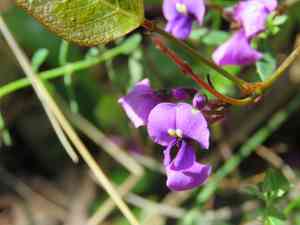
False sarsaparilla (Hardenbergia violacea)
Also known as: Happy wanderer, Lilac vine, Coral-pea
Hardenbergia violacea, commonly known as false sarsaparilla, is an Australian native legume. It features fragrant flowers that typically come in violet, though pink and white variants also exist. Celebrated for its appealing blooms, it has earned the Royal Horticultural Society’s Award of Garden Merit.
Attributes of False sarsaparilla
Images of False sarsaparilla
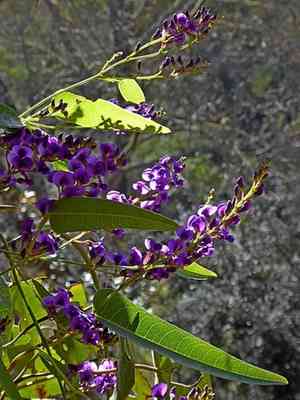
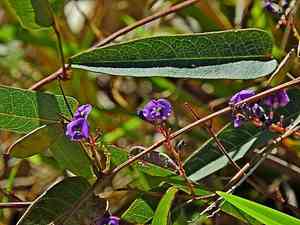
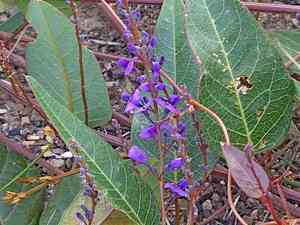
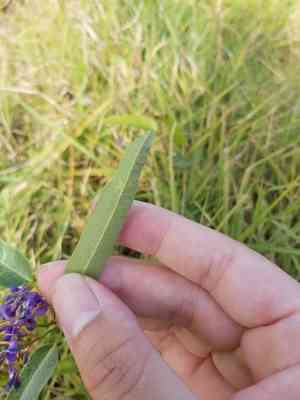
Quickly Identify False sarsaparilla
Scientific Classification of False sarsaparilla
Planting and Growing of False sarsaparilla
 How to Water False sarsaparilla?
 What Are the Sunlight Requirements for False sarsaparilla?
 What Is the Ideal Temperature Range for False sarsaparilla?
 What Soil is Best for False sarsaparilla?
 How to Fertilize False sarsaparilla?
 How to Prune False sarsaparilla?
 How to Propagate False sarsaparilla plant?
 How to Repot False sarsaparilla plant?
Toxicity of False sarsaparilla
Is False sarsaparilla toxic to humans?
False sarsaparilla exhibits a low level of toxicity to humans, as all components of the plant can lead to detrimental effects if ingested. In cases of accidental consumption, the entire plant can provoke symptoms such as gastrointestinal distress, including nausea, vomiting, and diarrhea. These manifestations reflect the plant's mild toxicity, which, although not usually life-threatening, can result in considerable discomfort and must be regarded with seriousness. It is vital for individuals, especially those with children or pets, to recognize the risks linked to accidental intake of false sarsaparilla and to take precautions to avoid such incidents.
Is False sarsaparilla toxic to cat?
False sarsaparilla has been recognized as having mild toxicity for cats. Cats may become exposed when they unintentionally consume any parts of the plant, whether in indoor or outdoor environments. The entire plant carries toxic characteristics, which could result in signs of physical discomfort for felines. Due to this toxicity, it is crucial for cat owners to remain attentive and keep their pets from tasting the plant. If a cat happens to ingest false sarsaparilla, it is vital to obtain immediate veterinary care to safeguard the cat's health and welfare.
Is False sarsaparilla toxic to dog?
False sarsaparilla presents a mild toxicity risk for dogs. Canines may inadvertently consume parts of false sarsaparilla, which could lead to possible poisoning. The entire plant is classified as toxic, and ingestion may result in concerning symptoms that require immediate attention. If a dog ingests any component of false sarsaparilla, they might show signs of distress or illness. It is essential for dog owners to closely observe their pets and restrict access to false sarsaparilla. If a dog exhibits any unusual behaviors or symptoms following contact with the plant, it is vital to seek prompt veterinary care to ensure its health and safety.



