The Hidden Danger in Your Home? Unmasking the Toxicity of the False sarsaparilla Plant.
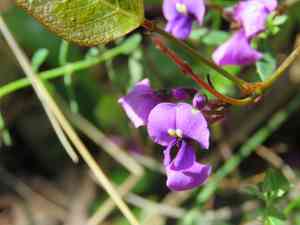
1
Ingesting false sarsaparilla may cause symptoms like sickness, throwing up, and loose stools in people, felines, and canines.
2
Every part of the false sarsaparilla plant is poisonous to animals, requiring careful oversight to avoid accidental consumption.
3
Prompt veterinary attention is essential if cats or dogs consume false sarsaparilla to safeguard their health.
Is False sarsaparilla toxic to humans?
False sarsaparilla exhibits a low level of toxicity to humans, with every part of the plant capable of causing negative reactions if ingested. If consumed unintentionally, the whole plant can trigger symptoms like digestive upset, including sickness, throwing up, and loose stools. These signs point to the plant's mild toxicity, which, while usually not fatal, can lead to considerable discomfort and should be addressed seriously. It is crucial for people, particularly those with children or animals, to understand the dangers linked to accidental consumption of false sarsaparilla and to take precautions to avoid such incidents.
Is False sarsaparilla toxic to cat?
False sarsaparilla has been recognized as slightly harmful to cats. Exposure happens when cats inadvertently consume portions of the plant, which can occur inside or outside. All components of false sarsaparilla contain harmful substances, potentially causing signs of physical distress in felines. Due to its toxicity, it's vital for cat owners to be watchful and stop their pets from chewing on the plant. If a cat ingests false sarsaparilla, it is essential to get immediate veterinary care to safeguard the cat's health and welfare.
Is False sarsaparilla toxic to dog?
False sarsaparilla presents a minor toxicity hazard to dogs. Dogs might accidentally eat parts of false sarsaparilla, leading to possible poisoning. The entire plant is deemed toxic, and consumption can result in symptoms that require concern and quick action. If a dog eats any part of false sarsaparilla, they might show signs of discomfort or sickness. It is imperative for dog owners to observe their pets closely and prevent access to false sarsaparilla. Should a dog exhibit any unusual behavior or symptoms after contact with the plant, it is critical to seek immediate veterinary attention to ensure their well-being.



