How to Prune False sarsaparilla?
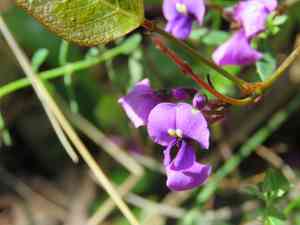
This robust climbing plant, featuring abundant purple blossoms, flourishes with consistent shaping. Trim false sarsaparilla during the initial part of spring or the latter part of winter, once its blooming period concludes. Eliminate any lifeless or frail stems to preserve its form, foster more robust leaves, and encourage vivid floral displays. Removing spent flowers can improve the plant's aesthetic appeal and stimulate additional blooming. This trimming practice not only encourages fresh development but also aids in disease prevention by improving air movement among the leaves.
What Are the Benefits of Pruning False Sarsaparilla?
What Are the Benefits of Pruning False Sarsaparilla?
Trimming false sarsaparilla promotes robust development and aids in preserving its desired form, leading to a more appealing and thriving plant.
What Is the Best Time for Pruning False Sarsaparilla?
What Is the Best Time for Pruning False Sarsaparilla?
Pruning false sarsaparilla during late winter or early spring is optimal because this timing allows gardeners to eliminate any branches damaged by cold before new growth commences, which typically happens in spring. This practice helps sustain the plant's health by lowering the risk of disease and pests that can target compromised wood. Furthermore, since false sarsaparilla usually blooms on the prior year's growth, late winter or early spring pruning ensures the plant retains sufficient mature wood to support the upcoming flowering season. This method encourages abundant blooming and enables gardeners to effectively shape the plant without diminishing its ornamental value.
What Tools Do I Need to Prune False Sarsaparilla?
Bypass Pruners
Perfect for making precise cuts on false sarsaparilla, bypass pruners are effective for trimming thinner stems and branches. Their clean cutting action helps prevent harm to the remaining plant.
Long-Handled Loppers
Useful for reaching into the denser parts of false sarsaparilla to trim areas that are harder to access. The extended handles offer leverage to cut through thicker stems without straining the gardener's back or arms.
Hand Saws
For mature false sarsaparilla with thicker branches that bypass pruners or loppers cannot manage, a sharp hand saw is essential for making clean cuts without tearing the bark.
Pruning Gloves
Protective gloves safeguard hands from thorns and sharp edges while working on false sarsaparilla.
Pruning Saw
For branches and stems too thick for loppers, a pruning saw with a fine-toothed blade is ideal as it allows for precision in confined spaces.
How to Prune False Sarsaparilla
Clean tools
Before beginning, clean and sanitize your pruning tools to prevent the spread of diseases to false sarsaparilla or between plants.
Inspect
Examine false sarsaparilla thoroughly, focusing on identifying diseased and withered leaves to determine which sections require trimming.
Remove diseased leaves
Carefully remove diseased leaves from false sarsaparilla by cutting them at the base of the leaf stem, ensuring not to harm nearby healthy tissues.
Remove withered leaves
Trim away withered leaves on false sarsaparilla, which are typically older, lower leaves that are yellow or brown, to maintain aesthetics and encourage healthier growth.
Dispose
Properly discard all removed diseased and withered foliage, away from false sarsaparilla, to prevent any potential disease spread or pest attraction.
Common Pruning Mistakes with False Sarsaparilla
Overpruning
Cutting back false sarsaparilla too severely can shock the plant, leading to poor growth or reduced flowering. False sarsaparilla thrives with moderate pruning, as excessive trimming can weaken the plant's structure and vitality.
Improper Tool Use
Using dull or dirty pruning tools can damage the stems of false sarsaparilla, resulting in jagged cuts that are vulnerable to disease. It's crucial to use sharp, clean implements for a precise cut.
Neglecting to Remove Dead Material
Failing to trim off dead or diseased wood can impede the overall health and appearance of false sarsaparilla. Such neglect can also attract pests and disease.
Incorrect Cutting Technique
Cutting too close to the main stem or node can harm the plant. It is vital to cut just above leaf nodes to encourage healthy new shoots.
Common Pruning Tips for False Sarsaparilla
Selective Thinning
Remove only specific stems to enhance air circulation and light penetration. This process encourages false sarsaparilla to produce more flowers and maintain a robust shape.
Maintenance Pruning
False sarsaparilla benefits from regular removal of old and spent flowers (deadheading) to promote further blooming and prevent seed formation that can reduce next season's flowers.
Renewal Pruning
For an older false sarsaparilla, consider cutting back a third of the oldest stems to the base each year. This encourages rejuvenation and vigorous growth from the base without overwhelming the plant.
Post-Flowering Cuts
Trimming false sarsaparilla after the main flowering period helps maintain an attractive shape and size, as well as encourages a second bloom in species that reflower.



