How to Transplant Sea randa?
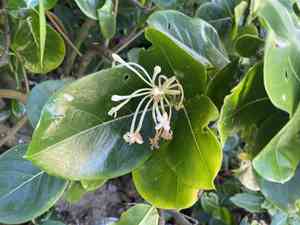
The most favorable period for transplanting sea randa extends from the beginning of spring's growth phase up to the point of full spring warmth. Select a location offering dappled sunlight and soil that drains effectively, replicating its natural seaside habitat. Careful management of the root system during the move ensures successful establishment.
Essential Preparations Before Relocating Sea Randa?
Optimal Period for Relocating Sea Randa?
For sea randa, the period from the onset of early season warmth to its gentle conclusion is idealâessentially, after the final frost when new growth is eager to begin. Moving sea randa then allows roots to establish before summer. This provides a strong start, enhances its vigor, and ensures its tropical elegance graces your space longer!
Recommended Spacing Between Sea Randa Plants?
To allow your sea randa ample room to thrive, aim to position them approximately 6.5 to 10 feet (2 to 3 meters) apart. This distance enables their roots to expand and their branches to reach upwards without overcrowding.
Best Soil Mixture for Sea Randa Relocation?
For your sea randa, select a well-draining soil rich in organic matter. Before planting, incorporate a balanced, slow-release fertilizer to supply your sea randa with the necessary nutrients for robust growth. A good beginning fosters healthy development!
Optimal Location for Your Sea Randa?
Your sea randa thrives in sunlight, so select a spot where it can receive full to partial sun daily. This means at least 4 to 6 hours of direct sunlight. A sunny location promotes vigorous growth and a happy sea randa.
Equipment to Prepare Before Relocating Sea Randa?
Gardening Gloves
To safeguard your hands while handling soil and the plant.
Shovel or Spade
For excavating the plant and preparing the new planting site.
Garden Fork
To loosen the soil around the root ball when extracting the plant from its current position.
Pruning Shears
For trimming any dead or damaged roots prior to transplanting.
Watering Can or Hose
To hydrate sea randa both before and after relocation to help minimize transplant shock.
Wheelbarrow or Garden Cart
To move sea randa from its original spot to the new planting location.
Garden Trowel
For refining the planting hole or managing smaller root systems.
How to Extract Sea Randa from the Soil?
How to Extract Sea Randa from the Soil?
From Ground: First, thoroughly water sea randa to facilitate digging and help protect the roots. Use a garden fork to gently loosen the soil surrounding the plant. Carefully create a circular space around sea randa, using a shovel or spade, ensuring the circle is wide enough to encompass the root ball. Gently slide your tool beneath the root ball to lift sea randa from the ground.From Pot: Begin by watering sea randa to moisten the soil, which aids in easier root extraction. Hold the plant's base and gently tilt the pot, tapping the bottom and sides to encourage the root ball to loosen. Once it starts to yield, carefully ease sea randa out of the pot, striving to keep the root ball intact.From Seedling Tray: First, water the seedling tray to ensure the soil is moist. Gently push from underneath the tray or use a trowel to lift sea randa out, making sure to support the soil around the roots to avoid excessive disturbance during the transition.
Step-by-Step Guide for Relocating Sea Randa
Preparation
Before removing sea randa from its current spot, ensure you have selected the appropriate location in the ground for its new home. Confirm that the new site is already prepared so you can move sea randa immediately after extraction to lessen stress on the plant.
Excavating the Hole
Dig a hole in the prepared area that is twice the width of sea randa's root ball and of the same depth. This allows the roots to spread easily within the loosened soil.
Removing the Plant
Follow the instructions in the removal process section to safely extract sea randa from its original location. Be extremely gentle to maintain the root system as intact as possible.
Positioning sea randa in the New Hole
Place sea randa in the center of the new hole. Adjust the depth so that the top of the root ball is level with the surrounding soil surface.
Backfilling
Carefully refill the hole around sea randa with soil, gently firming it down as you proceed to eliminate air pockets. Ensure that the plant is not buried any deeper than its original growing depth.
Watering
Immediately after planting, thoroughly water sea randa to settle the soil around the roots and help alleviate transplant stress.
Post-Transplant Care for Sea Randa
Stabilizing
If sea randa is tall or top-heavy, stake it to prevent leaning or uprooting by wind until its roots become established.
Mulching
Apply a layer of organic mulch around sea randa, keeping it clear of the stem. This will help retain soil moisture and regulate soil temperature.
Monitoring
Regularly check sea randa for indications of water stress and adjust your watering schedule accordingly. Watch for any signs of pests or disease.
Gentle Care
Avoid fertilizing sea randa immediately after transplanting to prevent root burn. Allow the plant to settle and begin new growth before applying any fertilizer.
Troubleshooting Common Issues with Sea Randa Relocation.
When is the best time to move sea randa?
Relocate sea randa during the pleasantness of mid-spring to late spring for optimal outcomes.
What is the ideal spacing for healthy sea randa growth?
Ideally, sea randa should have a generous distance of approximately 6.5 to 10 feet (2-3 meters) between them.
Why are my relocated sea randa leaves wilting?
Post-transplant wilting may indicate shock. Ensure sea randa is adequately watered and not initially exposed to excessive sun.
How should I prepare sea randa's new site before moving it?
The new location should feature well-drained soil, a good nutrient mix, and be free of weeds.
What is the correct depth for relocating sea randa?
Dig a hole as deep as the root ball and twice as wide, keeping the top of the root ball level with the soil surface.
Can I move sea randa in summer or fall?
Relocating sea randa in summer or fall is not ideal due to stress from heat or impending cold.
How do I water sea randa after relocation?
Water sea randa generously immediately after transplanting and maintain consistent moisture during the initial growing season.
Should I prune sea randa during relocation?
Light pruning can be beneficial; remove broken or damaged branches to support healthy development.
How can I identify transplant shock in sea randa?
Signs include drooping, discolored leaves, and stunted growth, but with proper care, sea randa can recover.
Can sea randa be moved into a pot?
Yes, but select a large container with ample space for roots to spread and ensure it has good drainage.



