Ideal Temperature for Sea randa
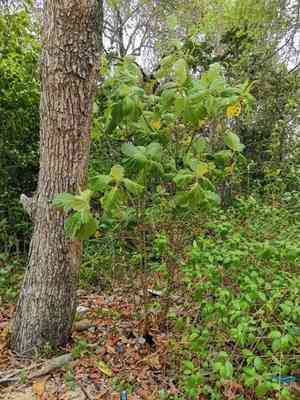
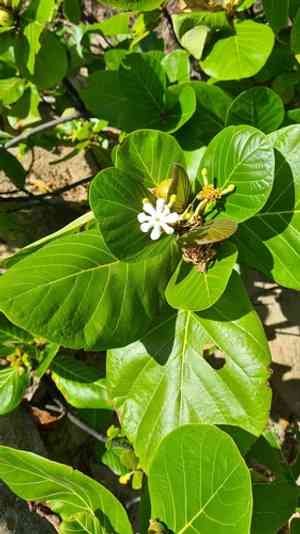
Images of Sea randa


Signs of Cold Stress in Sea randa
Symptoms
Sea randa thrives in warmth and cannot withstand cold. It grows optimally when temperatures exceed 75℉. In winter, maintain temperatures above 68℉. Below 59℉, leaves may lose color. After frost, they gradually turn brown or black, showing signs of wilting and drooping.
Solutions
Remove frost-damaged sections. Promptly relocate indoors to a warm area for protection. Position the plant near a south-facing window for sufficient light. Avoid placing it near heating or AC vents to prevent air from becoming too dry.
Signs of Heat Stress in Sea randa
Symptoms
In summer, Sea randa should be kept below 86℉. When temperatures surpass 95℉, leaves lighten and the plant becomes more prone to sunburn.
Solutions
Remove any sun-scorched or dried-out portions. Relocate the plant to a spot offering shade from intense midday and afternoon sun. Water the plant in the morning and evening to maintain soil moisture.



