The Sea randa Plant Advantage: Maximizing Home and Office Appeal and Wellness
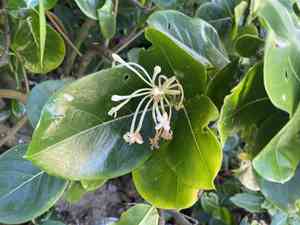
1
Historically valued for its numerous advantages, this flora aids in safeguarding coastlines.
2
It offers crucial living space for a variety of aquatic organisms.
3
Its foliage finds utility in diverse practical uses, such as artisanal creations.
How Does Sea randa Aid Coastal Protection?
Natural Defense Against Erosion
Sea randa acts as a vital natural defense against shoreline erosion. Its strong root system helps stabilize sandy ground and prevents the coast from receding. The presence of these plants strengthens the coastline, which is especially valuable during tropical storms or high tides.
Shield Against Saltwater Incursion
Coastal zones frequently face the damaging impacts of saltwater intrusion, which can harm flora and fauna. Sea randa functions as a buffer, filtering and lowering salinity levels in coastal soils. Its ability to thrive in salty conditions makes it an effective barrier, ensuring the coastal ecosystem's viability.
What Are Sea randa's Ecological Advantages?
Supports Biodiversity
Sea randa offers crucial habitat for various marine and terrestrial species. The plant's thick foliage provides refuge and breeding grounds for smaller marine organisms, birds, and insects. This, in turn, fosters ecological equilibrium and supports regional biodiversity.
Improves Soil Quality
The decomposition of Sea randa's leaves adds organic matter to the soil, enhancing its fertility and structure. This characteristic is particularly beneficial in coastal areas, where soil quality is often poor. Improved soil quality supports other plant species, contributing to a more diverse and robust ecosystem.
How Can Sea randa Be Utilized Practically?
Crafts and Artistry
The leaves and fibers of Sea randa are frequently used in local arts and crafts. These natural materials can be woven into baskets, mats, and other items, providing a sustainable raw material source for artisans. This not only preserves traditional craftsmanship but also offers economic benefits to local communities.
Natural Shade and Cooling
Sea randa can be planted around homes and public spaces to provide natural shade and cooling. The plant's broad leaves help reduce ambient temperatures, making outdoor areas more comfortable. This natural cooling effect can lessen the need for artificial cooling systems, thereby lowering energy consumption.
Can Sea randa Offer Solutions for Environmental Issues?
Combating Climate Change
Sea randa plays a role in combating climate change through carbon sequestration. The plant absorbs carbon dioxide during photosynthesis, which helps reduce the overall carbon footprint. By stabilizing coastlines and reducing erosion, it also mitigates some adverse effects of climate change-induced sea-level rise.
Marine Pollution Reduction
The presence of Sea randa in coastal areas can aid in reducing marine pollution. Its dense root system can trap and filter out pollutants before they reach the ocean. This natural filtration process is crucial for maintaining the health of marine ecosystems and ensuring the sustainability of marine resources.



