How to Prune Sea randa?
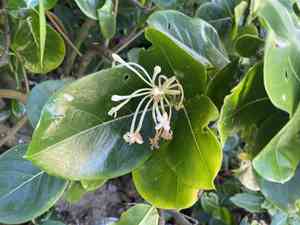
Recognized for its expansive foliage and white, stellate blossoms, sea randa flourishes in littoral habitats. Perform trimming during the winter season when its development is inactive. Concentrate on excising lifeless or ailing limbs to preserve its vigor and aesthetic. Regular reduction of the crown promotes air circulation and the ingress of light. Since sea randa recuperates effectively from trimming, this enhances leaf thickness and revitalizes the specimen. Refrain from severe cutting, which could unduly strain sea randa.
What Are the Benefits of Pruning Sea Randa?
What Are the Benefits of Pruning Sea Randa?
Trimming sea randa promotes more robust development by eliminating dead or diseased wood, ensuring energy is directed towards healthy parts. It also aids in maintaining its desired form, preventing excessive growth and supporting the plant's structural soundness.
What Is the Best Time for Pruning Sea Randa?
What Is the Best Time for Pruning Sea Randa?
During this period, sea randa is typically inactive, which minimizes stress and allows for better recovery of pruning wounds. Trimming before the spring growth surge also helps stimulate vigorous new growth. Additionally, the plant's structure is more visible without leaves, simplifying precise cuts. Avoiding the flowering season ensures the plant's blooming potential is not reduced.
What Tools Do I Need to Prune Sea Randa?
Hand Pruners
For cutting smaller branches and shaping sea randa, hand pruners, or secateurs, are crucial. They create clean cuts that heal rapidly, which is healthier for the plant. Bypass pruners are preferred over anvil types as they cut more cleanly without crushing plant tissues.
Loppers
When dealing with thicker branches that hand pruners cannot manage, loppers provide the extra leverage needed for clean cuts. Look for loppers with long handles to reach higher branches and those with a bypass cutting action.
Pruning Saw
If sea randa has developed large, woody branches, a pruning saw is essential. A saw with a curved blade can be particularly effective for making precise cuts on larger limbs.
Pole Pruner
For elevated branches, a pole pruner allows gardeners to safely trim without using a ladder. It combines a lopper and saw blade on an extendable pole and is ideal for managing the overall shape and height of sea randa.
Gardening Gloves
Thick, durable gloves protect hands from thorns, sharp branches, and rough bark while pruning sea randa.
Cleaning Solution
To prevent disease spread, cleaning solutions for tools should be used before and after pruning. A simple bleach or alcohol solution can disinfect the blades.
How to Prune Sea Randa
Clean tools
Before beginning to prune sea randa, ensure all pruning tools are clean and sharp to prevent disease transmission and to make clean cuts that heal more effectively.
Inspect plant
Examine sea randa thoroughly, identifying dead or diseased branches that require removal. Check for any signs of discoloration, abnormal growth, or decay.
Cut diseased branches
Carefully remove diseased branches first, cutting them back to healthy wood, well below any discolored or abnormal tissue. Use angled cuts to prevent water accumulation which could promote decay.
Remove dead branches
Next, prune any dead branches on sea randa, cutting them at the point where they meet healthy wood, ensuring not to damage the collar or living tissue that aids in the healing process.
Dispose
Dispose of the pruned material immediately and away from healthy plants to prevent the potential spread of any disease. Do not compost if the material is suspected to be diseased.
Common Pruning Mistakes with Sea Randa
Over-pruning
Removing too much foliage at once can stress sea randa, hindering its growth and recovery.
Improper cut location
Cutting too far from a bud or node, or into old wood, can cause dieback or fail to stimulate new growth.
Using dull tools
Dull pruning tools can damage sea randa's branches and create jagged cuts that are more susceptible to disease.
Neglecting hygiene
Using uncleaned tools can introduce pathogens to the pruning wounds of sea randa, leading to infection and disease.
Ignoring plant shape
Pruning without considering sea randa's natural shape can lead to an unbalanced and aesthetically displeasing appearance.
Common Pruning Tips for Sea Randa
Sharp tools
Always use sharp and clean pruning shears to make precise and clean cuts that will heal quickly.
Selective pruning
Target specific branches for removal that are dead, diseased, or overgrown to maintain the overall health and form of sea randa.
Angle cuts away
Make cuts at a 45-degree angle away from the nearest bud to encourage proper water runoff and reduce the risk of disease.
Incremental pruning
Prune incrementally throughout the active growing season to avoid shock and encourage bushier growth.
Rejuvenation pruning
Consider performing light rejuvenation pruning every few years to stimulate new growth and flowering without compromising the plant's health.



