How to Transplant Big bend pricklypear?
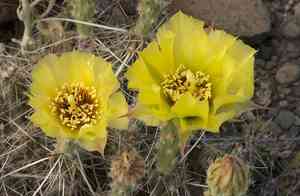
For successful establishment of big bend pricklypear, select the revitalizing warmth of late spring. This guarantees root development prior to the summer's intense heat. Pick bright, well-drained locations, providing careful guidance if repositioning is necessary for this robust perennial.
What Preparations are Needed Before Transplanting Big Bend Pricklypear?
What is the Ideal Time for Transplanting Big Bend Pricklypear?
The best time to move big bend pricklypear is during the mild weather of late April to early June. This gentle season allows big bend pricklypear to establish roots gradually before summer's intense heat, promoting strong growth. It's an excellent window for transplanting because the soil is warm enough for root development and the weather is moderate, reducing stress on big bend pricklypear. By choosing this nurturing period, you're setting big bend pricklypear up for success, as rising temperatures aid root expansion and help the perennial settle into its new location easily.
How Much Space Should You Leave Between Big Bend Pricklypear Plants?
When relocating big bend pricklypear, it's best to provide ample room for growth. Position them 15-20 inches (38-51 cm) apart, ensuring their roots have sufficient space to spread without competing for nutrients.
What is the Best Soil Mix for Big Bend Pricklypear Transplanting?
Prepare a soil blend that drains well for big bend pricklypear, incorporating sand for improved air circulation. Adding a slow-release cactus fertilizer to the soil can supply vital nutrients for a healthy beginning.
Where Should You Relocate Your Big Bend Pricklypear?
Select a sunny spot for your big bend pricklypear as they thrive with abundant light. A location that receives full sun for most of the day will mimic their natural desert environment and encourage vigorous growth.
What Equipments Should You Prepare Before Transplantation Big Bend Pricklypear?
Gardening Gloves
To safeguard your hands when handling the spiky big bend pricklypear.
Shovel or Spade
For digging around and beneath the plant's root ball during its removal.
Pruning Shears
To trim any damaged roots or pads prior to transplanting.
Watering Can or Hose
Crucial for hydrating the plant after it has been transplanted.
Wheelbarrow or Garden Cart
To move the big bend pricklypear between locations if necessary.
Tape Measure
For determining proper spacing between transplanted plants.
Trowel
For minor adjustments and final placement into the ground.
How Do You Remove Big Bend Pricklypear from the Soil?
How Do You Remove Big Bend Pricklypear from the Soil?
From Ground: First, water big bend pricklypear to soften the soil and minimize root damage. Use a shovel or spade to dig a trench around the plant, maintaining a wide distance to avoid harming the extensive root system. Gently work beneath the root ball, carefully prying the plant up without breaking roots or pads.From Pot: Water big bend pricklypear for moist soil. Tilt the pot on its side and gently tap the edges to loosen the root ball. Slowly and carefully, guide the root ball out, preserving the soil's integrity around the roots to prevent stress.From Seedling Tray: Water big bend pricklypear to ensure soil cohesion. Use a trowel to separate individual plants if needed. Gently lift the plant with a supporting hand to prevent damage to young roots and pads.
Step-by-Step Guide for Transplanting Big Bend Pricklypear
Prepare New Site
Dig a hole in the ground slightly larger than the root ball of big bend pricklypear to allow for easy placement.
Inspect the Roots
Gently shake off excess soil from the roots and trim any damaged or overly long roots with pruning shears.
Place the Plant
Carefully position big bend pricklypear into the hole so that its base is level with the surrounding soil.
Ensure Proper Orientation
Adjust big bend pricklypear to confirm it stands upright and faces the desired direction.
Backfill the Hole
Slowly refill the hole with the excavated soil, tamping down gently to stabilize big bend pricklypear and eliminate air pockets.
Water Thoroughly
Water the base of big bend pricklypear to help settle the soil and provide necessary hydration to aid recovery from transplant stress.
How Do You Care For Big Bend Pricklypear After Transplanting?
Initial Watering
Water big bend pricklypear generously immediately after transplanting to help alleviate shock and settle the soil.
Regular Observation
Monitor big bend pricklypear regularly for indications of stress, such as wilted or drooping pads, and intervene if necessary.
Maintain Stability
Ensure big bend pricklypear remains stable during its initial growth. Re-stabilize with soil if the plant leans due to wind or other factors.
Avoid Overwatering
Once established, be careful not to overwater, as big bend pricklypear is drought-tolerant and prefers dry conditions. Allow the soil to dry between waterings.
Troubleshooting Common Issues with Big Bend Pricklypear Transplantation.
Why is my big bend pricklypear not thriving after transplant?
Ensure it's planted during the optimal period, from mid-to-late spring, and check if the root system was damaged during transplant.
How far apart should I space my big bend pricklypear plants?
Position your big bend pricklypear at a friendly distance of about 15-20 inches (38-50 cm) apart to allow ample growth space.
What's the best way to water big bend pricklypear after transplantation?
Water your big bend pricklypear gently at the base to avoid wetting the foliage, ensuring the soil is moist but not soggy.
Should I fertilize my big bend pricklypear after transplanting?
Wait a few weeks before applying a balanced fertilizer to avoid stressing the newly transplanted big bend pricklypear.
How much sun does my transplanted big bend pricklypear need?
Provide full sun for your big bend pricklypear, as it thrives best with plenty of sunlight post-transplant.
What soil type is best for transplanting big bend pricklypear?
Choose well-draining soil to prevent water accumulations which can harm the big bend pricklypear's root system.
How do I know if my big bend pricklypear is getting enough water?
The soil should be damp to the touch but not waterlogged. Observe if the big bend pricklypear appears wilted or the soil is dry.
Why are the leaves of my big bend pricklypear turning yellow?
Yellowing leaves can indicate overwatering or poor drainage. Ensure the soil is not too wet and improves drainage if necessary.
Can I transplant big bend pricklypear during the summer?
Transplanting during mid-to-late spring allows big bend pricklypear to establish before the heat, so summer transplanting is not ideal.
How deep should I plant big bend pricklypear?
Plant your big bend pricklypear at the same depth it was in the previous pot, which should be shallow to accommodate its fibrous roots.



