How to Prune Big bend pricklypear?
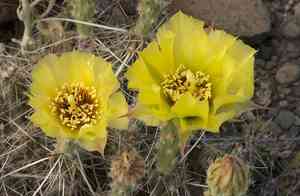
Originating from dry environments, Opuntia engelmannii var. flavispina is a resilient cactus recognized for its barbed segments. Trim to eliminate compromised pads and manage expansion, employing tongs and keen, sanitized implements. The optimal period is from late winter to early spring, during its inactive phase, to stimulate robust spring development. Trimming can also facilitate the propagation of new specimens. Carefulness is recommended to evade its pointed spines, which mandate the use of defensive gloves and eye protection. Consistent trimming benefits the plant by preserving its form and fostering well-being.
What Are the Benefits of Pruning Big Bend Pricklypear?
What Are the Benefits of Pruning Big Bend Pricklypear?
Trimming big bend pricklypear promotes vitality and maintains its shape by eliminating excess growth and dead parts, allowing for adequate light and air circulation, which are vital for a flourishing plant.
What Is the Best Time for Pruning Big Bend Pricklypear?
What Is the Best Time for Pruning Big Bend Pricklypear?
Trimming big bend pricklypear in late winter or early spring is optimal because the plant is still dormant before its new growth cycle begins. This timing helps prevent undue stress on big bend pricklypear and ensures better recovery from any cuts or wounds caused by pruning. Furthermore, removing damaged or diseased sections before big bend pricklypear starts active growth redirects energy towards producing healthy new tissues, which can enhance overall vigor, flowering, and fruit production. It also lowers the chance of disease transmission, which can be higher during wetter or more active growth periods. Additionally, visibility for pruning is improved when the plant has not yet fully leafed out, allowing for more precise cuts and shaping.
What Tools Do I Need to Prune Big Bend Pricklypear?
Heavy-Duty Pruning Shears
Perfect for cutting through the thick, fleshy pads of big bend pricklypear, enabling precise cuts without harming the plant.
Long-Handled Loppers
Offer the necessary extended reach to safely trim big bend pricklypear without direct contact with its spines.
Thick Gardening Gloves
Crucial for protecting hands from the sharp spines and glochids of big bend pricklypear when handling and pruning.
Eye Protection
Safeguards eyes from any dislodged spines or debris during pruning tasks on big bend pricklypear.
Garden Spade or Shovel
Useful when it's necessary to remove or relocate parts of big bend pricklypear as part of the pruning process.
How to Prune Big Bend Pricklypear
Clean Pruning Tools
Before trimming big bend pricklypear, ensure all cutting implements are clean and sterilized to prevent disease spread. Use a solution of one part bleach to nine parts water to sanitize the blades.
Identify Diseased Leaves
Examine big bend pricklypear carefully and pinpoint any leaves showing signs of illness. Look for unusual spots, discoloration, or decay.
Remove Diseased Leaves
Using sharp pruning shears, gently snip away the diseased leaves from big bend pricklypear. Make cuts close to the leaf's base, being careful not to harm the stem or adjacent healthy leaves.
Identify Withered Leaves
Locate leaves on big bend pricklypear that are shriveled or dried out. These leaves typically appear shrunken or discolored, indicating they are dead or dying.
Remove Withered Leaves
Carefully cut off the withered leaves from big bend pricklypear. Make clean cuts to avoid tearing, which can create entry points for pests or diseases.
Common Pruning Mistakes with Big Bend Pricklypear
Overpruning
Removing too many pads from big bend pricklypear can stress the plant, leading to reduced vigor and growth. This error is often made by those seeking a quick aesthetic fix without considering the plant's well-being.
Improper Cut Location
Cutting too close to the pad's base or too far from the joint can create wounds on big bend pricklypear that don't heal properly, leaving the plant susceptible to infections or pests.
Use Of Dull Tools
Not using sharp, clean pruning tools can result in jagged cuts that are more prone to disease and may impede the healing process of big bend pricklypear.
Neglecting Protective Gear
Big bend pricklypear is a cactus with spines that can cause injury. Forgetting to wear thick gloves and protective clothing is a mistake that can lead to painful encounters with the plant.
Pruning Healthy Pads
Unnecessarily cutting away healthy pads on big bend pricklypear can limit the plant's ability to photosynthesize efficiently, which is vital for its growth and health.
Common Pruning Tips for Big Bend Pricklypear
Clean Cut Technique
Employ a sharp and sterile pruning tool to make clean cuts at the joint between big bend pricklypear pads, which promotes faster healing and lessens disease risk.
Pruning Damaged Pads
Target pads that are damaged, diseased, or pest-infested for removal to maintain the overall health of big bend pricklypear and prevent issues from spreading to other plant parts.
Disposal Of Pruned Material
Properly discard or compost any removed pads or plant matter from big bend pricklypear to prevent the spread of pests or diseases that might linger on the cuttings.
Post-Pruning Care
After pruning, allow the wounds to form a callus before watering big bend pricklypear to prevent rot and encourage healthy regrowth.
Tool Maintenance
Regularly maintain pruning tools to keep them sharp and clean. This ensures effective cuts and minimizes damage and stress to big bend pricklypear during pruning activities.



