How to Propagate Big bend pricklypear?
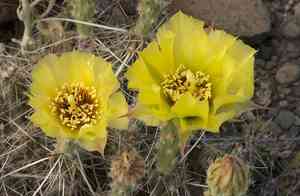
Big bend pricklypear can be effectively multiplied by planting its seeds. Cultivators must guarantee the use of a growing medium that drains efficiently and position the seeds superficially, just enough to conceal them. Sustained dampness is vital during the early sprouting period, yet after becoming rooted, big bend pricklypear needs reduced irrigation, consistent with its ability to withstand arid conditions. Careful manipulation is essential during relocation to safeguard its delicate root structure. Perseverance is significant since big bend pricklypear might require a considerable duration to fully settle.
When Is the Best Time to Propagate Big Bend Pricklypear?
Propagation Method
Seeding
Propagation Period
Spring
What Equipment Is Used in Big Bend Pricklypear Propagation?
Seed trays
Seed trays are crucial for planting big bend pricklypear seeds under controlled conditions. Their divided sections allow for organized individual seed placement, reducing root entanglement and simplifying later transplanting. The shallow depth suits big bend pricklypear's small seeds, ensuring they aren't buried too deep, which is vital for good germination.
Grow lights
Grow lights supply the necessary light spectrums to encourage big bend pricklypear's germination and growth. These lights particularly benefit big bend pricklypear during the seedling stage when sufficient light is critical, but natural sunlight might be inadequate or inconsistent. They ensure consistent light exposure, mimicking natural sun, which boosts germination success.
Misting bottle
A misting bottle is used to gently water big bend pricklypear seeds and delicate seedlings, providing moisture without disturbing the soil or dislodging the seeds. Proper hydration is essential during germination, and the fine mist keeps the soil moist but not waterlogged, preventing seed rot and promoting healthy seedling development.
Heating mat
A heating mat helps maintain the soil at an ideal temperature for big bend pricklypear seed germination. By providing consistent warmth from below, the mat encourages faster and more uniform germination, a key factor for sensitive species like big bend pricklypear. The controlled heat is especially beneficial in cooler climates or during colder months.
Sterile soil mix
Using a sterile soil mix for big bend pricklypear seeds ensures the medium is free of pathogens, weeds, and pests. This reduces the risk of disease or competition that could hinder big bend pricklypear seedling growth and viability. A perlite and peat-based mix is recommended for good drainage and aeration, critical for preventing root diseases and promoting strong root systems.
How to Propagate Big Bend Pricklypear?
Propagation Difficulty
Simple
How to Care for Your Newly Propagated Big Bend Pricklypear?
How to Care for Your Newly Propagated Big Bend Pricklypear?
After germination, gradually introduce young big bend pricklypear plants to more direct sunlight and less humidity over several weeks. Continue to water sparingly, allowing the soil to completely dry between waterings. As big bend pricklypear matures, minimize fertilizing and ensure ample light exposure. Protect from extreme cold and frost.
Common Errors to Avoid When Propagating Big Bend Pricklypear
Overwatering
Excessive watering of big bend pricklypear can lead to root rot, a common problem for cacti that need dry conditions to thrive. Too much moisture in the soil creates an environment conducive to fungal growth, which can damage the root system and impede propagation success.
Insufficient light
Placing big bend pricklypear in low-light conditions can weaken its growth. Big bend pricklypear requires bright sunlight to develop strong, healthy structures, which are essential for successful propagation.
Using unsuitable soil mix
Employing a soil mix that retains too much moisture or lacks proper drainage can be harmful to big bend pricklypear. Big bend pricklypear needs a well-draining soil mix to support proper root development and prevent waterlogging.
Advice For Propagating Big Bend Pricklypear
Proper cutting technique
Ensure big bend pricklypear cuttings are taken cleanly using a sterilized, sharp knife. Cuts should be made on healthy segments to encourage better rooting. Allow cuttings to callous for several days before planting to prevent infection.
Choosing the right soil
Use a well-draining cactus or succulent premix soil for big bend pricklypear to promote effective rooting. The soil should be aerated and porous to manage moisture adequately and support root growth.
Adequate sunlight exposure
Provide big bend pricklypear with plenty of bright, indirect light during the rooting phase to foster energy production and growth. However, avoid extremely harsh direct sunlight that can scorch young cuttings.



