The Big bend pricklypear Plant Advantage: Maximizing Home and Office Appeal and Wellness
1
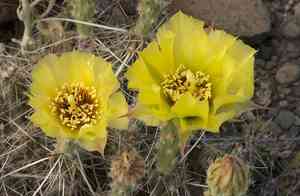
Big Bend pricklypear is recognized for its hardiness and capacity to flourish in challenging environments.
2
It promotes healthy soil and minimizes land degradation in its native regions.
3
This plant provides substantial environmental advantages and acts as sustenance for indigenous animals.
What Are the Environmental Advantages of Big bend pricklypear?
Soil Health Enhancement
Big bend pricklypear is vital for maintaining soil quality, especially in dry and semi-arid areas. Its root system helps stabilize the earth, preventing erosion and boosting moisture retention. This is particularly useful in desertification-prone zones, as it aids in preserving ground cover and minimizing soil degradation.
Biodiversity Support
Big bend pricklypear fosters a variety of biodiversity by offering shelter and sustenance for numerous species. The plant's structure provides refuge for small mammals, reptiles, and insects, contributing to a balanced ecosystem. Furthermore, its fruit serves as a food source for birds and other wildlife, helping to sustain local fauna.
How Does Big bend pricklypear Aid in Water Conservation?
Drought Resilience
A key characteristic of Big bend pricklypear is its capacity to endure extended dry spells. This is due to specialized adaptations, including water-storing tissues and a reduced surface area to minimize water loss. This ability not only ensures the plant's survival but also assists in overall water conservation within its habitat.
Microclimate Regulation
Big bend pricklypear significantly influences the microclimate of its surroundings. By offering shade and lowering ground temperature, it helps create a more favorable microenvironment for other plants and organisms. This contributes to the overall water retention and stability of the local ecosystem, making it less vulnerable to the adverse effects of drought.
What Economic Advantages Does Big bend pricklypear Provide?
Agricultural Application
Big bend pricklypear shows promise in agricultural practices, particularly in regions with limited water resources. It can be cultivated as a low-maintenance crop requiring minimal irrigation, thereby reducing water consumption. Its ability to thrive in poor soil conditions also makes it a valuable asset for improving land otherwise unsuitable for traditional farming.
Commercial Goods
The adaptability of Big bend pricklypear extends to its commercial uses. Parts of the plant can be harvested and utilized in the creation of various products such as natural dyes, fibers, and even as an ingredient in certain food items. This not only creates opportunities for economic growth in rural areas but also promotes the use of sustainable resources.
Are There Any Additional Environmental Benefits?
Carbon Sequestration
Big bend pricklypear contributes to climate change mitigation through carbon sequestration. By capturing and storing atmospheric carbon dioxide in its tissues, the plant helps lower the overall concentration of greenhouse gases in the atmosphere. This supports global efforts to combat climate change and promotes a healthier environment.
Pollinator Assistance
Pollinators like bees and butterflies are drawn to Big bend pricklypear, which plays a crucial role in their life cycle. By providing a dependable source of nectar and pollen, the plant supports pollinator populations, which are essential for the pollination of many other plant species. This, in turn, helps maintain biodiversity and secures food sources for a wide array of organisms.



