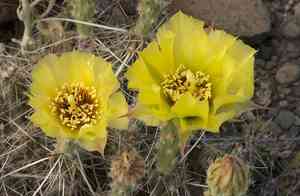
Big bend pricklypear (Grusonia aggeria)
Also known as: Trans-Pecos Claret Cup, Eagle-claw Cactus
The Big Bend pricklypear is a resilient cactus renowned for its ability to thrive in harsh, arid environments. Its thick, fleshy pads, which can store water, and a protective waxy coating that minimizes water loss, are key adaptations. Sharp spines not only deter herbivores but also provide shade, reducing temperature and conserving moisture. The cactus also has shallow, extensive roots that quickly absorb rainwater, and its ability to photosynthesize through its pads helps it manage resources efficiently. Bright yellow flowers that bloom under intense sunlight further showcase its adaptability.
In This Article
Attributes of Big bend pricklypear
Lifespan
Perennial
Plant Type
Succulent
Plant Height
0 mm to 30 cm
Spread
15 cm
Leaf Color
Green
Flower Size
3-5 cm
Flower Color
Red
Images of Big bend pricklypear
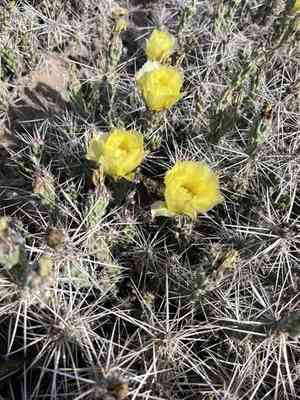
Quickly Identify Big bend pricklypear
1
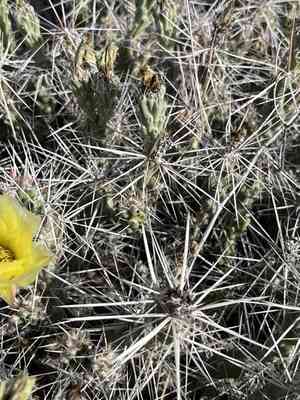
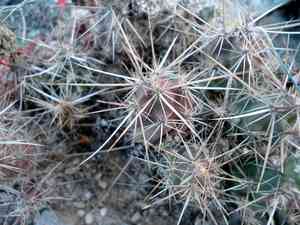
To identify Grusonia aggeria, look for its cylindrical, ribbed stems covered with spines, and bright red flowers that bloom in spring. The plant typically grows in clumps and can be found in arid, rocky environments.
Scientific Classification of Big bend pricklypear
Phylum
Vascular plants
Class
Dicotyledons
Order
Caryophyllales
Family
Cactuses
Genus
Cholla
Species
Big bend pricklypear
Planting and Growing of Big bend pricklypear
Care Difficulty
Easy
Watering Schedule
Every day
Sunlight Requirements
Full sun
Sunshine Duration
6-10 hours
Ideal Temperature
70-90℉
Soil Type
Potting Mix, Peat Mix
Soil pH
6.5-7.5
Fertilizer Type
Balanced
Pruning Season
Spring, Summer
Pruning Area
Branches, Leaves
Pruning Frequency
2 times a year
Repotting Season
Spring
Pot Type
Plastic, Terracotta
 How to Water Big bend pricklypear?
Grusonia aggeria, commonly known as the Texas Prickly Pear, requires a moderate watering approach. Water around 200 milliliters when the soil is completely dry. Too much water can lead to root rot, a condition no plant wants to face.
What are the symptoms of an underwatered Big bend pricklypear?
›
What should I do if my Big bend pricklypear is not getting enough water?
›
What are the symptoms of an overwatered Big bend pricklypear?
›
How to save an overwatered Big bend pricklypear?
›
 What Are the Sunlight Requirements for Big bend pricklypear?
Preferring full sunlight, Grusonia aggeria benefits from consistent exposure. This environment provides optimal photonic energy, crucial for executing photosynthesis effectively, ensuring vigorous growth and robust developmental patterns.
Optimal Light Duration
›
Brightness and Position
›
Light Frequency Adaptation
›
 What Is the Ideal Temperature Range for Big bend pricklypear?
The ideal temperature range for Grusonia aggeria is between 70°F and 90°F. This range allows the plant to thrive and grow optimally, mimicking the warm conditions of its native desert habitat. Maintaining these temperatures can improve the plant's growth rate and overall health.
 What Soil is Best for Big bend pricklypear?
Grusonia aggeria thrives in well-drained soil to prevent root rot. This plant has adapted to arid environments, where too much water can lead to decay. Ensuring the soil has excellent drainage helps mimic its natural habitat, keeping the plant healthy and vigorous. This cactus prefers nutrient-poor soil, which reflects its native environment where competition for nutrients is minimal. Overly rich soil can lead to unattractive, leggy growth. By providing leaner soil, you encourage it to focus energy on growing strong roots and compact, dense pads. Grusonia aggeria can tolerate slightly alkaline conditions, which are typical of desert soils high in calcium content. This pH preference reduces the prevalence of competing plant species and diseases, thereby minimizing the need for additional care.
 How to Fertilize Big bend pricklypear?
When fertilizing Grusonia aggeria, use a balanced cactus fertilizer diluted to half strength. Apply around 5 ml of this solution per liter of water. Be careful not to over-fertilize, as this can stress the plant.
 How to Prune Big bend pricklypear?
Use sharp, sterilized pruning shears to make clean cuts. This helps prevent disease transmission and minimizes damage to the plant. Proper tools will make the process easier and safer. Inspect your Grusonia aggeria carefully to identify any pads that are dead or showing signs of damage. Remove these first to prevent the spread of disease and to improve the plant’s overall health. Trim pads strategically to maintain the desired shape and size. This is especially important if the plant is outgrowing its space or if you want to encourage branching. Thin out crowded areas to improve airflow and light penetration throughout the plant. This helps in reducing humidity and potential fungal issues. Ensure even coverage by selectively removing some pads.
More About Pruning Techniques→
 How to Propagate Big bend pricklypear plant?
1
Use pruning shears to cut healthy pads or segments from the parent plant. Allow the cut ends to dry and callous for several days to prevent rot when planted.
2
Sow seeds in a sterile potting mix and water lightly. Cover the container with plastic to maintain humidity but ensure airflow to avoid fungal growth.
3
Once seedlings have developed a few segments or cuttings have rooted, transplant them into individual pots. Use a mix suitable for cacti and ensure adequate sunlight exposure.
 How to Repot Big bend pricklypear plant?
1
Grusonia aggeria should be repotted when its roots start to outgrow the container, showing signs like roots emerging from drainage holes. Spring and summer are the ideal times to repot as the plant enters its growing phase, allowing it to recover swiftly from root disturbance.
2
Select a pot that is slightly larger than the current one, with ample drainage holes, to prevent waterlogging. Terracotta pots are excellent as they allow moisture to evaporate, reducing the risk of overwatering. A well-sized pot encourages optimal root development, enhancing the plant's growth and stability.
3
Opt for a specialized cactus soil mix that ensures rapid drainage and aeration. This type of soil imitates the natural habitat of the Grusonia aggeria, preventing root rot and providing the plant with the right consistency of nutrients, contributing to a healthy and vibrant cactus.



