How to Transplant Puget sound gumweed?
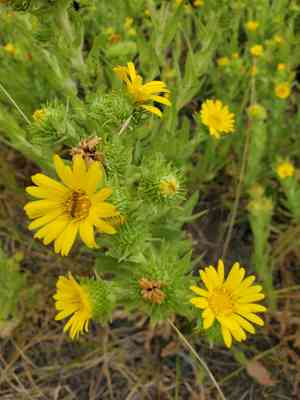
The ideal period for relocating puget sound gumweed is from the vigor of late spring through early summer. Choose a bright spot with soil that drains effectively to guarantee puget sound gumweed flourishes. Careful manipulation during this phase aids in a seamless adjustment.
What Preparations are Needed Before Transplanting Puget Sound Gumweed?
What is the Ideal Time for Transplanting Puget Sound Gumweed?
The perfect time to move puget sound gumweed is at the start of its blooming season â from late spring through early summer. This period aligns with puget sound gumweed's natural growth, promoting strong root development in the warm, mild soil after spring. It allows puget sound gumweed to get established before the peak summer heat, ensuring it's ready to flourish. By transplanting puget sound gumweed during this optimal window, you provide it with the smoothest transition, supported by nature for a healthy, thriving future.
How Much Space Should You Leave Between Puget Sound Gumweed Plants?
Greetings, new gardeners! Before placing your puget sound gumweed in its new spot, ensure ample room for growth. Aim for approximately 18-24 inches (45-60 cm) between each plant. This spacing will provide them sufficient area to develop robustly without competing for nutrients or sunlight.
What is the Best Soil Mix for Puget Sound Gumweed Transplanting?
For your puget sound gumweed, you'll want to prepare an ideal environment! Opt for soil that drains well to keep its roots content. Incorporating a balanced, slow-release fertilizer into the soil will supply your puget sound gumweed with the necessary nutrients to thrive. Consider it a welcoming feast for your new green companions!
Where Should You Relocate Your Puget Sound Gumweed?
Sun-loving plants, take note! Select a bright location for your puget sound gumweed, where it can enjoy full sunlight for most of the day. This spot should receive at least 6 hours of direct sunlight daily, guaranteeing your puget sound gumweed will radiate health and vitality!
What Equipments Should You Prepare Before Transplantation Puget Sound Gumweed?
Gardening Gloves
To safeguard your hands while handling soil and plants.
Spade or Shovel
For excavating the puget sound gumweed from its original site and preparing the new hole.
Hand Trowel
For more precise tasks and minor adjustments around the root system.
Wheelbarrow or Garden Cart
To transport the puget sound gumweed and soil without stressing the plant.
Watering Can or Hose
To hydrate the puget sound gumweed both before and after the transplanting process.
Pruning Shears
To trim any dead or excessively long roots prior to transplanting.
Mulch
To apply around the base of the puget sound gumweed post-transplant to help retain moisture.
How Do You Remove Puget Sound Gumweed from the Soil?
How Do You Remove Puget Sound Gumweed from the Soil?
From Ground: First, moisten the soil around the puget sound gumweed. Then, dig a wide trench around the plant using a spade or shovel, carefully preserving its root ball. Gently work the tool beneath the root ball to lift the plant from its original spot.From Pot: Water the puget sound gumweed thoroughly before beginning the removal. Turn the pot on its side and gently tap the base to loosen the root ball. Carefully slide the puget sound gumweed out, keeping the roots and soil structure intact.From Seedling Tray: Water the seedlings before transplanting. Use a hand trowel or planting dibble to extract the puget sound gumweed from the tray, being careful not to disturb the roots. Handle the plant by its leaves or root ball, not the stem.
Step-by-Step Guide for Transplanting Puget Sound Gumweed
Preparation
Gather all necessary tools and materials before commencing. Ensure the puget sound gumweed is well-hydrated to minimize stress during the process.
Root Pruning
Use pruning shears to trim any damaged or overly long roots, which will encourage new growth and reduce transplant shock.
Hole Digging
Excavate a hole in the new location that is twice the width of the root ball and equal in depth to ensure the puget sound gumweed is planted at its previous level.
Placement
Carefully position the puget sound gumweed in the center of the new hole, spreading its roots outwards. Backfill the hole with soil, gently firming it down to eliminate air pockets.
Watering
Water the puget sound gumweed immediately after transplanting to settle the soil around the roots and provide crucial moisture.
Mulching
Apply a layer of mulch around the base of the puget sound gumweed, without touching the stem, to help conserve moisture and regulate soil temperature.
How Do You Care For Puget Sound Gumweed After Transplanting?
Regular Monitoring
Inspect the puget sound gumweed daily, looking for signs of transplant shock, such as wilting or discolored leaves, and address issues promptly.
Gradual Sun Exposure
If the puget sound gumweed was previously in a shadier spot, slowly introduce it to more sunlight to prevent stress.
Staking Support
Provide support with stakes if the puget sound gumweed appears unstable or is exposed to strong winds.
Additional Watering
Ensure the puget sound gumweed receives consistent moisture, especially during the initial weeks, to aid root establishment in the new location.
Protecting from Pests
Watch for pests or diseases and treat them quickly to prevent them from exploiting the puget sound gumweed's vulnerable state.
Troubleshooting Common Issues with Puget Sound Gumweed Transplantation.
When is the best time to transplant puget sound gumweed?
The optimal period for transplanting puget sound gumweed is during the mild conditions of late spring to early summer.
What spacing is needed between puget sound gumweed plants?
For puget sound gumweed to flourish, allow them adequate room with a spacing of 18-24 inches (45-60 cm).
How deep should the transplant hole for puget sound gumweed be?
Dig a suitable hole for puget sound gumweed that matches the root ball's depth, but is twice its width.
What is the ideal soil condition for puget sound gumweed transplantation?
Puget sound gumweed prefers well-draining soil, enriched with organic matter to support its roots.
How should I water puget sound gumweed after transplanting?
After placing puget sound gumweed, water generously to ease its transition, then maintain consistent moisture levels.
Does puget sound gumweed require full sunlight after transplanting?
Yes, puget sound gumweed thrives in full sunlight. Ensure its new location receives ample rays.
Can puget sound gumweed tolerate frost after being transplanted?
Exercise caution with frost; puget sound gumweed is best transplanted once the risk of frost has passed.
Should I use fertilizer right after transplanting puget sound gumweed?
Refrain from fertilizing immediately. Allow puget sound gumweed to settle for 4-6 weeks before applying any nutrients.
Why are the leaves of my transplanted puget sound gumweed wilting?
Wilting may indicate stress from dry soil or shock. Keep the soil moist and avoid direct, intense sun immediately after transplanting.
How can I protect puget sound gumweed during a heatwave after transplanting?
Provide a shade cloth to shield puget sound gumweed and ensure the soil remains sufficiently moist.



