How Much Sunlight Do Puget sound gumweed Need?
1
Puget sound gumweed flourishes optimally in bright sunlight, receiving a minimum of 6 hours of direct sun each day.
2
While this plant can endure some dappled light, its bloom production might be less prolific.
3
Observing light conditions and seasonal shifts is vital for sustaining robust development.
Optimal Light Conditions for Puget Sound Gumweed
Full Sun Requirements
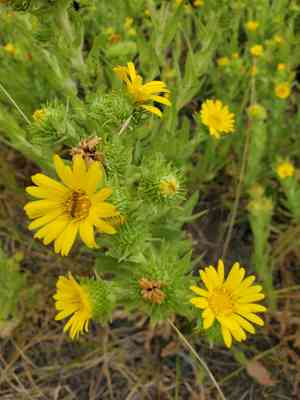
A primary necessity for Puget Sound gumweed is ample sun exposure. This hardy plant thrives when it gets at least six hours of direct sunlight daily. Full sun promotes the development of its characteristic yellow, daisy-like flowers and ensures vigorous growth. If your garden or planting area receives continuous light throughout the day, it will greatly benefit the health and growth of your Puget Sound gumweed.
Partial Shade Tolerances
While Puget Sound gumweed prefers full sun, it can also endure some partial shade. However, it's important to note that excessive shade might reduce the plant's flowering capacity and overall vigor. If your planting area has occasional filtered sunlight or gets afternoon shade, your Puget Sound gumweed can adapt, though you might observe fewer blossoms. Aim for spots where the plant still receives several hours of direct sunlight, especially in the morning.
Sunlight Duration and Intensity
Understanding the length and strength of sunlight is vital for the best growth of Puget Sound gumweed. Ideally, the plant should receive a minimum of six hours of direct sunlight daily. During more intense summer months, keeping the soil moist will help the plant withstand higher temperatures. Conversely, during shorter daylight periods in spring or autumn, it's crucial to maximize available sunlight by avoiding shadows from structures or taller plants.
Best Locations to Plant Puget Sound Gumweed
Garden Settings
Puget Sound gumweed looks stunning when planted directly in garden beds. Choose a spot that receives full sun for most of the day. Garden locations with good air circulation and well-draining soil will help your plant flourish. When planted in garden beds, this plant can serve as a focal point with its vibrant yellow blooms or be part of a mixed border to add color and texture.
Containers and Pots Placement
If you prefer container gardening, Puget Sound gumweed is also well-suited for pots and containers. Select large, deep pots that can hold enough soil to support the plant's root system. Place these containers in areas receiving abundant sunlight, such as balconies, patios, or sunny corners of your garden. Ensure the containers have drainage holes to prevent waterlogging, which can be harmful to the plant's health.
Indoor vs. Outdoor Locations
While Puget Sound gumweed can potentially be grown indoors, it is much more successful outdoors where it can receive natural sunlight. If grown indoors, position the plant near south or west-facing windows where it can get ample light. Supplementing with grow lights can mimic full sun conditions for indoor settings, but outdoor planting remains the best choice for robust growth.
How to Adjust Sunlight for Changing Seasons?
Winter Care Tips
During winter, sunlight intensity and duration decrease, requiring some adjustments in plant care. Puget Sound gumweed may enter a dormant phase or grow more slowly, but you should still ensure it receives as much light as possible. If planted in pots, consider moving them to sunnier spots or closer to windows that receive maximum daylight. Protecting the plant from extreme cold with appropriate mulching or moving it indoors temporarily can also be beneficial.
Summer Care Tips
In the summer, the longer days and more intense sunlight are ideal for Puget Sound gumweed. Ensure your plant has enough water to cope with the heat, as overexposure without adequate moisture can stress the plant. Water the plant early in the morning or late in the afternoon to minimize evaporation. Monitoring the plant during extremely hot days will help you prevent any sun-scorching, although Puget Sound gumweed is generally quite heat tolerant.
Spring and Autumn Sunlight Adjustments
In spring and autumn, fluctuating sunlight conditions can be a concern. During these seasons, keeping an eye on shifting light patterns is crucial. Ensure trees or buildings don't cast shadows over your Puget Sound gumweed for extended periods. Adjustments like moving containers slightly or pruning nearby plants blocking sunlight can help maintain consistent light exposure.
Signs Puget Sound Gumweed Needs More or Less Sun
Indicators of Sunlight Deficiency
Signs that your Puget Sound gumweed is not receiving enough sunlight include slow growth, elongated stems that appear to be stretching towards the light, and fewer or smaller blooms. The plant may also appear pale or have unusually small and thin leaves. If you notice these symptoms, consider relocating the plant to a sunnier spot or trimming obstructions.
Indicators of Excess Sunlight
Conversely, if Puget Sound gumweed is getting too much sunlight, it may exhibit signs of sunburn, which appear as brown or scorched patches on the leaves. The soil may also dry out too quickly, leading to a wilting or weakened plant. Providing occasional shade or increasing watering frequency can help mitigate these issues.
Corrective Measures
To correct insufficient sunlight, relocate the plant to a brighter location, whether it's by moving a potted plant or replanting it in the garden. For excess sunlight, consider using shade cloths or strategically placing taller plants to provide some relief during peak sunlight hours. Regularly monitoring your Puget Sound gumweed and adjusting its environment as needed will ensure it remains healthy and vibrant.



