How to Prune Puget sound gumweed?
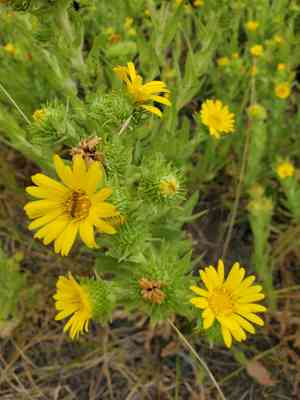
Originating from the western seaboard of North America, puget sound gumweed is a robust perennial plant recognized for its sticky blossoms. For best results, trim away faded flowers and seed pods to stimulate additional flowering and preserve the plant's form. Perform this trimming in late spring or during the summer, once the main bloom period has passed. Consistent trimming deters excessive growth and could amplify the plant's therapeutic qualities. Make sure cuts are clean to prevent illness and uphold puget sound gumweed's resilience.
Advantages of Trimming Puget Sound Gumweed
Advantages of Trimming Puget Sound Gumweed
Trimming puget sound gumweed encourages robust new development and assists in preserving the plant's desired form. This targeted removal of parts fosters a strong framework, ensuring puget sound gumweed stays healthy, appealing, and well-proportioned in its setting.
Optimal Period for Pruning Puget Sound Gumweed
Optimal Period for Pruning Puget Sound Gumweed
The ideal time to prune puget sound gumweed is in late winter or early spring, prior to the emergence of new growth. Pruning at this point allows puget sound gumweed to recover and produce vigorous growth once the active season begins. During this time, puget sound gumweed is still dormant, minimizing stress and enhancing its capacity to endure cuts and heal properly. Furthermore, removing dead or diseased branches in this window reduces the risk of pest infestations and fungal diseases, which are less active in cooler temperatures. Pruning puget sound gumweed before its rapid growth phase in late spring ensures the plant's energy is directed towards developing new, healthy shoots and blooms, resulting in a more robust and aesthetically pleasing specimen throughout its growing season.
Required Tools for Pruning Puget Sound Gumweed
Hand Pruners
Perfect for making clean cuts on puget sound gumweed's stems and smaller branches, especially bypass pruners which create a clean, healthy cut that will heal quickly.
Pruning Saw
Essential for puget sound gumweed when dealing with mature or woody stems too thick for hand pruners. This enables precise cutting without harming the plant.
Gloves
Offer protection for the gardener from puget sound gumweed's potential sap or rough stems.
Pruning Shears
Useful for shaping puget sound gumweed or for making quick, clean snips on thinner stems and foliage.
Loppers
Good for reaching into denser growth or for cutting thicker branches on puget sound gumweed, which may be too large for hand pruners to handle.
How to Prune Puget Sound Gumweed
Clean Tools
Before pruning puget sound gumweed, sterilize all pruning tools using a solution of 1 part bleach to 9 parts water to prevent the spread of diseases.
Remove Diseased Leaves
Trim all diseased leaves from puget sound gumweed by making clean cuts at the base of each leaf stem using sanitized pruning shears. Dispose of diseased foliage to reduce reinfection chances.
Prune Withered Leaves
Identify and prune withered leaves from puget sound gumweed to promote better air circulation and light penetration, which can lead to healthier growth. Cut these leaves at the base of their stem.
Cut Diseased Stems
Cut back any diseased stems on puget sound gumweed to the point of healthy tissue, ensuring a few millimeters into the healthy portion to remove all infected areas. Make cuts at a 45-degree angle to facilitate healing and water run-off.
Cleanup
After pruning, clean up all removed plant material from the area around puget sound gumweed to prevent the potential spread of disease and to maintain a tidy growing environment.
Common Pruning Errors with Puget Sound Gumweed
Overpruning
Removing too much foliage at once can stress puget sound gumweed, leading to reduced vigor and sparse flowering. Aim to remove no more than a third of the plant's size in any single pruning session.
Improper Cutting Technique
Cutting too close to the main stems or too far from the buds can damage puget sound gumweed. Make clean cuts just above leaf nodes or lateral branches.
Shearing
Using shears to shape puget sound gumweed like a formal hedge can result in a dense outer layer that prevents light and air from reaching the inner foliage, increasing the potential for disease.
Neglecting Deadheading
Failing to regularly remove spent flowers from puget sound gumweed can hinder new blooms and lead to a less vibrant display of flowers.
Ignoring Crossing Branches
Not addressing branches that rub against each other can cause wounds on puget sound gumweed that make it more susceptible to disease and pests.
General Pruning Advice for Puget Sound Gumweed
Selective Pruning
Use hand pruners to selectively cut back individual stems of puget sound gumweed rather than indiscriminately shearing. This promotes better air circulation and light penetration.
Deadheading
Regularly remove spent flowers from puget sound gumweed to encourage continuous blooming throughout the growing season.
Thinning
Thin out the center of puget sound gumweed by removing some of the older, interior growth. This will improve air circulation and reduce the risk of fungal infections.
Rejuvenation Pruning
If puget sound gumweed becomes woody and overgrown, it may benefit from rejuvenation pruning. Cut back old stems to a few inches above ground level to stimulate fresh, vigorous growth.
Maintaining Natural Shape
When pruning puget sound gumweed, strive to maintain its natural shape, which is beneficial for optimal growth and aesthetic appeal.



