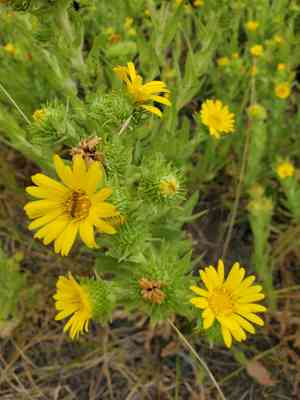
Puget sound gumweed (Grindelia integrifolia)
Also known as: Willamette Valley Gumweed, Gum Plant, Resinweed, Coastal gumweed
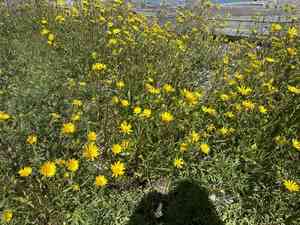
The plant you're thinking of is the Puget Sound gumweed (Grindelia integrifolia). This perennial thrives in salt marshes and meadows throughout the Pacific Northwest of North America. It blooms in the summer with striking yellow, daisy-like flowers, featuring both ray and disc florets. These blossoms offer essential late-season nectar and pollen for butterflies, bees, and other pollinators.
In This Article
Attributes of Puget sound gumweed
Lifespan
Perennial
Plant Type
Herb, Shrub
Plant Height
30 cm to 76 cm
Spread
75 cm
Leaf Color
Green
Flower Size
2.5 cm to 5 cm
Flower Color
Yellow
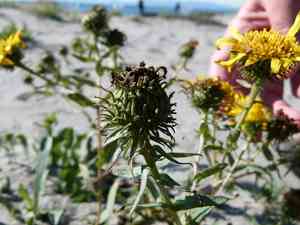
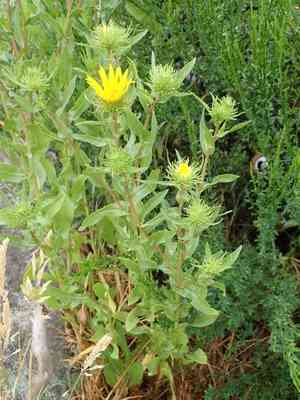
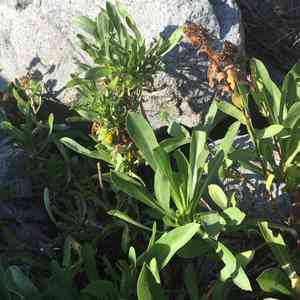
Images of Puget sound gumweed
Quickly Identify Puget sound gumweed
1
Grindelia integrifolia can be identified by its sticky, resin-coated leaves and stems, bright yellow composite flowers, and typically grows in coastal and disturbed areas. The leaves are lance-shaped with smooth margins, and the plant produces a strong resinous odor when crushed.
Scientific Classification of Puget sound gumweed
Phylum
Vascular plants
Class
Dicotyledons
Order
Asterales
Family
Daisy
Genus
Gumweed
Species
Puget sound gumweed
Planting and Growing of Puget sound gumweed
Care Difficulty
Easy
Watering Schedule
Every 4 days
Sunlight Requirements
Full sun
Sunshine Duration
6-10 hours
Ideal Temperature
60-75℉
Soil Type
Potting Mix, Peat Mix
Soil pH
6-7.5
Fertilizer Type
Balanced
Pruning Season
Spring, Summer
Pruning Area
Branches, Leaves
Pruning Frequency
2 times a year
Repotting Season
Spring
Pot Type
Plastic, Ceramic
 How to Water Puget sound gumweed?
Grindelia integrifolia requires a watering approach where the soil is evenly moist but not saturated. It's important to allow the top inch of the soil to dry out slightly between waterings. This prevents root rot while ensuring the plant receives adequate moisture for its needs.
What are the symptoms of an underwatered Puget sound gumweed?
›
What should I do if my Puget sound gumweed is not getting enough water?
›
What are the symptoms of an overwatered Puget sound gumweed?
›
How to save an overwatered Puget sound gumweed?
›
 What Are the Sunlight Requirements for Puget sound gumweed?
Grindelia integrifolia ideally prospers under full sun conditions. Consistent sunlight will enhance its blooming potential, vibrant colors, and overall plant vigor.
More About Sunlight Requirements Techniques→
Optimal Light Exposure
›
Obtaining Ideal Light Conditions
›
Benefits of Ideal Light
›
 What Is the Ideal Temperature Range for Puget sound gumweed?
The ideal temperature range for Grindelia integrifolia is between 60°F and 75°F. This range provides the optimal balance of warmth and coolness necessary for the plant's metabolic activities and photosynthesis. Maintaining temperatures within this range is crucial for maximizing growth and flowering.
 What Soil is Best for Puget sound gumweed?
Grindelia integrifolia thrives in well-drained soils that prevent waterlogging, which could lead to root rot. This is crucial for promoting healthy root development and overall plant vitality. It prefers soils with moderate fertility. Too much fertility can lead to excessive foliage growth with minimal flowering, hindering its natural attractive blooms. Maintaining a soil pH between 6.0 and 7.5 ensures optimal nutrient availability, which enhances the plant's ability to absorb essential elements for robust growth.
 How to Fertilize Puget sound gumweed?
Grindelia integrifolia benefits from a balanced fertilizer approach. For liquid fertilizers, use a solution diluted to half strength to prevent overfeeding. Apply approximately 250ml per plant during the growing season. For slow-release fertilizers, opt for a formula with an N-P-K ratio of 5-10-5, applying sparingly as instructed by the product label.
 How to Prune Puget sound gumweed?
Always prune to maintain the plant’s natural shape. Avoid cutting too close to the buds to preserve the form and prevent harming the plant, ensuring cuts are clean to encourage quick healing. While regular pruning is beneficial, excessive trimming can stress the plant. Ensure you retain enough foliage to maintain photosynthetic efficiency, balancing both growth and energy. Ensure your tools are clean and sharp. Dull or dirty tools can cause ragged cuts or introduce diseases. Sterilize tools before use, especially when dealing with sick plants, to reduce the risk of spreading pathogens.
More About Pruning Techniques→
 How to Propagate Puget sound gumweed plant?
1
To propagate Grindelia integrifolia from seeds, first collect mature seeds from dried flower heads. Clean the seeds and store them in a cool, dry place until you are ready to plant in early spring.
2
Select healthy, non-flowering stems for cuttings, approximately 4-6 inches long. Using sterilized shears, make a clean cut just below a node, and remove the lower leaves to expose the stem.
3
In the early spring, dig up mature Grindelia integrifolia plants. Gently separate the root clumps into smaller sections, ensuring each division has a healthy root system and foliage.
 How to Repot Puget sound gumweed plant?
1
Repotting Grindelia integrifolia becomes necessary when you observe its roots growing through the drainage holes, indicating that the plant has outgrown its current container. Other signs include slow growth and soil that dries out rapidly after watering. These cues suggest that the plant requires more space to thrive and continue its development.
2
Selecting an appropriate pot for Grindelia integrifolia involves choosing one that is only a few inches larger in diameter than the current pot. The new pot should have multiple drainage holes to prevent waterlogging, which can lead to root rot. The material of the pot, preferably terracotta, enhances breathability and wicks away excess moisture, maintaining a balanced root environment.
3
The ideal soil for repotting Grindelia integrifolia is a well-draining sandy mix, enriched with organic matter to provide nutrients. Sandy soil ensures proper drainage, preventing the roots from sitting in water, which is crucial for plant health. Incorporating organic material supports the plant's nutritional needs, promoting robust growth and blooms.
Learn More About Puget sound gumweed Diseases
Anthracnose
Bacterial Leaf Spot
Bacterial Soft Rot
Bacterial Wilt
Black Spot
Chemical Injury
Crown Gall
Cyst Nematode
Damping-off
Downy Mildew
Drought Stress
Fusarium Wilt
Gray Mold
Leaf Spot
Mosaic
Nutrient Deficiency
Nutrient Toxicity
Powdery Mildew
Root Rot
Root-knot Nematode
Rusts
Sooty Mold
Spider Mites
Temperature Stress
Thrips Damage
White Mold



