How to Transplant Japanese honey locust?
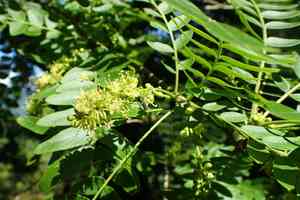
Japanese honey locust transplantation flourishes when performed in the mild period of late spring to early summer, allowing for root development before colder months. Choose locations that receive ample sunlight and possess soil with good drainage. Careful treatment of the root system during this procedure is advantageous.
What Preparations are Needed Before Transplanting Japanese Honey Locust?
What is the Ideal Time for Transplanting Japanese Honey Locust?
The optimal period for relocating japanese honey locust is during the mild warmth of mid-spring through early summer. This timing allows roots to establish prior to winter. Moving japanese honey locust within this timeframe encourages vigorous growth, as the soil is warm and receptive, promoting root development. You'll find japanese honey locust flourishes best with this initial advantage. Remember, the success of japanese honey locust begins with the attention given during these vital growth months!
How Much Space Should You Leave Between Japanese Honey Locust Plants?
When planning to transplant your japanese honey locust, aim for ample spacing to accommodate future growth. Position each one approximately 25-35ft (7.6-10.7m) apart. This ensures they have sufficient room to mature and expand without becoming overcrowded.
What is the Best Soil Mix for Japanese Honey Locust Transplanting?
Before transplanting japanese honey locust, enrich the soil with aged compost or a balanced, slow-release fertilizer to establish a nutrient-rich base. A well-draining loamy soil is perfect for encouraging robust root growth.
Where Should You Relocate Your Japanese Honey Locust?
Select a sunny location for your japanese honey locust as they thrive best with full sun exposure. Ensure the area receives at least 6-8 hours of direct light daily, which supports maximum growth and development.
What Equipments Should You Prepare Before Transplantation Japanese Honey Locust?
Gardening Gloves
To safeguard your hands while handling soil and plants.
Shovel or Spade
For excavating the plant and its surrounding earth.
Pruning Shears
To trim roots or branches as needed.
Bypass Loppers
For cutting through thicker branches.
Wheelbarrow or Garden Cart
To move the plant and soil.
Watering Can or Hose
To hydrate the plant before and after relocation.
Tarp or Burlap
To contain the root ball and keep it intact during transit.
Plant Supports (optional)
To provide stability to japanese honey locust after transplanting.
How Do You Remove Japanese Honey Locust from the Soil?
How Do You Remove Japanese Honey Locust from the Soil?
From Ground: First, moisten japanese honey locust to dampen the soil. Then, dig a wide trench around the plant using a shovel or spade, ensuring the root ball remains whole. Gently work the spade beneath the root ball to lift the plant from its original spot.From Pot: Water japanese honey locust thoroughly. Invert the pot onto its side and tap the edges to loosen the soil. Carefully slide the plant out, supporting the root ball with your hands.From Seedling Tray: Water the seedlings well. Use a spoon or dibber to carefully extract the seedling, taking care to support the root system to prevent damage.
Step-by-Step Guide for Transplanting Japanese Honey Locust
Preparation
Hold japanese honey locust at its base and gently remove any dead leaves or debris before transplanting to encourage healthy growth post-transplant. Ensure all necessary tools and supports are ready before starting the transplant process. Prepare your new planting site by clearing weeds and debris and slightly moistening the soil. It should be prepared to receive the root ball of japanese honey locust. Avoid prolonged exposure of the roots to air by having the new site ready beforehand. Carefully transport japanese honey locust to the new location, minimizing any jarring or shaking movements to protect the roots. Position japanese honey locust in the new spot, centering it in the hole and ensuring it stands at the same depth as it grew previously. Backfill the hole with the removed soil, gently firming around the root ball to secure japanese honey locust and eliminate air pockets. Stabilize japanese honey locust by providing support if necessary, using plant supports or staking if the plant is top-heavy or the site is exposed to strong winds. Conclude the transplanting process by watering japanese honey locust thoroughly, ensuring water penetrates deep into the root zone to promote good root contact with the surrounding soil.
Placement
Position japanese honey locust in its new spot, centering it within the hole and ensuring it sits at the same depth as its previous growth. Backfill the hole with the excavated soil, gently firming around the root ball to secure japanese honey locust and remove any air pockets.
Stabilization
Stabilize japanese honey locust by offering support if needed, utilizing plant supports or staking if the plant is top-heavy or the location experiences strong winds.
Finalizing Transplant
Complete the transplanting process by thoroughly watering japanese honey locust, ensuring the water reaches deep into the root zone to encourage good root contact with the surrounding soil.
How Do You Care For Japanese Honey Locust After Transplanting?
Staking
If japanese honey locust is tall or top-heavy, consider staking it to prevent wind damage and provide support until a strong root system is established.
Mulching
Apply a layer of organic mulch around japanese honey locust to retain moisture, regulate soil temperature, and reduce weed competition, ensuring it doesn't touch the stem or trunk to prevent rot.
Pruning
Prune any damaged or broken branches to encourage healthy growth and improve air circulation. This will help japanese honey locust recover more quickly from transplant shock.
Monitoring
Regularly observe japanese honey locust for signs of transplant shock, which may appear as wilting, leaf drop, or discoloration. If these symptoms are present, ensure watering and support needs are being met.
Regular Watering
Establish a consistent watering schedule, allowing the soil to remain moist but not waterlogged, especially in the crucial weeks following transplantation for the establishment of japanese honey locust.
Troubleshooting Common Issues with Japanese Honey Locust Transplantation.
What's the optimal time of year to transplant japanese honey locust?
The best time is late spring to early summer for root establishment before cold weather.
How far apart should I space japanese honey locust when transplanting?
Aim for a generous distance of 25-35 feet (7.6-10.7 meters) between each japanese honey locust to ensure ample growth space.
What should I do if japanese honey locust wilts after transplanting?
Ensure it receives sufficient water. Mulching and temporary shade can also aid its recovery.
How can I tell if my japanese honey locust has transplant shock?
Symptoms include wilting, yellowing leaves, and stunted growth. Consistent care will help it recover.
How deep should the hole be when transplanting japanese honey locust?
Dig a hole as deep as the root ball, but twice as wide to promote root spread.
Can I prune japanese honey locust when transplanting it?
Light pruning is acceptable to remove damaged parts, but avoid heavy pruning until the next season.
How often should I water japanese honey locust after transplanting?
Water deeply after transplanting, then regularly until established. Avoid letting the soil completely dry out.
When should I fertilize japanese honey locust after transplanting?
Wait until japanese honey locust has established itself, typically one growing season, before applying fertilizer.
Is there a specific soil type preferred for transplanting japanese honey locust?
Well-draining soil is ideal; amend heavy clay or sandy soils to improve structure and nutrients.
Should I use root stimulators when transplanting japanese honey locust?
Root stimulators can assist in root development, but they are not essential. Good planting practices are key.



