How to Prune Japanese honey locust?
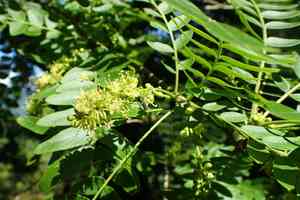
Hailing from Japan, this deciduous tree is distinguished by its expansive growth pattern and delicate, compound foliage. For japanese honey locust, trimming should prioritize the elimination of deceased or compromised limbs, reducing the density of the canopy to facilitate light penetration and air movement, and preserving its form. The most opportune time for pruning is in late winter or early spring prior to the emergence of new shoots. Care should be taken to prevent excessive removal of material, which could cause stress to japanese honey locust. Advantages of proper pruning encompass heightened vitality, increased fruit yield, and protection against ailments and infestations.
What Are the Benefits of Pruning Japanese Honey Locust?
What Are the Benefits of Pruning Japanese Honey Locust?
Trimming japanese honey locust promotes robust development and helps maintain its desired form. This practice fosters a sturdy framework, enhances tree vitality, and can improve the plant's visual appeal.
What Is the Best Time for Pruning Japanese Honey Locust?
What Is the Best Time for Pruning Japanese Honey Locust?
Pruning japanese honey locust in late winter and early spring aligns with its dormant phase before new growth emerges. This timing allows for shaping the tree without causing stress during its active growth period. It also minimizes the chance of disease and pest infestation that can occur from pruning wounds in warmer seasons. Furthermore, the tree's structure is more visible without leaves, enabling more precise cuts. Pruning before the spring growth spurt ensures quick wound healing, directing the plant's energy towards new growth and recovery, rather than supporting unnecessary branches. This schedule also avoids disrupting japanese honey locust's flowering or fruiting cycles, which typically happen in late spring or early summer.
What Tools Do I Need to Prune Japanese Honey Locust?
Bypass Pruners
Essential for making clean cuts on the smaller branches of japanese honey locust, bypass pruners are ideal due to their sharp, scissor-like design that allows for precise cutting without crushing plant tissues.
Loppers
Given the potential thickness of japanese honey locust's branches, loppers provide the necessary leverage and cutting power for branches that are too thick for bypass pruners, up to about 1.5 to 2 inches in diameter.
Pruning Saw
For mature japanese honey locust with thicker branches, a pruning saw is necessary for cutting branches over 2 inches in diameter. Its serrated blade can handle the dense wood of japanese honey locust.
Pole Pruner
As japanese honey locust can grow tall, a pole pruner is recommended to safely trim higher branches without the need for a ladder, ensuring a reach of branches at greater heights.
Hedge Shears
For shaping and maintaining the overall form of japanese honey locust, hedge shears are suitable for trimming thin twigs and foliage, especially for hedges or if japanese honey locust is grown in a dense planting.
How to Prune Japanese Honey Locust
Identify
Examine japanese honey locust for branches that are dead, diseased, or damaged; these are typically dry, lack leaves, and may have discolored bark or wood.
Sterilize
Before cutting, sanitize your pruning tools with alcohol or a bleach solution to prevent the spread of pathogens.
Cutting Technique
When removing dead or diseased branches from japanese honey locust, use clean, sharp tools to make cuts at a slight angle, just above a bud or branch joint, ensuring not to damage the collarâthe swollen area at the base of the branch.
Disposal
Properly dispose of removed branches from japanese honey locust, either by burning or removing them off-site, to minimize the risk of disease spread.
Wound Treatment
Do not apply wound sealant after cutting; japanese honey locust can heal naturally if the cuts are made correctly, which reduces the risk of disease.
Common Pruning Mistakes with Japanese Honey Locust
Overpruning
A common error is removing too much foliage at once, which can stress japanese honey locust and impede its growth. It's crucial to prune no more than one-third of the canopy in a single session.
Improper Cuts
Making cuts too close or too far from the main branch can result in poor healing and can lead to disease entry. Cut just outside the branch collar without leaving a stub.
Topping
Cutting the top of japanese honey locust to reduce its height disrupts the natural growth pattern and can weaken the structure, leading to unsafe conditions and potential for decay.
Neglecting Tools
Using dull, dirty, or inappropriate tools can cause damage to the branches of japanese honey locust and increase the risk of disease.
Ignorance Of Structure
Failing to understand the natural form of japanese honey locust can lead to a poor pruning strategy that affects the aesthetic and health of the plant.
Common Pruning Tips for Japanese Honey Locust
Clean Cuts
Ensure that cuts are made with clean, sharp tools to prevent tearing the bark and to promote better healing.
Selective Thinning
Focus on thinning out crowded branches to improve air circulation and light penetration, which is crucial for the overall health of japanese honey locust.
Remove Deadwood
Regularly remove dead, diseased, or damaged branches to prevent decay organisms from infecting japanese honey locust.
Maintain Health
Prune japanese honey locust with the goal of maintaining its health and natural form, rather than altering its shape significantly.
Sapling Training
For young japanese honey locust, prune to establish a strong central leader and well-placed lateral branches during the formative years.



