Enhancing Your Garden Design with the Japanese honey locust Plant: A Landscaping Guide
1
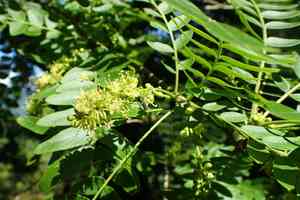
The Japanese honey locust presents distinctive leaves, enhancing any garden aesthetic.
2
Its changing leaf colors throughout the seasons offer continuous visual interest.
3
This tree benefits local fauna and purifies the air, making it an environmentally sound option.
Grasping the Aesthetic Contribution of Japanese honey locust
Distinctive Foliage: Advantages of Japanese honey locust leaves in garden design
The leaves of Japanese honey locust are recognized for their delicate, fern-like appearance, which introduces grace and texture to any outdoor space. The leaves are typically pinnate, forming a light, airy canopy that can complement various other plants. This unique foliage can act as an attractive backdrop or a central element in your landscape plan, adding a layer of visual appeal. Its capacity to offer filtered shade also makes it a versatile option for diverse garden environments.
Seasonal Hue Changes: How Japanese honey locust adapts through the year
Japanese honey locust provides striking seasonal color shifts that keep your garden vibrant throughout the year. In spring, the leaves emerge a fresh, pale green that deepens as summer progresses. By autumn, the foliage transforms to golden yellow, creating a spectacular fall display. This seasonal adaptability ensures your landscape remains visually engaging, regardless of the time of year. These color changes can also help indicate seasonal transitions, adding a dynamic aspect to your garden.
Structural Allure: Japanese honey locust's architectural contributions to garden areas
Beyond its leaves and color, Japanese honey locust brings architectural beauty to garden spaces. Its branches exhibit an elegant, arching form that adds vertical interest and enhances the overall layout of your landscape. The tree's shape can establish focal points or serve as natural garden dividers. Its sculptural qualities can make it a foundational plant in any setting, offering not just organic beauty but also a strong structural presence that can elevate your garden's aesthetic.
Garden Layout with Japanese honey locust
Physical Expansion: Understanding the growth habits of Japanese honey locust
Japanese honey locust is a medium to large-sized tree that demands careful consideration regarding its placement. When mature, it can spread its branches widely, forming a canopy that provides ample shade. It's crucial to account for this growth pattern when planting Japanese honey locust to ensure it has sufficient room to develop fully without crowding other plants. Proper spacing also guarantees the tree receives adequate sunlight and air circulation, contributing to its overall health and longevity.
Companion Planting: Ideal partners for Japanese honey locust in your yard
Pairing Japanese honey locust with compatible plants can maximize its visual and ecological advantages. Excellent companions include ground covers and low-growing shrubs that thrive in partial shade, which Japanese honey locust provides. Plants like hostas, ferns, and astilbe are superb choices that complement Japanese honey locust's aesthetic while boosting the garden's biodiversity. Consider plants that bloom at different times of the year to create a continuously evolving garden landscape that remains attractive across seasons.
Integrating Japanese honey locust in Compact vs Expansive Areas
While Japanese honey locust is typically found in larger landscapes, it can also be incorporated into smaller spaces with thoughtful planning. In extensive gardens, Japanese honey locust can function as a centerpiece or as part of a larger cluster of trees. For smaller yards, consider using younger, smaller trees or even dwarf varieties that fit the space constraints while still offering many of the same aesthetic and ecological benefits. Additionally, strategic pruning can help manage the tree's size and shape, making it suitable for various garden scales.
Optimizing Ecological Advantages with Japanese honey locust
Attracting Wildlife: How Japanese honey locust supports local creatures
Japanese honey locust is not merely a visual asset but also an ecological one, drawing various forms of wildlife to your garden. Its flowers are a food source for beneficial insects like bees and butterflies, while its seeds can attract birds and small mammals. By planting Japanese honey locust, you contribute to the local ecosystem, providing habitats and sustenance for wildlife. This can increase your garden's biodiversity, making it a more vibrant and lively outdoor space.
Improving Air Quality: The role of Japanese honey locust in urban settings
In urban environments, Japanese honey locust plays a vital role in enhancing air quality. The tree's foliage helps filter pollutants from the air, providing cleaner, fresher air for you and your neighbors. Its capacity to sequester carbon also contributes to mitigating the effects of climate change. This makes Japanese honey locust an excellent choice for city gardens or public green spaces where air quality is a concern. Planting Japanese honey locust can be a small but significant step toward creating a healthier urban environment.
Japanese honey locust's Influence on Soil Vitality
Japanese honey locust can significantly improve soil health in your garden. Its root system helps stabilize the soil, reducing erosion and promoting water absorption. The tree also adds organic matter to the soil through leaf litter, enriching it with essential nutrients. This can enhance the growth conditions for other plants in your garden, creating a more resilient and productive landscape. By incorporating Japanese honey locust, you're investing in the long-term health of your garden's soil.
Practical Advice for Incorporating Japanese honey locust in Your Landscaping Projects
Placement Strategy: Where to plant Japanese honey locust for optimal visual appeal
When deciding where to plant Japanese honey locust, consider its visual impact and the overall design of your garden. Place Japanese honey locust where it can serve as a focal point or where its shade can benefit other plants. It's also crucial to consider its mature size to ensure it has ample space to grow without becoming cramped or overshadowing other garden elements. Strategic placement can maximize the tree’s aesthetics and functionality, enhancing the overall cohesiveness of your landscape design.
Maintenance Overview: Essential care guidelines for Japanese honey locust
Caring for Japanese honey locust is relatively straightforward. Ensure it receives sufficient water, especially during dry periods in its early years. Pruning should be performed to maintain its shape and remove any dead or diseased branches. While Japanese honey locust is generally low-maintenance, regular checks for pests and diseases can help keep it healthy. Mulching around the base can help retain moisture and suppress weeds, further promoting its growth.
Long-term Advantages: Assessing the durability and sustainability of using Japanese honey locust
Investing in Japanese honey locust offers long-term benefits both aesthetically and environmentally. Its visual charm, combined with its ecological contributions, makes it a sustainable choice for any landscape. Japanese honey locust is known for its resilience and longevity, often thriving for many decades with proper care. By integrating Japanese honey locust, you not only enhance your garden's beauty but also contribute to a more sustainable and eco-friendly environment.



