How to Transplant Sticky geranium?
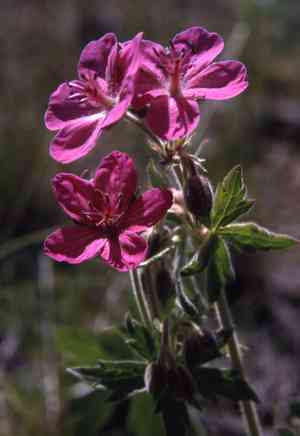
The ideal period for transplanting sticky geranium is in late summer, as cooler weather assists root development without intense heat. Select a spot that receives full sun or partial shade, making sure the soil is damp and drains effectively for your sticky geranium. Be sure to preserve the soil's structure throughout the move to encourage a smooth adjustment.
What Preparations are Needed Before Transplanting Sticky Geranium?
What is the Ideal Time for Transplanting Sticky Geranium?
The height of summer's warmth or as the intense sun begins to soften is optimal for relocating sticky geranium. This period, typically mid to late summer, allows sticky geranium's root system to settle in the warm earth while cooler evenings promote vigorous development. Moving sticky geranium at this time leverages summer's energy and the arrival of autumn's mild conditions, creating an ideal balance for root establishment and adaptation. A friendly reminder: your sticky geranium will appreciate the summer transition with lush growth and vitality!
How Much Space Should You Leave Between Sticky Geranium Plants?
Firstly, when arranging sticky geranium, ensure each plant is positioned approximately 1-2 feet (30-60 cm) apart. This is crucial to provide ample room for their development without competing for sunlight, moisture, or nutrients.
What is the Best Soil Mix for Sticky Geranium Transplanting?
Next, prepare the growing medium. Sticky geranium thrives in well-drained soil enriched with a generous amount of compost or organic material. Begin with a foundational fertilizer, such as a balanced, slow-release granular product, to supply essential nutrients for growth.
Where Should You Relocate Your Sticky Geranium?
Finally, select the appropriate site. Sticky geranium prefers full sun to partial shade, so locate a spot in your garden where it will receive about 6 hours of sunlight daily. Adjust based on the intensity of local solar exposure.
What Equipments Should You Prepare Before Transplantation Sticky Geranium?
Gardening Gloves
To safeguard your hands from dirt and prevent injuries when handling sharp tools and the plant itself.
Gardening Shovel
To excavate the planting hole and extract the sticky geranium from its original spot.
Watering Can
To hydrate the plant before and after the relocation process.
WheelBarrow or Planting Tray
To transport the sticky geranium from its former location to the new one without causing damage.
Garden Knife
To assist in trimming any damaged roots or foliage from the plant.
Organic Matter (like compost)
To enrich the soil at the new site for a more successful transplant.
How Do You Remove Sticky Geranium from the Soil?
How Do You Remove Sticky Geranium from the Soil?
From Ground: Prior to beginning, moisten the sticky geranium plant until the ground is damp. This will facilitate easier removal of the plant without harming its roots. Using a garden shovel, dig a wide circle around the plant to keep the root system intact. Gently work the spade beneath the root ball, being careful not to damage the roots, and carefully lift the plant from the ground.From Pot: Water the plant as this will make it easier to extract. Tilt the pot sideways and, while supporting the sticky geranium with your hand, tap the rim of the pot against a firm surface. The plant, soil, and root system should slide out together. If the plant is stuck, you might need to run a garden knife along the inner edge of the pot to loosen it.From Seedling Tray: Water the tray thoroughly before starting. Use a broad, flat tool to lift the seedling sticky geranium by pushing up from the bottom of the cell. Handle the seedling by its leaves to avoid damaging the stem or roots.
Step-by-Step Guide for Transplanting Sticky Geranium
Digging the Hole
Excavate a hole at the new site that is roughly twice the width of the sticky geranium's root ball and deep enough so the sticky geranium will sit at the same level as it did previously.
Preparing the Hole
Incorporate some organic material, such as compost, into the hole to enrich the soil and aid the sticky geranium in establishing more successfully.
Placing the Plant
Gently position the sticky geranium in the center of the hole, spreading its roots outwards.
Backfilling the Hole
Refill the hole with soil, gently compacting it around the sticky geranium to eliminate any air pockets.
Watering
After backfilling, generously water the plant to settle the soil and facilitate contact between the roots and their new soil environment.
How Do You Care For Sticky Geranium After Transplanting?
Watering
Provide regular irrigation to the sticky geranium plant, especially during dry or hot periods. The plant will require more water in the initial days following transplantation.
Mulching
Apply a layer of mulch around the base of the sticky geranium, ensuring it doesn't touch the stem. This will help retain soil moisture and suppress weed growth.
Protection
Shield the sticky geranium from strong winds and harsh weather conditions for the first few weeks after transplanting. Utilize a plant cage or cover if necessary.
Weed Control
Monitor for weeds as they can compete with your sticky geranium for nutrients and water. Remove any that appear, making sure to extract their roots as well.
Troubleshooting Common Issues with Sticky Geranium Transplantation.
When is the best time to transplant sticky geranium?
The optimal period to transplant sticky geranium is during the S5-S6 season. Timely relocation can lead to robust development.
How much space is needed between sticky geranium plants?
For vigorous growth, maintain a separation of 1-2 feet, approximately 30-60 centimeters, between sticky geranium plants. This ensures ideal development.
Do I need to amend the soil before planting sticky geranium?
Indeed, enrich your soil with organic compost for a healthy sticky geranium. Nourish the soil to nourish your plant!
Is it necessary to prune sticky geranium before transplanting?
Trimming is not mandatory but is advised to encourage new growth. Cut back by a third for optimal outcomes!
How deep should I plant sticky geranium?
The transplanting depth for sticky geranium should match its previous depth. Aim for the root ball to be level with the ground surface.
Does sticky geranium handle transplantation shock well?
Sticky geranium exhibits moderate tolerance to transplantation shock. Consistent watering and proper care can minimize any potential setbacks.
What's the preferred sunlight exposure for sticky geranium after transplanting?
Sticky geranium thrives in full sun to partial shade. Ensure it receives 4-6 hours of sunlight daily for vibrant growth.
How often should I water newly transplanted sticky geranium?
Initially, water sticky geranium daily, then gradually decrease frequency as the plant establishes. Continuously check the soil moisture level.
What signs should I look for to know sticky geranium transplanting is successful?
New shoots and leaves indicate successful transplanting of sticky geranium. Vigorous growth is the primary sign of transplanting success.
What to do if sticky geranium wilts after transplanting?
If sticky geranium wilts post-transplanting, ensure it receives adequate water and shade. Transplanting can cause temporary wilting, but consistent care will aid its recovery.



