How to Overwinter Sticky geranium
1
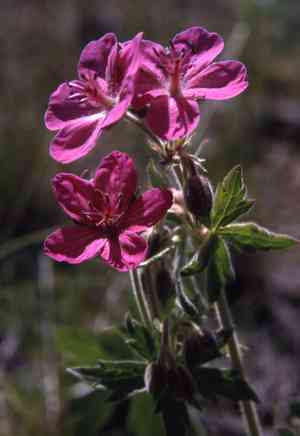
Sticky geranium can withstand minor frost but requires safeguarding in severe winter weather.
2
Trimming Sticky geranium prior to winter aids in disease prevention and promotes robust growth in spring.
3
Storing Sticky geranium in a cool, un-frozen location throughout winter is vital for its continued existence.
Why Overwintering Sticky geranium is Important?
Why Overwintering Sticky geranium is Important?
Overwintering your Sticky geranium ensures this lovely perennial survives cold periods and flourishes when warmth returns. While Sticky geraniums are generally robust, providing extra winter care can prevent frost damage, lower disease risk, and encourage strong spring growth. By properly overwintering, you can enjoy their beautiful blooms annually.
Essential Steps to Overwinter Sticky geranium
Inspecting the Plant
Before bringing your Sticky geranium indoors for winter, thoroughly check it for any pest or disease indicators. Look for yellow leaves, spots, or unusual growths. Addressing these issues early prevents spread and protects other indoor plants.
Pruning and Cleaning
Trim your Sticky geranium to about one-third its size before moving it inside. This helps reduce disease risk and makes the plant more manageable. Remove any dead or diseased foliage and dispose of it correctly. Clean the pot and soil surface to eliminate hidden pests.
Selecting the Right Location
Sticky geraniums require a cool, but frost-free, environment for successful overwintering. An ideal spot is a basement, garage, or cool room with temperatures between 7°C to 10°C (45°F to 50°F). Ensure adequate natural light, but avoid direct sunlight, which can stress the dormant plant.
Monitoring Conditions Throughout Winter
Throughout winter, it's vital to monitor the conditions where your Sticky geranium is kept. Check for mold or mildew and ensure the temperature remains stable and within the recommended range. Water sparingly â just enough to keep the soil barely moist, as overwatering can cause root rot.
Common Issues When Overwintering Sticky geranium
Dealing with Pests
Pest infestations can be a significant problem during overwintering. Regularly inspect your Sticky geranium and surrounding areas for aphids, spider mites, or whiteflies. Use insecticidal soap or neem oil for treatment, following manufacturer's instructions carefully.
Managing Watering
Proper watering is one of the most critical aspects of overwintering Sticky geranium. Too much water can lead to root rot, while too little can cause the plant to dry out. Water only when the top inch of soil feels dry to the touch. Ensure the pot has good drainage to prevent waterlogging.
Preventing Mold and Mildew
Mold and mildew can thrive in the cool, damp conditions typical of an overwintering setup. Improve air circulation around your Sticky geranium by spacing out pots and possibly using a small fan. If mold appears, reduce watering and consider applying a mild fungicide.
How to Transition Sticky geranium Back Outdoors
Timing the Move
Reintroduce your Sticky geranium to the outdoors after the risk of frost has passed in early spring. This is typically around late April to early May. By this time, the plant should show signs of new growth, indicating readiness for warmer conditions.
Gradual Acclimatization
Begin the acclimatization process by placing your Sticky geranium in a shaded outdoor area for a few hours daily, gradually increasing its outdoor time over 1-2 weeks. This helps the plant adjust to varying outdoor conditions like wind, sun, and temperature fluctuations, reducing transplant shock.



