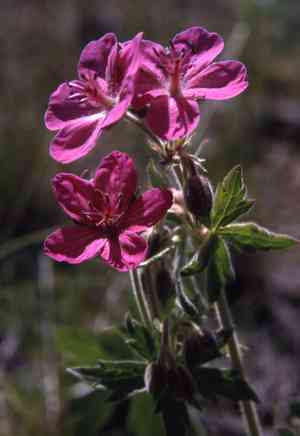
Sticky geranium (Geranium viscosissimum)
Also known as: Sticky cranesbill
Sticky geranium (Geranium viscosissimum) is a perennial flowering plant originating from the northwestern United States. While it can trap and kill insects with its sticky surfaces, it lacks the ability to ingest and digest them. This plant is also commonly cultivated as an ornamental in gardens and nurseries.
In This Article
Attributes of Sticky geranium
Lifespan
Perennial, Annual
Plant Type
Herb
Plant Height
30 cm to 91 cm
Spread
20 cm
Leaf Color
Green Blue Red
Flower Size
2.5 cm to 5 cm
Flower Color
Purple White Pink Red
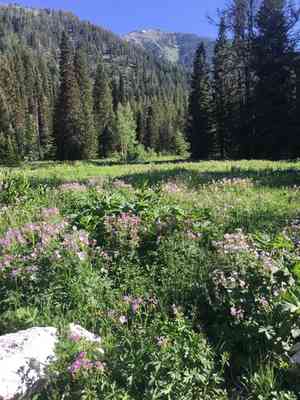
Images of Sticky geranium
Quickly Identify Sticky geranium
1
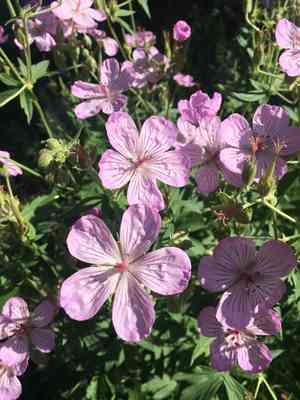
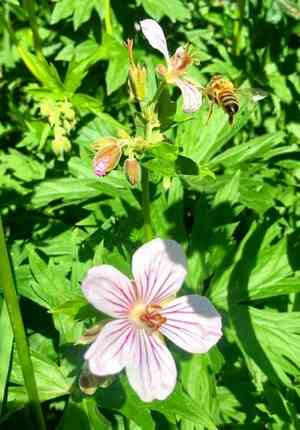
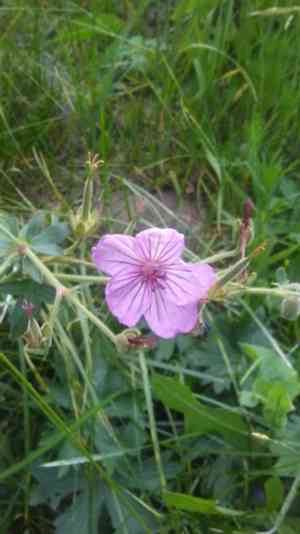
Look for glandular, sticky stems and leaves. The flowers are typically pink to purplish with five petals, and the leaves are deeply divided with multiple lobes. This plant can often be found in meadows, open forests, and grassy areas.
Scientific Classification of Sticky geranium
Phylum
Vascular plants
Class
Dicotyledons
Order
Geraniales
Family
Geranium
Genus
Geraniums
Species
Sticky geranium
Planting and Growing of Sticky geranium
Care Difficulty
Easy
Watering Schedule
Every 2 days
Sunlight Requirements
Partial sun
Sunshine Duration
4-8 hours
Ideal Temperature
55-75℉
Soil Type
Potting Mix, Peat Mix
Soil pH
6.5-7.5
Fertilizer Type
Balanced
Pruning Season
Spring, Summer
Pruning Area
Branches, Leaves
Pruning Frequency
2 times a year
Repotting Season
Spring
Pot Type
Plastic, Ceramic
 How to Water Sticky geranium?
For Geranium viscosissimum, the watering amount should be approximately 250 ml per session. Ensure that the soil is evenly moist but not waterlogged. Watering should be focused around the root zone to promote healthy growth and prevent the risk of root rot.
What are the symptoms of an underwatered Sticky geranium?
›
What should I do if my Sticky geranium is not getting enough water?
›
What are the symptoms of an overwatered Sticky geranium?
›
How to save an overwatered Sticky geranium?
›
 What Are the Sunlight Requirements for Sticky geranium?
Partial sun exposure is ideal, offering 4 to 6 hours of filtered sunlight. This range supports vigorous blooming and steady growth, leading to a healthy and robust plant appearance.
More About Sunlight Requirements Techniques→
How much light does Geranium viscosissimum need daily?
›
What is the ideal environment for this plant's light needs?
›
What benefits does ideal lighting offer Geranium viscosissimum?
›
 What Is the Ideal Temperature Range for Sticky geranium?
For optimal growth, Geranium viscosissimum thrives best within the temperature range of 55°F to 75°F. This range promotes healthy photosynthesis and metabolic functions, ensuring robust growth and vibrant blooms.
 What Soil is Best for Sticky geranium?
Geranium viscosissimum thrives in well-drained soils. Good drainage is crucial to prevent root rot and other moisture-related issues. Ensuring proper soil drainage helps the plant's roots access oxygen effectively, promoting healthier growth and vibrant blooms. This plant benefits from nutrient-rich soil that is enhanced with organic matter. The addition of compost or well-rotted manure can greatly improve soil fertility, providing essential nutrients and supporting the plant's flourishing growth and resilience against diseases. Geranium viscosissimum requires soil with moderate moisture levels. Consistent moisture without waterlogging supports steady growth and prevents stress on the plant, aiding in the development of strong stems and abundant, healthy flowers.
 How to Fertilize Sticky geranium?
For Geranium viscosissimum, moderation is key. Apply a diluted liquid fertilizer solution (1/4 strength) once per month during its growing season. This ensures the plant gets a steady nutrient supply without overwhelming its roots.
 How to Prune Sticky geranium?
Begin by examining the Geranium viscosissimum for any dead or discolored stems. Use your sharp tools to remove these sections, cutting back to healthy growth. Trim the plant back for size management and to maintain a pleasing shape. Cut just above a leaf node to promote new growth in the desired direction. Prune crowded or crossing stems to allow better air circulation through the plant. This helps prevent fungal diseases and promotes healthy, bushy growth.
More About Pruning Techniques→
 How to Propagate Sticky geranium plant?
1
Use a well-draining potting mix, ideally with peat and perlite, to ensure that both seeds and cuttings have the proper environment to take root.
2
Place the seeds on the soil surface and lightly cover them with a thin layer of potting mix. Keep the soil moist but not waterlogged to facilitate germination.
3
Cut a 4-6 inch healthy stem from the parent plant. Remove the lower leaves and dip the cutting end into a rooting hormone before placing it into the prepared soil.
 How to Repot Sticky geranium plant?
1
Geranium viscosissimum needs repotting when root-bound roots start circling inside the pot or water doesn't seem to penetrate the soil easily. Also, noticeable wilting or limited growth are signs it's ready for a new home.
2
Choose pots slightly larger than the current one, with ample drainage holes. Terracotta pots are typically ideal due to their breathability, helping to prevent root rot by allowing excess moisture to escape.
3
Opt for a well-draining, sandy or loamy mix. This type of soil supports necessary drainage, preventing waterlogging and root rot, while providing the roots with excellent aeration and nutrients.
Learn More About Sticky geranium Diseases
Anthracnose
Bacterial Leaf Spot
Bacterial Soft Rot
Bacterial Wilt
Black Spot
Chemical Injury
Crown Gall
Cyst Nematode
Damping-off
Downy Mildew
Drought Stress
Fusarium Wilt
Gray Mold
Leaf Curl
Leaf Spot
Mosaic
Nutrient Deficiency
Nutrient Toxicity
Powdery Mildew
Root Rot
Root-knot Nematode
Rusts
Sooty Mold
Spider Mites
Temperature Stress
Thrips Damage
White Mold



