How to Prune Sticky geranium?
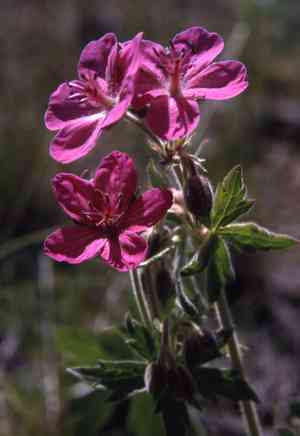
A robust perennial recognized for its adhesive, glandular trichomes and vivid flowers, sticky geranium flourishes with specific trimming. Remove deceased or injured stalks at any point; trim back following the initial flowering period to stimulate a subsequent bloom. Optimal pruning occurs from early spring through late summer, refraining from autumn pruning to safeguard nascent growth. Trimming boosts plant vitality and preserves an appealing form.
What Are the Benefits of Pruning Sticky Geranium?
What Are the Benefits of Pruning Sticky Geranium?
Trimming sticky geranium promotes robust development and helps maintain its desired form. Regular cutting eliminates old or overgrown stalks, ensuring proper air flow and light exposure, which are crucial for the vitality and appearance of sticky geranium.
What Is the Best Time for Pruning Sticky Geranium?
What Is the Best Time for Pruning Sticky Geranium?
Early spring is an ideal period to prune sticky geranium as the plant remains dormant, and removing sections will not disrupt active growth or the formation of flower buds. This timing allows for shaping and encourages a strong flush of new growth as temperatures rise. Pruning in late summer, soon after sticky geranium has finished its blooming cycle, is also effective. This redirects energy to root and foliage development instead of supporting spent flowers, leading to a healthier plant next season. It's important not to prune too late in autumn, as this can stimulate new growth that may not harden off before the first frosts, potentially harming the plant.
What Tools Do I Need to Prune Sticky Geranium?
Hand Pruners
Given sticky geranium's modest size and delicate stems, hand pruners provide accuracy and control, minimizing plant damage. A clean cut with sharp hand pruners helps prevent disease.
Gardening Gloves
Due to sticky geranium's adhesive and potentially irritating foliage, wearing gardening gloves can safeguard a gardener's skin during the pruning process.
Pruning Shears
Pruning shears, specifically bypass pruners, are perfect for making clean cuts on sticky geranium, which can aid in fostering healthy regrowth.
Sharp Scissors
For smaller or more intricate pruning tasks on sticky geranium, sharp scissors are useful for precisely snipping off dead flowers or thin stems without disturbing surrounding plant parts.
Disinfectant
Using a disinfectant to clean tools before and after pruning sticky geranium is vital to prevent the spread of any plant diseases.
How to Prune Sticky Geranium
Step1: Deadheading and Disease Inspection
Examine sticky geranium for any spent flowers, withered stems, or diseased sections. This includes checking for blooms that have finished and are starting to dry, stems that appear brown and are no longer producing leaves, and any plant parts showing signs of illness like discoloration or unusual spots.
Step2: Pruner Sterilization
Sanitize your pruning shears with rubbing alcohol or a household disinfectant to prevent disease transmission. Clean tools are crucial for promoting healthy growth and avoiding pathogen infection of cuts.
Step3: Dead Flower Removal
Begin pruning by removing dead flowers. Cut the flower stem just above a leaf node or a new bud, if visible, using sharp, appropriately sized pruners for the stem's thickness. This will encourage sticky geranium to produce more blooms.
Step4: Withered Stem Pruning
Trim withered stems by cutting them at their base where they meet healthy growth or at the soil line if the entire stem is dead. Make clean cuts that do not harm adjacent healthy tissue.
Step5: Diseased Tissue Excision
Remove any diseased parts by cutting well into the healthy tissue to ensure all infected material is gone. Dispose of these parts carefully in the trash rather than compost to avoid spreading the disease.
Step6: Plant Shaping and Size Control
Shape sticky geranium by cutting back overgrown stems to maintain a desired form and size. Always make cuts at a 45-degree angle, just above a set of leaves to encourage branching and denser growth.
Step7: Post-Pruning Cleanup
After pruning, clear away all debris from around sticky geranium to prevent any potential for disease or pests. This includes fallen leaves, stems, and dead flowers.
Step8: Post-Pruning Irrigation
Water sticky geranium after pruning to help reduce plant stress and promote recovery. Ensure adequate moisture, but do not overwater as this could cause root health issues.
Step9: Growth and Health Monitoring
Monitor sticky geranium after pruning for new growth and any signs of disease. Regular inspection helps detect and remedy problems early, encouraging a robust and healthy plant.
Post-Pruning Care for Sticky Geranium
Post-Pruning Care for Sticky Geranium
Immediately after pruning sticky geranium, ensure the plant is in a stable environment with indirect light, moderate humidity, and cool to mild temperatures to reduce stress. Water sticky geranium thoroughly, avoiding wetting the foliage. Apply a balanced, slow-release fertilizer to support new growth. Monitor sticky geranium for yellowing leaves, wilting, or signs of infection. If symptoms occur, adjust care and consult a plant health expert. Regularly check for pests and disease, promptly applying organic pesticides or fungicides as needed.
Common Pruning Mistakes with Sticky Geranium
Avoid excessive pruning
Over-pruning sticky geranium, which can stress the plant and lead to reduced vigor and fewer flowers.
Use sharp, sterile tools
Using dull or dirty pruning tools, which can result in jagged cuts and introduce diseases to sticky geranium.
Respect plantâs natural form
Pruning without assessing the plant's natural shape and growth pattern, potentially leading to an unnatural appearance for sticky geranium.
Avoid cutting near new buds
Cutting too close to the main stem or new buds, which may cause damage and hinder new growth on sticky geranium.
Prune only dead or diseased parts
Neglecting to remove only the necessary parts, such as dead or diseased tissues, which can impede the overall health of sticky geranium.
Common Pruning Tips for Sticky Geranium
Sharp, clean cuts prevent disease
Always use sharp, clean pruning tools to make clean and precise cuts on sticky geranium, reducing the risk of disease.
Cut back leggy stems for bushier growth
Prune sticky geranium by cutting back leggy stems to a healthy set of leaves, which encourages bushier growth and more blooms.
Deadhead spent flowers to enhance blooming
After blooming, deadhead spent flowers of sticky geranium to promote continued flowering and prevent self-seeding if not desired.
Thin out stems for better air and light
Thin out crowded areas by selectively removing some stems at their base to improve air circulation and light penetration for sticky geranium.
Shape by enhancing natural growth habit
While shaping sticky geranium, respect its natural habit, focusing on enhancing rather than altering its form for optimal growth.
Remove dead tissue to halt disease spread
When tackling dead or diseased foliage, cut back to healthy tissue to prevent the spread of issues on sticky geranium.



