How to Transplant Hedgerow cranesbill?
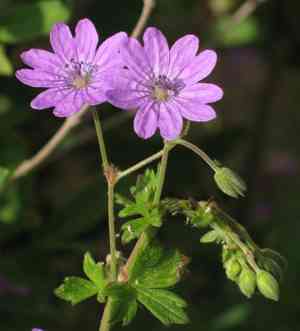
The optimal period for relocating hedgerow cranesbill is mid-spring, which guarantees vigorous development. Select a location offering dappled sunlight and soil that drains effectively. Should it be necessary, incorporate organic material to enhance the site, thereby enabling hedgerow cranesbill to flourish after transplantation.
What Preparations are Needed Before Transplanting Hedgerow Cranesbill?
What is the Ideal Time for Transplanting Hedgerow Cranesbill?
The prime window for relocating hedgerow cranesbill is mid-spring. Moving hedgerow cranesbill at this time allows root establishment prior to summer heat, promoting vigorous development. By selecting this moment for transplantation, you'll quickly enjoy hedgerow cranesbill's charming blossoms, as they'll have ample time to settle in their new spot. Your garden will thrive with the timely addition of hedgerow cranesbill.
How Much Space Should You Leave Between Hedgerow Cranesbill Plants?
For proper spacing when transplanting hedgerow cranesbill, aim for approximately 1-2 feet (30-60 cm) apart. This provides sufficient room for growth without resource competition. You'll be impressed by how they fill the area!
What is the Best Soil Mix for Hedgerow Cranesbill Transplanting?
The soil for hedgerow cranesbill should be well-drained and enriched with compost or a foundational fertilizer. This will boost soil fertility and aid in strong, healthy plant development. Happy gardening!
Where Should You Relocate Your Hedgerow Cranesbill?
The optimal spot for planting hedgerow cranesbill is an area with full sun or partial shade. This means locations where the plant can receive at least six hours of sunlight daily. Remember, sunlight is crucial for its growth!
What Equipments Should You Prepare Before Transplantation Hedgerow Cranesbill?
Gardening Gloves
These are essential for protecting your hands from potential injury when working with soil and plants.
Shovel or Spade
This tool is necessary for excavating the plant from its original site and re-planting it in the new location.
Trowel
This can be utilized for digging holes if you are handling smaller, younger plants.
Watering Can
Crucial for hydrating the plant both before and after its relocation.
Mulch
This will assist in maintaining moisture around the hedgerow cranesbill after it has been moved.
Gardening Fork
It can be employed to gently separate roots if they are circling the root ball, a common occurrence in potted plants.
Wheelbarrow
Useful for transporting larger hedgerow cranesbill plants and for removing excavated soil.
Pruning Shears
These will be handy if any plant parts require trimming before or after the move.
Tape Measure
To ensure correct spacing between individual hedgerow cranesbill plants during transplantation.
How Do You Remove Hedgerow Cranesbill from the Soil?
How Do You Remove Hedgerow Cranesbill from the Soil?
From Ground: Begin by thoroughly watering the hedgerow cranesbill plant so the surrounding soil is moist. Then, carefully dig around the plant's base using a shovel or spade, ensuring the root ball remains intact. Slowly work the spade beneath the root ball and gently lift the hedgerow cranesbill plant from its current spot.From Pot: Again, water the plant well. Then, hold the hedgerow cranesbill plant at its base and invert the pot. Gently tap the bottom to encourage the plant to slide out. If it resists, you might need to run a knife or gardening fork along the pot's inner edge to loosen the soil. Once loose, you can easily remove the plant with its attached soil and roots.From Seedling Tray: These plants are typically young and delicate. Moisten the compost, then gently separate individual hedgerow cranesbill plants using a dibber or pencil, holding onto a leaf. Pulling by the stem can cause damage to the plant. Once the seedling is out, handle it by the leaves to prevent any stem injury.
Step-by-Step Guide for Transplanting Hedgerow Cranesbill
Preparation
Once you've carefully extracted the hedgerow cranesbill plant from its original spot, excavate a hole in your prepared new bed. The hole should be sufficiently wide and deep to comfortably accommodate the hedgerow cranesbill plant's root ball.
Placement
Position the hedgerow cranesbill plant in the hole, ensuring the top of the root ball is level with the soil surface. Backfill the hole with soil, gently firming around the plant's base. Remember not to over-compact the soil, as this could hinder new root growth.
Watering
Thoroughly water the hedgerow cranesbill plant after planting, using a watering can to apply water gently and slowly.
Mulching
Spread an even layer of mulch around the plant's base, but keep it away from the stem. This will help retain soil moisture and deter weed growth near the hedgerow cranesbill.
Check
After the initial transplanting, observe the hedgerow cranesbill plant for a few days to ensure it's adapting well. Look for signs of wilting, which could indicate insufficient water or issues with root establishment.
How Do You Care For Hedgerow Cranesbill After Transplanting?
Watering
Space out watering sessions to keep the soil consistently moist but not waterlogged. These plants dislike soggy conditions!
Pruning
You might want to remove any dead or dying foliage to help the plant direct its energy towards new growth.
Protection
Shield the hedgerow cranesbill plant from harsh weather for a few days post-transplant. Consider using a plant cover for temporary safeguarding.
Monitoring
Regularly check for pests or diseases. Early detection makes them easier to manage or even prevent.
Patience
The hedgerow cranesbill may take some time to show new growth after being moved, but don't worry – this is entirely normal for this species!
Troubleshooting Common Issues with Hedgerow Cranesbill Transplantation.
What is the best season to transplant hedgerow cranesbill?
The optimal season for transplanting hedgerow cranesbill is during S2. This provides the plant ample time to establish before significant seasonal shifts.
How much space should I leave between hedgerow cranesbill plants?
You should maintain a spacing of approximately 1-2 feet (30-60 cm) between each hedgerow cranesbill plant. This ensures they have sufficient room to grow and spread.
Can I transplant hedgerow cranesbill from a pot to the ground?
Absolutely! Just ensure you transplant it during the correct season (S2) and provide enough space (1-2 feet or 30-60 cm) for it to flourish.
What kind of soil does hedgerow cranesbill prefer?
Hedgerow cranesbill favors well-draining soil with a neutral pH. It tolerates various soil types, but avoid extremely wet conditions for optimal growth.
Does hedgerow cranesbill survive well after transplanting?
Hedgerow cranesbill is quite resilient. If transplanted during S2 and given proper care, it should establish successfully and thrive in its new location.
My hedgerow cranesbill seems to wilt after transplanting, what could be the problem?
Wilting may be due to transplant shock. Ensure it's watered frequently but avoid waterlogging. Provide partial shade until it recovers.
What should I do if the leaves of my transplanted hedgerow cranesbill become yellow?
Yellow leaves might indicate overwatering or nutrient deficiency. Ensure your hedgerow cranesbill is in well-draining soil and consider using a slow-release fertilizer.
Why isn't my transplanted hedgerow cranesbill blooming?
Lack of blooms could be due to insufficient sunlight. Remember, hedgerow cranesbill prefers full sun to partial shade. It can also be caused by nutritional deficiencies.
Does hedgerow cranesbill need pruning after transplanting?
It's not mandatory, but light pruning can encourage more compact growth. Pruning also helps in removing any damaged parts after transplantation.
Should I fertilize hedgerow cranesbill immediately after transplanting?
No, wait until hedgerow cranesbill has begun showing signs of new growth before feeding. Fertilizing too early might risk burning the roots.



