How to Propagate Hedgerow cranesbill?
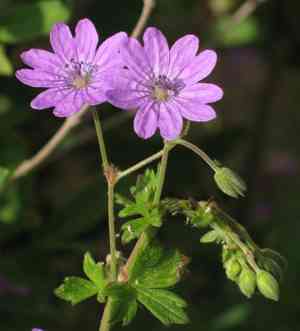
Geranium pratense flourishes when reproduced by seeding. For effective sprouting, plant seeds in a potting blend that drains well, with a light covering, and sustain steady dampness without oversaturation. Sprouting is enhanced by a spot receiving ample, diffused illumination. After young plants produce their initial true leaves, they can be moved to separate containers or their permanent garden spot, allowing sufficient room for expansion. Consistent monitoring of soil hydration and light conditions will foster robust growth.
What Is the Best Time To Propagate Hedgerow Cranesbill?
Propagation Type
Sowing
Propagation Season
Spring
What Tools Are Used in Hedgerow Cranesbill Propagation?
Seed trays
Seed trays are vital for the sowing technique of propagating hedgerow cranesbill. They offer a controlled setting for seed germination, allowing for consistent spacing and adequate soil depth. Their flat, broad design promotes uniform growth conditions and simplifies keeping the soil moist and properly aerated, both crucial for successful hedgerow cranesbill germination.
Potting mix
A premium potting mix is essential for sowing hedgerow cranesbill seeds. The mix should drain well yet retain sufficient moisture to support seed germination. A light, seed-starting potting mix often contains vermiculite or perlite, which improves aeration and moisture retention, thereby supporting the delicate roots of young hedgerow cranesbill seedlings.
Fine mist spray bottle
A fine mist spray bottle is utilized to gently water hedgerow cranesbill seeds without disturbing them. Overhead watering can be too forceful and may dislodge small seeds or impede their ability to germinate. The fine mist ensures the soil remains moist but not saturated, providing an optimal environment for seed germination.
Labels and markers
Labels and markers are important for organizing and identifying various batches of hedgerow cranesbill seeds, especially when propagating multiple varieties. Accurate labeling helps track germination rates and growth progress, which is vital for maintaining genetic diversity and selecting healthy, robust plants for further cultivation.
Grow lights (optional)
While hedgerow cranesbill can generally be propagated effectively using natural light, grow lights can be beneficial during periods of low sunlight or for indoor propagation. They ensure consistent light exposure, crucial for preventing seedlings from becoming leggy and weak. The use of grow lights can enhance the overall vigor and strength of emerging hedgerow cranesbill plants.
How to Propagate Hedgerow Cranesbill?
Propagation Type
Easy
How to Care for Your Newly Propagated Hedgerow Cranesbill?
How to Care for Your Newly Propagated Hedgerow Cranesbill?
After propagation, hedgerow cranesbill requires minimal attention. Ensure the plant is situated in a location with partial shade to full sun. Water consistently, allowing the soil to dry slightly between waterings, and fertilize sparingly during the growing season. Monitor for pests and diseases, and prune dead leaves and spent blooms to encourage more vigorous growth and flowering.
Common Mistakes to Avoid When Propagating Hedgerow Cranesbill
Overwatering
Excessive watering can lead to root rot and fungal diseases in hedgerow cranesbill, which thrive in well-drained soil conditions. Too much moisture suffocates the plant's roots, preventing them from absorbing essential nutrients and oxygen.
Deep Planting
Planting hedgerow cranesbill seeds or cuttings too deeply can hinder their ability to sprout or root effectively. This can cause the seeds to rot or the new cuttings to fail in establishing a robust root system, impeding growth and propagation.
Ignoring Light Requirements
Failing to provide hedgerow cranesbill with adequate light during propagation stages could result in weak, elongated growth. Insufficient light inhibits proper photosynthesis, which is crucial for the strength and development of young plants.
Tips For Propagating Hedgerow Cranesbill
Soil Preparation
Ensuring the soil is well-draining and loose is crucial for hedgerow cranesbill. Adding sand or grit can improve drainage and prevent waterlogging, creating an ideal environment for root growth and development.
Moderate Watering
Maintain a balance in watering practices. While hedgerow cranesbill requires moisture for initial growth, the soil should be kept moist but not wet. Monitoring the soil's moisture level frequently prevents the common issue of overwatering.
Proper Seeding Depth
Place hedgerow cranesbill seeds just below the soil surface — approximately 1 to 2 mm deep. This shallow planting ensures that the seeds receive enough light and warmth to germinate effectively, maximizing propagation success.



