How to Prune Hedgerow cranesbill?
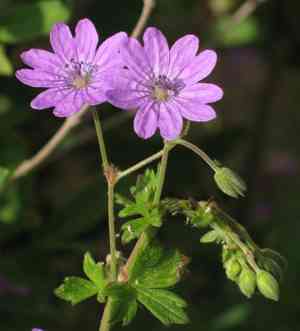
Geranium pratense, recognized by its prominent violet blossoms, thrives with consistent removal of spent flowers to foster continuous blooming. Following the initial flowering period in early summer, cut back the plant to encourage a subsequent flush of blooms. Furthermore, in either spring or autumn, shorten any excessively long stems to preserve its form and facilitate proper air movement. Performing these trimming tasks during these periods is consistent with Geranium pratense's natural development and safeguards new cuts from harm during colder months. This routine maintenance not only boosts floral production but also aids in controlling self-propagation, guaranteeing a robust display in your garden.
What Are the Benefits of Pruning Hedgerow Cranesbill?
What Are the Benefits of Pruning Hedgerow Cranesbill?
Trimming hedgerow cranesbill promotes abundant blooms, revitalizes its vigor, and maintains a desired shape. Strategic cutting directs energy towards flower production and supports a strong structure, ensuring an attractive display and a compact, thriving specimen.
What Is the Best Time for Pruning Hedgerow Cranesbill?
What Is the Best Time for Pruning Hedgerow Cranesbill?
Pruning in late spring or early summer aligns with hedgerow cranesbill's post-flowering phase, enabling gardeners to remove spent blossoms and encourage a second flush. Autumn pruning is suitable for eliminating dead or diseased foliage and preparing the plant for winter, fostering healthier growth the following season. It's crucial to avoid winter pruning when the plant is dormant to prevent harm and ensure robust spring development.
What Tools Do I Need to Prune Hedgerow Cranesbill?
Bypass Pruners
Perfect for making clean cuts through the soft, green stems of hedgerow cranesbill without causing unnecessary damage. Bypass pruners operate like scissors, with two blades passing each other, offering precise control.
Gardening Shears
Useful for trimming larger sections of hedgerow cranesbill overgrowth simultaneously. Shears are better for shaping the plant and cutting many stems in one snip.
Pruning Snips
Ideal for deadheading hedgerow cranesbill or for cutting small, delicate stems. Snips are accurate and cause minimal disruption to surrounding plant growth.
How to Prune Hedgerow Cranesbill
Clean tools
Before beginning, ensure all pruning tools are clean and sharp to prevent disease spread and make precise cuts on hedgerow cranesbill.
Remove diseased
Identify and carefully remove any diseased leaves from hedgerow cranesbill using precise pruning tools like garden shears or scissors. Dispose of them away from the garden to minimize infection risks.
Trim withered leaves
Cut off withered leaves close to the stem's base. This aids healthy growth and deters pests by removing decaying plant material.
Deadhead flowers
Deadhead withered flowers by pinching them off with your fingers or cutting them back to the nearest set of leaves to encourage new blooms on hedgerow cranesbill.
Maintenance prune
Perform a maintenance prune to shape hedgerow cranesbill and remove any excess growth or unwanted foliage to maintain the desired form and allow for air circulation and light penetration.
Common Pruning Mistakes with Hedgerow Cranesbill
Overpruning
Removing too much growth at once can stress hedgerow cranesbill, leading to weak development or reduced flowering. Aim to prune no more than one-third of the plant at a time.
Blunt tool usage
Using dull or unclean pruning tools can harm hedgerow cranesbill's stems, leading to uneven cuts and increased susceptibility to diseases.
Random cutting
Pruning without a strategy can result in a misshapen plant. Make deliberate cuts to maintain hedgerow cranesbill's natural form and encourage healthy growth.
Neglecting deadheading
Failing to remove spent blooms (deadheading) can prevent hedgerow cranesbill from producing new blossoms, as it might prioritize seed production instead.
Ignoring diseased material
Not removing or properly disposing of diseased plant material can lead to the spread of pathogens, harming hedgerow cranesbill and other nearby plants.
Common Pruning Tips for Hedgerow Cranesbill
Selective pruning
Target dead, damaged, or diseased stems for removal to improve hedgerow cranesbill's health and appearance. Make cuts just above a set of healthy leaves or a growth node.
Sharp tools
Ensure pruning tools are sharp and clean to make precise cuts that heal quickly, reducing stress and disease risks for hedgerow cranesbill.
Gradual pruning
Spread pruning activities over time, especially if shaping is required. This allows hedgerow cranesbill to recover between sessions and reduces shock.
Deadheading
Regularly remove faded blooms by pinching or cutting, just above the first leaf below the flower. This encourages hedgerow cranesbill to produce more flowers and extends the blooming period.
Disposal of clipings
Properly dispose of pruned plant material, especially if it shows signs of pests or disease, to avoid contaminating compost or affecting other plants.



