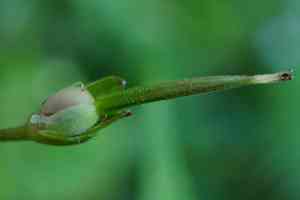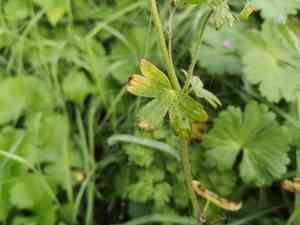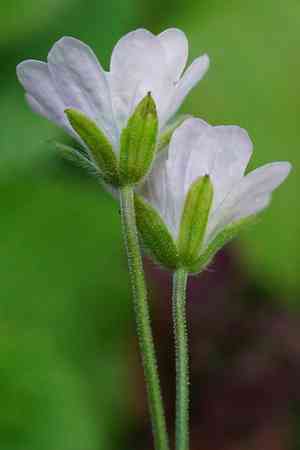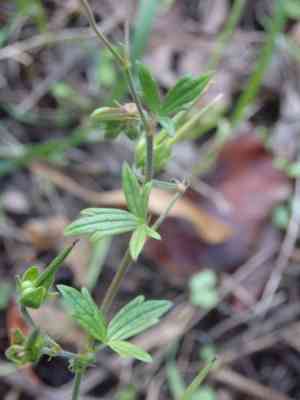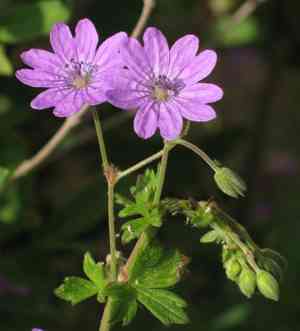
Hedgerow cranesbill(Geranium pyrenaicum)

Hedgerow cranesbill (Geranium pyrenaicum)

Also known as: Pyrenean cranesbill

Hedgerow cranesbill (Geranium pyrenaicum) is a flowering plant indigenous to mountainous regions in Europe and western Asia, including the Alps, Pyrenees, and Caucasus. It is also present in the British Isles, where it is regarded as an introduced species. This plant commonly thrives along roadsides and in hedgerows.

Attributes of Hedgerow cranesbill

Lifespan
Perennial, Biennial
Plant Type
Herb
Plant Height
20 cm to 40 cm
Spread
40 cm
Leaf Color
Green
Flower Size
2.5 cm
Flower Color
Pink White Purple Violet

ForwardPlant - Identify plants with a snap

Identify and diagnose plants, get toxicity alerts, and explore safety guides for all types of fungi.

Try for Free

Images of Hedgerow cranesbill

Hedgerow cranesbill(Geranium pyrenaicum)

Quickly Identify Hedgerow cranesbill

1
This plant can be identified by its rounded and lobed leaves, which typically have a soft, hairy texture. The flowers are usually violet or pink with five petals, and the plant itself tends to have a sprawling growth habit.

Scientific Classification of Hedgerow cranesbill

Phylum
Vascular plants
Class
Dicotyledons
Order
Geraniales
Family
Geranium
Genus
Geraniums
Species
Hedgerow cranesbill

Planting and Growing of Hedgerow cranesbill

Care Difficulty
Easy
Watering Schedule
Every 8 days
Sunlight Requirements
Partial sun
Sunshine Duration
6-8 hours
Ideal Temperature
60-75℉
Soil Type
Potting Mix, Peat Mix
Soil pH
6.5-7.5
Fertilizer Type
Balanced
Pruning Season
Spring, Summer
Pruning Area
Branches, Leaves
Pruning Frequency
2 times a year
Repotting Season
Spring
Pot Type
Plastic, Ceramic

water icon How to Water Hedgerow cranesbill?

For Geranium pyrenaicum, a deep watering approach works best. Soak the soil until water drains out the bottom of the pot, approximately 200ml per session. Ensure the topsoil is dry before watering again to prevent root rot.
What are the symptoms of an underwatered Hedgerow cranesbill? ›
What should I do if my Hedgerow cranesbill is not getting enough water? ›
What are the symptoms of an overwatered Hedgerow cranesbill? ›
How to save an overwatered Hedgerow cranesbill? ›

sunlight icon What Are the Sunlight Requirements for Hedgerow cranesbill?

Sunlight Requirements: Partial sun
Duration of light: 4-6 hours daily
Geranium pyrenaicum thrives in partial sun, meaning it benefits from a balanced exchange of sun and shade. This condition promotes optimal photosynthesis, leading to healthier foliage and robust blooms while preventing stress from harsh light.
Best light conditions? ›
Solutions for optimal lighting? ›
Effect of ideal lighting? ›
More About Sunlight Requirements Techniques→

temperature icon What Is the Ideal Temperature Range for Hedgerow cranesbill?

Ideal Temperature: 60 ~ 75℉
The ideal temperature range for Geranium pyrenaicum falls between 60°F and 75°F. This range provides the necessary warmth for optimal growth without stressing the plant. It allows the plant to photosynthesize efficiently and supports healthy foliage and flower development.

soil icon What Soil is Best for Hedgerow cranesbill?

Soil type: Loam, Sandy loam
Soil PH: 6.5 ~ 7.5
Geranium pyrenaicum thrives in well-draining soils that retain adequate moisture. This soil condition ensures that the plant has access to water during dry spells while preventing root rot. It is essential for the soil to be rich in organic matter, providing the plant with essential nutrients needed for vigorous growth and vibrant blooms. Amend the soil with compost for best results. Good soil aeration is crucial for healthy root development and microbial activity. Loamy soils offer the perfect balance of air pockets and structure, allowing roots to breathe and strengthen.

fertilize icon How to Fertilize Hedgerow cranesbill?

Fertilizer type: Balanced
For Geranium pyrenaicum, the appropriate fertilizer amount is relatively conservative. Over-fertilization can damage the plant. Use a balanced, water-soluble fertilizer diluted to half strength, about 1/2 tablespoon per gallon of water. For slow-release fertilizers, use around 1 to 1.5 tablespoons sprinkled evenly around the base of the plant.

prune icon How to Prune Hedgerow cranesbill?

Pruning Time: Spring, Summer, Autumn
Begin pruning Geranium pyrenaicum in early spring as new growth emerges. Tackle any dead or damaged stems first. Cut back the leggy growths to encourage bushiness. Throughout the growing season, routinely deadhead spent flowers and trim any leaves that appear to be overcrowded. This will redirect energy from the plant's base to the blossoms, providing a beautiful and cleaner-looking plant. More About Pruning Techniques→

propagate icon How to Propagate Hedgerow cranesbill plant?

Propagate Time: Spring, Early Summer
1
Start by filling the seed trays with potting mix and lightly water the soil. Scatter Geranium pyrenaicum seeds evenly onto the surface, covering them with a thin layer of soil. Maintain the trays in a warm, sunny location and keep the soil moist until germination.
2
With pruning shears, cut a healthy, non-flowering stem around 4-6 inches long. Remove the lower leaves to expose nodes and dip the cut end in rooting hormone. Plant the cutting in a pot with a well-draining mix, keeping it lightly moist.
3
In early spring or late autumn, carefully dig up the entire plant clump. Using a sharp tool, divide the root ball into separate clumps by cutting through the roots. Replant each division directly into prepared soil.
More About Propagating Techniques→

repot icon How to Repot Hedgerow cranesbill plant?

Repotting frequency: Every 1-2 years
1
Look for signs such as roots circling the pot or coming out of the drainage holes, or when the plant becomes too top-heavy and prone to tipping over. These are strong indicators that Geranium pyrenaicum needs a bigger home to stretch and thrive.
2
Opt for a pot that is 1-2 inches larger in diameter than the current one. Ensure it has adequate drainage holes. A slightly bigger home will prevent waterlogging and allow air to circulate, fostering healthier root growth and preventing rot.
3
Choose a soil mix that is well-draining with plenty of organic matter. This will ensure the roots get enough air and moisture without becoming waterlogged. A good mix will support robust plant growth and vibrant blooms.

ForwardPlant - Identify plants with a snap

Find the best spots for them to optimize their health, simply using your phone.

Try for Free

Toxicity of Hedgerow cranesbill

Is Hedgerow cranesbill toxic to humans?

Hedgerow cranesbill exhibits a low level of toxicity to humans, primarily through ingestion. The entire plant, encompassing leaves, stems, and flowers, contains the toxic compound geraniol. When ingested, geraniol may lead to a variety of symptoms, including gastrointestinal issues like nausea, vomiting, and diarrhea. Furthermore, contact with the plant can provoke dermatitis or skin irritation in some individuals. It is crucial for people, particularly those with children or pets, to be mindful of the potential dangers and to prevent any accidental consumption of hedgerow cranesbill.

Is Hedgerow cranesbill toxic to cat?

Hedgerow cranesbill is mildly toxic and can present a risk to cats if ingested accidentally. The entire plant contains harmful compounds, such as geraniol, meaning even minor nibbling could lead to physical distress for a cat. After being exposed to hedgerow cranesbill, a cat may show signs of illness, which could manifest as gastrointestinal issues or skin irritation. It is essential for cat owners to exercise caution and restrict access to this plant. If a cat comes into contact with hedgerow cranesbill, prompt veterinary intervention is crucial to address the cat's condition and ensure its health.

Is Hedgerow cranesbill toxic to dog?

The plant species known as hedgerow cranesbill is recognized as having a mild level of toxicity for dogs. If any part of this plant is ingested, dogs are at risk of poisoning because the entire plant is harmful. In cases of accidental ingestion, dogs may show signs of gastrointestinal distress or skin irritation. The toxic compound present in hedgerow cranesbill is Geraniol, which can lead to negative reactions in dogs. Should you suspect that your dog has consumed hedgerow cranesbill, it is crucial to obtain prompt veterinary assistance to guarantee appropriate treatment and management of the symptoms.

Identify toxic plants for your safety

Learn which plants are harmful to you and your pets, and make informed choices for a safer home!

Try for Free
WARNING
The judgment on toxicity and danger is for reference only. We DO NOT GUARANTEE any accuracy of such judgment. Therefore, you SHALL NOT rely on such judgment. It is IMPORTANT TO SEEK PROFESSIONAL ADVICE in advance when necessary.
More About Toxic Techniques→