How Much Sunlight Do Hedgerow cranesbill Need?
1
The Hedgerow cranesbill flourishes with a minimum of six hours of direct sun each day.
2
Hedgerow cranesbill exhibits signs of distress, such as burned foliage, when overexposed to sunlight.
3
Appropriate supplemental lighting offers an excellent substitute in dimly lit environments.
Optimal Illumination Requirements for Hedgerow Cranesbill
Direct Sun vs. Partial Shade
The Hedgerow cranesbill thrives in full sun, necessitating at least six hours of direct daily sunlight. This exposure promotes robust growth, leading to abundant foliage and vivid flowers. Nevertheless, this resilient plant can also endure partial shade. In such conditions, the Hedgerow cranesbill should still receive some sunlight, ideally during the morning or late afternoon, to support healthy development.
Seasonal Light Fluctuations
Seasonal shifts can significantly impact the light exposure your Hedgerow cranesbill receives. During spring and summer, ensure it benefits from ample sunlight. Conversely, the shorter days of autumn and winter might decrease light availability. To counter this, consider moving your plant to a brighter location or removing any shading obstructions. Remember, consistent light ensures your Hedgerow cranesbill stays healthy year-round.
Indicators of Adequate Sunlight Exposure for Hedgerow Cranesbill
Vibrant Leaf Color and Firmness
A properly situated Hedgerow cranesbill will exhibit lively, green leaves with a firm texture. Healthy leaf coloration and texture are reliable signs that your plant is receiving the correct amount of sunlight. If your plant is under or over-exposed to light, you might observe discoloration or wilting leaves, indicating a need to modify its placement.
Peak Bloom Production
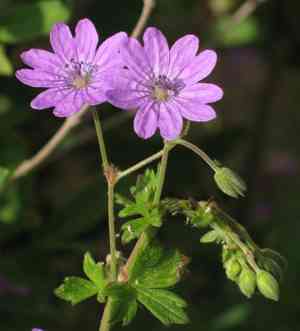
Flowering is another indicator of appropriate sunlight exposure. Under ideal light conditions, the Hedgerow cranesbill will produce a profusion of blossoms. These vibrant flowers not only enhance your garden's aesthetic but also signify that your plant is healthy and flourishing. If bloom production declines, it may be a signal to re-evaluate the light levels your plant is receiving.
Adjusting to Varying Sunlight Intensities
Recognizing Stress from Excessive Sun
Despite its resilience, the Hedgerow cranesbill can suffer from too much sunlight, especially during peak summer. Watch for signs of sun scorch, such as burned or bleached leaves. This stress suggests your plant requires some relief from intense sun. Providing partial shade, particularly during the hottest part of the day, can help alleviate these effects.
Relocating for Insufficient Sunlight
If your Hedgerow cranesbill doesn't get enough sunlight, it might become leggy or produce fewer flowers. To remedy this, move the plant to a brighter spot. If outdoor space is limited, you can place it near a window that receives ample sunlight. Ensure the plant gradually acclimates to the new light conditions to prevent shock.
Utilizing Artificial Illumination for Hedgerow Cranesbill
Choosing Appropriate Grow Lights
In dimly lit environments, artificial lighting can be vital for your Hedgerow cranesbill. When selecting grow lights, opt for full-spectrum varieties that mimic natural sunlight. LED grow lights are energy-efficient and provide the necessary wavelengths for photosynthesis, making them a favored choice among plant enthusiasts.
Positioning and Duration of Artificial Light
Correct placement and duration are essential when using artificial light. Position your grow lights approximately 6-12 inches (15-30 cm) above the plant to ensure uniform light distribution. Aim for 12-16 hours of light daily, replicating natural day lengths. Monitor your plant's response and adjust the duration or distance of the lights as needed to achieve optimal growth.



