How to Transplant Bicknell's cranesbill?
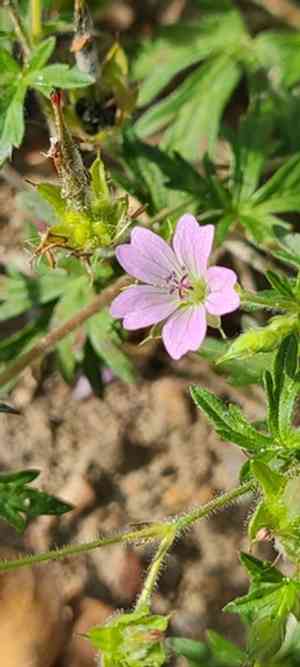
The ideal period for transplanting bicknell's cranesbill spans from early spring to the beginning of summer, facilitating strong root development. Choose a location featuring soil that drains effectively, receiving either partial or full sunlight, and provide regular hydration after moving the plant for optimal outcomes.
What Preparations are Needed Before Transplanting Bicknell's Cranesbill?
What is the Ideal Time for Transplanting Bicknell's Cranesbill?
Choose the period of rejuvenation following the final frost, when nature reawakens – typically from early to late spring – for transplanting bicknell's cranesbill. During this time, cooler temperatures and increased precipitation assist bicknell's cranesbill in developing robust roots prior to the strain of summer heat. Moving bicknell's cranesbill during this revival window guarantees it benefits from optimal growth conditions, leading to a more vigorous and healthy specimen.
How Much Space Should You Leave Between Bicknell's Cranesbill Plants?
Greetings, gardening enthusiast! When preparing to rehome your bicknell's cranesbill in the garden, ensure they have adequate room. Aim for a comfortable distance of 12-18 inches (30-46 cm) between them. This will provide ample space for them to thrive and display their beauty!
What is the Best Soil Mix for Bicknell's Cranesbill Transplanting?
For your bicknell's cranesbill, well-drained soil is key to its well-being! Incorporate some organic compost to enrich the ground. A mild, balanced slow-release fertilizer will provide an excellent start. Remember, bicknell's cranesbill appreciates a nourishing environment to spread its roots.
Where Should You Relocate Your Bicknell's Cranesbill?
Your bicknell's cranesbill will thrive in a location where the sun appears intermittently. Partial sunlight is ideal, so seek out a spot that receives sun but also offers some shade throughout the day. This will be their happy place where they can absorb rays without getting scorched!
What Equipments Should You Prepare Before Transplantation Bicknell's Cranesbill?
Gardening Gloves
To safeguard your hands while handling soil and plants.
Shovel or Spade
For excavating the plant and preparing a new planting site.
Watering Can or Hose
For hydrating the plant before and after relocation.
Garden Trowel
For managing smaller plants or refining the planting hole.
Pruning Shears
To trim any damaged roots or foliage.
Wheelbarrow or Garden Cart
To transport the plant and soil.
Measuring Tape
To correctly space out plants during transplanting.
How Do You Remove Bicknell's Cranesbill from the Soil?
How Do You Remove Bicknell's Cranesbill from the Soil?
From Ground: First, moisten the bicknell's cranesbill plant to dampen the soil. Next, excavate a wide circle around the plant using a shovel or spade, ensuring the plant's root ball remains intact. Carefully work the spade beneath the root ball to lift the plant from its original spot.From Pot: Begin by watering the bicknell's cranesbill plant before removal to facilitate root ball extraction. Tilt the pot sideways and tap the base to loosen the plant. Gently pull the plant by its base, not the stem, to prevent damage.From Seedling Tray: Lightly water the seedlings. Use a garden trowel or a fork to carefully lift each bicknell's cranesbill plant from its cell, taking care to keep the root ball and as much soil as possible intact. Handle the plant by its leaves rather than its more delicate stem.
Step-by-Step Guide for Transplanting Bicknell's Cranesbill
Prepare the New Location
Ready the new site by clearing weeds and debris, and loosening the soil to welcome the roots of your bicknell's cranesbill.
Digging the Hole
Excavate a hole twice the width of the root ball of your bicknell's cranesbill plant and equally deep to allow ample room for root expansion.
Plant Placement
Position the bicknell's cranesbill plant in the center of the hole, ensuring the top of the root ball is level with the surrounding soil surface.
Filling the Hole
Gently backfill the hole with the excavated soil, lightly pressing around the roots to stabilize the bicknell's cranesbill plant.
Watering
Water immediately after transplanting to help settle the soil around the root ball and eliminate any air pockets.
Mulching
Apply a layer of mulch around the base of the bicknell's cranesbill plant to retain moisture and regulate soil temperature.
How Do You Care For Bicknell's Cranesbill After Transplanting?
Watering
Keep the soil around the bicknell's cranesbill consistently moist for the initial weeks post-transplant to aid in establishing strong roots.
Monitoring Plant Health
Regularly inspect your bicknell's cranesbill for indications of stress, such as wilting or discoloration, and take appropriate corrective measures.
Weed Control
Maintain the area around your bicknell's cranesbill free of weeds that would compete for nutrients and water.
Staking
If your bicknell's cranesbill plant is tall or in a windy location, provide support with a stake to prevent damage.
Troubleshooting Common Issues with Bicknell's Cranesbill Transplantation.
When's the best time to transplant bicknell's cranesbill?
The optimal period for transplanting bicknell's cranesbill is from early to late spring, when the soil warms.
How far apart should I plant bicknell's cranesbill?
Space bicknell's cranesbill approximately 12-18 inches (30-45 cm) apart to ensure sufficient room for growth.
Why are my transplanted bicknell's cranesbills wilting?
Wilting may be due to shock. Ensure thorough watering and maintain moist soil conditions.
What's the ideal soil for transplanting bicknell's cranesbill?
Bicknell's cranesbill thrives in well-draining soil rich in organic matter with a pH of 5.5 to 7.
How deep should I plant bicknell's cranesbill?
Transplant bicknell's cranesbill at the same depth it grew in its previous container to avoid burying the crown.
Can I transplant bicknell's cranesbill on a hot day?
It's preferable to transplant bicknell's cranesbill on a cooler, overcast day to minimize heat stress and evaporation.
Why isn't my bicknell's cranesbill growing after transplant?
Growth delay could stem from root trauma. Ensure gentle handling and proper watering for recovery.
How much should I water bicknell's cranesbill after transplanting?
Water bicknell's cranesbill generously after transplanting to settle the soil and then maintain consistent moisture.
Should I fertilize bicknell's cranesbill right after transplanting?
Wait 2-4 weeks before fertilizing to allow bicknell's cranesbill to acclimate and prevent root burn.
What signs of transplant success should I expect in bicknell's cranesbill?
Look for new growth, stabilized plants, and the development of vibrant foliage as indicators.



