How to Prune Bicknell's cranesbill?
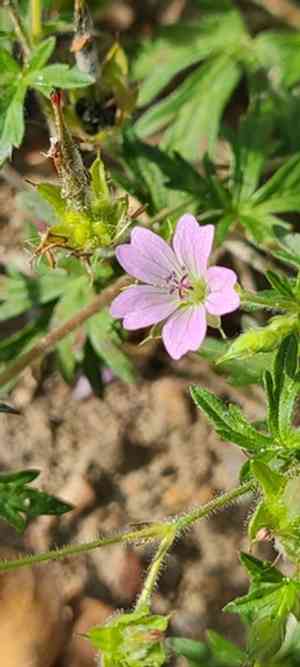
A perennial plant featuring fragile blooms and divided foliage, Bicknell's cranesbill flourishes with little upkeep. To ensure robust development, routinely remove spent or wilting flowers to stimulate fresh blooms. In spring, cut back the plant to foster a denser form, and remove faded flowers throughout the summer months. During autumn, shorten any elongated or excessively grown stems to preserve its structure. This trimming practice improves air movement, discourages unwanted organisms, and guarantees strong development for the subsequent period.
What Are the Advantages of Trimming Bicknell's Cranesbill?
What Are the Advantages of Trimming Bicknell's Cranesbill?
Trimming bicknell's cranesbill promotes more robust development while preserving its desired shape. By carefully removing parts of bicknell's cranesbill, gardeners can foster strong, structured growth, improving its overall health and visual appeal.
When Is the Optimal Time to Prune Bicknell's Cranesbill?
When Is the Optimal Time to Prune Bicknell's Cranesbill?
Pruning bicknell's cranesbill in late spring or early summer is ideal as it allows for the removal of dead or damaged foliage from winter, minimizing disruption to the plant's active growth. Since growth typically accelerates in spring, cuts heal quickly, and the plant can direct energy to new development. Furthermore, pruning after the initial growth spurt but before summer helps maintain its shape throughout the growing season. This timing also avoids disturbing the plant in fall when it prepares for dormancy. Trimming during these optimal periods encourages vigorous growth and preserves the health and beauty of bicknell's cranesbill.
What Tools Are Necessary to Prune Bicknell's Cranesbill?
Hand pruners or secateurs
Essential for making clean cuts on bicknell's cranesbill's stems during routine maintenance, providing precise control over the plant's form and vitality.
Gloves
Bicknell's cranesbill lacks large thorns, but wearing gloves can shield the gardener's hands from potential skin irritants and ensure a better grip on pruning tools.
Pruning shears
Useful for shaping bicknell's cranesbill and cutting back any overgrown sections. Their sharp blades can manage slightly thicker stems that hand pruners might struggle with.
Garden scissors
Perfect for deadheading spent flowers on bicknell's cranesbill and trimming small, delicate stems. These scissors can access tight spots and make precise snips without harming nearby plants or desired blooms.
Pruning saw
Not typically needed for bicknell's cranesbill, but a small pruning saw can be useful for cutting through any older, woodier stems that have become too thick for pruners or shears, though this is uncommon.
How to Prune Bicknell's Cranesbill
Select Tools
Choose sharp, clean pruning shears or scissors for cutting. Sanitize the tools before use to prevent disease transmission to bicknell's cranesbill.
Identify Trim Parts
Examine bicknell's cranesbill to find withered leaves. These are usually discolored or dry.
Cut Withered Leaves
Snip the withered leaves at their base where they meet the stem or the healthy part of the leaf, taking care not to harm new growth or the stem of bicknell's cranesbill.
Dispose Trimmed Material
Remove and discard all trimmed material away from bicknell's cranesbill to lessen the risk of disease and pest infestation.
Clean Tools Post Pruning
After pruning bicknell's cranesbill, clean and sterilize the tools again to prevent the spread of any potential pathogens to other plants.
Common Pruning Errors with Bicknell's Cranesbill
Over-Pruning
Removing too much foliage at once can weaken bicknell's cranesbill, hindering its ability to recover and grow properly. Aim to prune no more than one-third of the plant in any single session.
Improper Tool Use
Using dull or dirty pruning tools can damage bicknell's cranesbill's stems and leaves, leading to disease and pests. Always use sharp, clean pruning shears.
Neglecting Deadhead
Failing to regularly remove spent flowers can prevent bicknell's cranesbill from producing new blooms. Deadheading encourages further flowering.
Pruning Healthy Growth
Pruning too much healthy growth can reduce the number of blooms. Prune selectively, targeting old or diseased growth over healthy stems.
Ignoring Plant Shape
Pruning without considering the natural shape of bicknell's cranesbill can result in an unbalanced or unnatural appearance. Trim with the plant's form in mind.
Helpful Pruning Advice for Bicknell's Cranesbill
Selective Pruning
Cut back overgrown stems carefully to maintain the size and shape of bicknell's cranesbill, improving both its appearance and air circulation.
Disease Prevention
Remove any diseased or damaged parts promptly to prevent the spread of pests and disease. Make clean cuts just above healthy leaf nodes.
Promote New Growth
Pinching off the tips of young stems can encourage bushier growth and more flowers. Use your fingers or pruning shears to gently pinch.
Post-Bloom Pruning
After bicknell's cranesbill has finished blooming, cut back flowering stems to encourage a second flush of flowers and to prevent self-sowing if not desired.
Thinning
Thin out crowded areas by removing some stems at their base to improve light penetration and air flow, reducing the potential for fungal diseases.



