How to Propagate Bicknell's cranesbill?
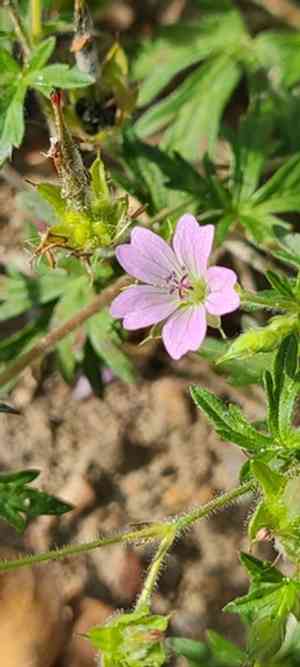
Bicknell's cranesbill is a perennial species that can be successfully multiplied by seeding. To achieve the best development, select a growing medium with good drainage and guarantee the seeds receive sufficient sunlight. It is advisable to sow directly into cultivated garden plots once the danger of frost has subsided, as bicknell's cranesbill exhibits superior germination when undisturbed. Preserve steady hydration levels, yet prevent excessive saturation to avert decay of seeds and roots. Adhering diligently to these requirements will contribute to effective propagation.
Optimal Period for Bicknell's Cranesbill Propagation
Propagation Method
Seeding
Propagation Period
Spring
Tools Required for Bicknell's Cranesbill Propagation
Seed trays
Seed trays are vital for germinating bicknell's cranesbill seeds in a controlled setting. They enable even seed distribution, which is key for achieving high germination rates. Their shallow depth is ideal for the small seed size of bicknell's cranesbill, simplifying moisture and temperature managementâcritical factors for successful germination.
Fine-grit vermiculite
Fine-grit vermiculite is suggested as a top layer in seed trays when planting bicknell's cranesbill seeds. Vermiculite aids in retaining moisture around the seeds, creating a humid microenvironment essential for germination. Its fine texture benefits bicknell's cranesbill, allowing light, necessary for these small seeds to germinate, to pass through while still protecting them from external disturbances like heavy rain or pests.
Spray bottle
A spray bottle is used to dampen the soil in seed trays without dislodging the tiny bicknell's cranesbill seeds. This tool allows for gentle irrigation, crucial to prevent seed disturbance or burial, which could impact germination rates. Precise control over water delivery helps maintain the ideal moisture level needed for bicknell's cranesbill seeds to sprout successfully.
Plastic dome or cling film
Covering seed trays with a plastic dome or cling film creates a mini-greenhouse effect beneficial for bicknell's cranesbill. This controlled environment maintains high humidity and stable temperatures, both vital for bicknell's cranesbill seed germination. The clear material also ensures ample light exposure while shielding the seeds from adverse external conditions during their delicate germination phase.
Label and marker
Using labels and markers ensures accurate identification and tracking of bicknell's cranesbill throughout its propagation stages. This practice is essential in environments where multiple species are grown simultaneously. It prevents confusion and assists in systematic monitoring of growth progress and germination success.
How to Propagate Bicknell's Cranesbill?
Propagation Type
Simple
Caring for Your Newly Propagated Bicknell's Cranesbill
Caring for Your Newly Propagated Bicknell's Cranesbill
Post-propagation, gradually introduce young bicknell's cranesbill plants to their permanent growing conditions. This involves acclimating them to outdoor temperatures and light if they began indoors. Plant them in a location with full sun to partial shade in well-draining soil. Water consistently, especially during the initial season, to establish a robust root system. Apply a balanced, slow-release fertilizer at the start of the growing season to encourage healthy development.
Common Errors to Avoid When Propagating Bicknell's Cranesbill
Overwatering
Excessive water can lead to root rot and fungal diseases in bicknell's cranesbill. This plant prefers well-drained soil, and overwatering can suffocate its roots, hindering its growth and propagation.
Deep Planting
Planting seeds or cuttings too deeply can impede germination and root development in bicknell's cranesbill. Bicknell's cranesbill requires light for optimal seed germination, and deep planting can prevent the seeds from receiving the necessary light.
Ignoring Soil Quality
Using unsuitable or poor soil types can negatively impact the rooting success of bicknell's cranesbill. This species thrives in soil with good drainage and some organic content, making the choice of soil crucial for effective propagation.
Tips For Propagating Bicknell's Cranesbill
Appropriate Watering
Provide bicknell's cranesbill with consistent, moderate watering to keep the soil moist but not waterlogged. Ensuring adequate drainage in the pot or planting bed also helps prevent water-related issues.
Surface Sowing
For successful seed propagation, sow the seeds of bicknell's cranesbill on the soil surface. This exposure to light is critical for germination, promoting efficient and effective sprouting.
Soil Composition
Utilize a soil mix that offers both drainage and fertility. Incorporating organic materials, such as compost or peat moss, into the planting medium can facilitate healthier root development and enhance propagation success.



