The Bicknell's cranesbill Plant Advantage: Maximizing Home and Office Appeal and Wellness
1
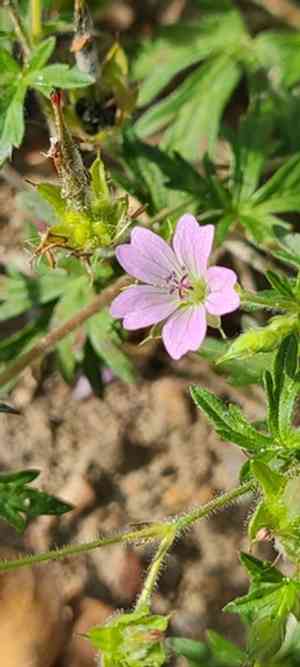
Bicknell's cranesbill flourishes in diverse soil conditions, making it adaptable for various garden settings.
2
The vivid flowers of Bicknell's cranesbill draw in helpful pollinators such as bees and butterflies.
3
Bicknell's cranesbill possesses historical applications spanning from decorative uses to possible health advantages.
Why Cultivate Bicknell's Cranesbill?
Versatility in Soil Types
Bicknell's cranesbill shows great flexibility, flourishing across diverse soil conditions. Regardless if your garden soil is sandy, loamy, or clay-based, this plant can take root and thrive. Its capacity to adapt to varied environments makes it an excellent option for gardeners facing less-than-ideal soil.
Luring Beneficial Pollinators
A key attribute of Bicknell's cranesbill is its capacity to draw in various pollinators. Its vibrant and colorful blossoms are especially attractive to bees and butterflies. These insects play a vital role in pollinating other plants in your garden, fostering biodiversity and helping your garden prosper.
Effortless Care and Resilience
Bicknell's cranesbill is recognized as a robust and low-maintenance plant. Once established, it demands minimal attention, making it perfect for gardeners desiring beautiful flowers without extensive upkeep. Its resistance to pests and diseases further enhances its easy-care appeal.
Ecological Advantages of Bicknell's Cranesbill
Enhancing Soil Quality
Beyond its aesthetic appeal, Bicknell's cranesbill positively impacts soil quality. Its root system aids in improving soil structure and increasing organic matter. This, in turn, boosts water retention and nutrient availability, making the soil more fertile for other plants.
Supporting Local Ecosystems
By attracting pollinators and providing a home for various insects, Bicknell's cranesbill contributes to the health of local ecosystems. It supports the food web by serving as a food source for herbivores and indirectly benefiting predators. Planting Bicknell's cranesbill can help create a balanced and flourishing garden ecosystem.
Preventing Erosion
The root system of Bicknell's cranesbill is particularly effective at stabilizing soil, making it an excellent choice for areas prone to erosion. By planting Bicknell's cranesbill on slopes or embankments, you can help prevent soil loss, protecting your landscape and promoting sustainable gardening practices.
Traditional Applications and Cultural Significance
Decorative Uses
Bicknell's cranesbill has long been valued for its ornamental qualities. Its vivid and abundant blooms make it a popular choice for flower beds, borders, and rock gardens. Whether used as ground cover or a focal point, Bicknell's cranesbill adds natural beauty to any landscape.
Crafting and Embellishment Uses
Beyond its garden role, Bicknell's cranesbill can be utilized in various crafting and decorative ways. The flowers and leaves can be dried for potpourri, wreaths, and other decorative items, allowing you to enjoy the plant's beauty year-round. Its versatility makes it a favorite among crafters and DIY enthusiasts.
Environmental Learning
Bicknell's cranesbill is often used in educational settings to teach students about plant biology, ecology, and the importance of pollinators. Its ease of growth and visually appealing flowers make it an excellent case study for classrooms and educational gardens.



