How to Transplant Chañar?
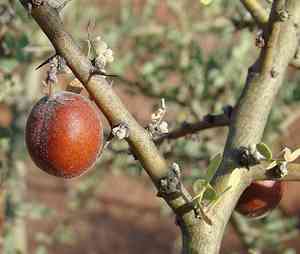
For chañar, the ideal period for relocation is from late spring to early autumn, providing a combination of moderate warmth and sufficient development time. Select locations that receive abundant sunlight and have good drainage. Should it be required, carefully separate the root mass to facilitate its spread.
What Preparations are Needed Before Transplanting Chañar?
What is the Ideal Time for Transplanting Chañar?
The most favorable period for relocating chañar is during the transition from late spring to early summer. Moving it at this time aligns with chañar's natural growth cycle, promoting strong root development and reducing stress. This gentle seasonal shift ensures a successful adjustment for chañar, leading to a healthy, vigorous plant in its new spot. Choosing this timing encourages robust growth, increasing chañar's chances of flourishing in its fresh soil environment.
How Much Space Should You Leave Between Chañar Plants?
When moving chañar, allow ample room between each specimen. Ideally, maintain a distance of approximately 15-20 feet or 4.5-6 meters. This provides chañar sufficient space to expand and thrive without competition.
What is the Best Soil Mix for Chañar Transplanting?
For chañar, prepare the ground with a soil blend rich in organic material. Aim for well-draining soil, such as a loamy type. Before planting, incorporate a balanced, slow-release fertilizer to give chañar a strong start.
Where Should You Relocate Your Chañar?
Select a sunny location in your garden, as chañar thrives in sunlight. Ensure it will receive at least 6 hours of direct sun daily. This optimal spot will help chañar establish and flourish quickly.
What Equipments Should You Prepare Before Transplantation Chañar?
Gardening Gloves
To safeguard your hands while handling soil and plants.
Shovel or Spade
For excavating the plant and preparing a new planting site.
Pruning Shears
To trim any damaged roots or branches prior to relocation.
Wheelbarrow or Garden Cart
To safely move the chañar to its new position.
Watering Can or Hose
To hydrate the chañar before and after its transfer.
Mulch
To help maintain soil moisture and regulate soil temperature after transplanting.
How Do You Remove Chañar from the Soil?
How Do You Remove Chañar from the Soil?
From Ground: First, water the chañar plant to moisten the soil. Next, dig a wide trench around the plant using a shovel or spade, ensuring the plant's root ball remains intact. Carefully work the spade beneath the root ball to lift the plant from its original spot.From Pot: Water the chañar thoroughly. Turn the pot on its side and gently tap it to loosen the soil. Hold the base of the chañar, and carefully extract the plant. You might need to lay the pot down and roll it to ease the plant out without harming the roots.From Seedling Tray: Dampen the soil in the tray to facilitate removal. Use a small tool or your fingers to gently lift the chañar from its compartment, taking care not to damage the delicate root systems.
Step-by-Step Guide for Transplanting Chañar
Preparation
Water your chañar several hours before moving it to ensure the roots are well-hydrated.
Digging the New Hole
Excavate a hole twice as wide as the root ball and as deep as its height. This provides chañar's roots ample room to expand.
Root Examination
Before placing the chañar into the new hole, inspect the root ball for any signs of circling or girdling roots and carefully prune them with your shears.
Plant Transfer
Gently position the chañar in the center of the new hole, ensuring the top of the root ball is level with the surrounding soil surface.
Fill In
Carefully backfill the hole with soil, lightly compacting it to eliminate air pockets. Avoid placing soil directly on top of the root ball.
Watering-in
Water the chañar thoroughly to settle the soil around the root ball and to hydrate the roots.
Mulching
Apply a layer of mulch around the base of the chañar to conserve moisture and protect the roots from temperature extremes.
How Do You Care For Chañar After Transplanting?
Watering
Water the chañar frequently during the initial weeks after transplanting, gradually reducing to less frequent but consistent watering as the plant establishes itself.
Mulch
Maintain the mulch layer to foster a healthy environment around the chañar's root system.
Pruning
Remove any dead or damaged branches to encourage vigorous growth and shape the chañar plant.
Monitoring
Observe for indications of transplant shock, such as wilting or yellowing leaves, and take necessary steps to alleviate stress.
Troubleshooting Common Issues with Chañar Transplantation.
What's the best time of year to transplant chañar?
The optimal period to move chañar is from late spring to mid-summer, when growing conditions are ideal.
How far apart should I space chañar when transplanting?
Ensure chañar is planted at intervals of 15-20 feet (4.5-6 meters) to provide each plant sufficient room for growth.
Why is my chañar wilting post-transplant?
Wilting can be a sign of shock. Ensure careful handling during relocation, provide adequate water, and offer initial shade if needed.
What soil conditions favor chañar transplant success?
Well-drained, fertile soil is most suitable. Incorporate compost to enhance soil quality before transplanting chañar.
How often should I water chañar after transplanting?
Water chañar generously immediately after transplanting and then keep the soil moist, especially during dry periods, for the first season.
Should I prune chañar when transplanting?
Light pruning can help lessen transplant stress and stimulate new growth, but avoid heavy trimming which could harm the plant.
How deep should the hole be for transplanting chañar?
The hole should be twice the width and the same depth as the root ball to allow for proper root expansion.
Can I transplant chañar on a hot day?
It's best to transplant chañar on a cooler, overcast day to reduce stress and prevent rapid water evaporation.
How do I protect chañar from transplanting shock?
Gradually acclimate chañar to its new location by providing shade and monitoring its water needs as the plant establishes itself.
Is there a specific technique for removing chañar from its current location?
Carefully excavate a substantial amount of soil around the root ball to prevent damaging roots when lifting chañar.



