The Chañar Plant Advantage: Maximizing Home and Office Appeal and Wellness
1
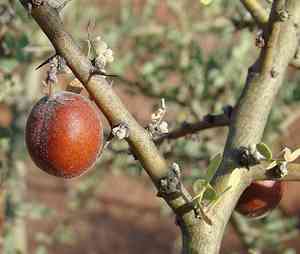
Chañar yields nourishing, consumable fruits packed with essential vitamins.
2
Chañar trees flourish in dry and semi-dry areas, supporting ecological balance.
3
Chañar holds historical applications in traditional remedies and is esteemed for its cultural importance.
Nutritional Advantages of Chañar
Are Chañar Fruits Nutritious?
A prominent characteristic of Chañar is the dietary worth of its fruit. These fruits are not only edible but also rich in vital vitamins like A and C. These vitamins are key for a robust immune system, better eyesight, and healthy skin. Furthermore, the fruits contain a good amount of dietary fiber, which aids digestion and promotes a healthy gut.
Ways to Include Chañar Fruits in Your Diet?
Incorporating Chañar fruits into your diet can be simple and beneficial. They can be consumed fresh or dried and are frequently used in preparing various traditional sweets and drinks. Another common method to enjoy Chañar fruits is by making jams and syrups, which can serve as tasty and nutritious alternatives to typical spreads. Making Chañar a regular part of your diet can significantly boost your nutrient intake and overall health.
Environmental Contributions of Chañar
Why is Chañar Important for Dry Regions?
One of Chañar's most remarkable qualities is its capacity to flourish in arid and semi-arid conditions. This makes it a highly valuable plant in areas experiencing water scarcity. Chañar's deep root system allows it to efficiently access deep underground water sources, enabling its survival and growth in harsh climates. By planting more Chañar trees in dry areas, we can combat desertification and improve soil health.
Can Chañar Be Utilized for Reforestation Efforts?
Absolutely! Chañar plays a significant role in reforestation initiatives, especially in areas prone to degradation and erosion. Its resilience and adaptability make it an excellent choice for restoring damaged lands. Planting Chañar trees helps stabilize the soil, reduce erosion, and enhance the overall quality of the land. This, in turn, supports local biodiversity and improves the ecosystem's health.
Cultural and Traditional Uses of Chañar
What Are the Traditional Applications of Chañar?
The Chañar plant holds a special place in the cultural heritage of various indigenous communities. Its fruits, bark, and leaves have been used for centuries in traditional practices. For instance, the fruits are often used in rituals and as offerings during cultural ceremonies. Additionally, various parts of the plant are employed in crafting traditional items and artifacts, highlighting the plant's significant cultural value.
How Does Chañar Contribute to Folk Medicine?
In many cultures, Chañar is revered for its healing properties. While we won't discuss specific medicinal claims, it's notable that the plant has been historically used in various folk remedies. This underscores its importance and the trust local populations have placed in Chañar for their well-being. These traditional practices emphasize the importance of preserving and understanding indigenous knowledge about the plant.
Ecological Advantages and Sustainable Practices
How Does Chañar Enhance Biodiversity?
Chañar plays a crucial role in supporting local biodiversity. Its blossoms attract a variety of pollinators, including bees and butterflies, which are essential for maintaining ecosystem health. Chañar fruits also serve as a food source for various birds and animals, thus contributing to the food chain. By planting Chañar, we can foster a more balanced and thriving ecosystem.
What Are the Sustainable Methods Involving Chañar?
Sustainable practices involving Chañar include agroforestry and permaculture. The plant's ability to improve soil quality and provide shade makes it a valuable addition to agricultural systems. By integrating Chañar into agroforestry practices, farmers can enhance crop yields, reduce soil erosion, and create a more resilient agricultural system. These sustainable practices not only benefit the environment but also support local communities by providing them with essential resources.



